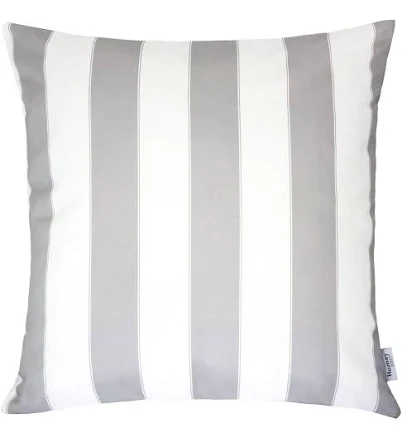
· Outdoor Furniture Cushion Protectants
Horizon Stripe Outdoor Pillow
Outdoor pillow likely treated for durability; no brand PFAS disclosure.
Outdoor pillows typically use water-repellent coating coatings, often PFAS-based. The brand provides no public PFAS information, so seek third-party testing or PFAS-free alternatives.
The better-graded swap
Blazing Needles
74 in by 19 in Outdoor Solid Polyester Tufted Chaise Lounge Cushion
85/100 safety
Same rubric that flunked this product. The swap earned Excellent.
Still want this one anyway? Check the price on Amazon. We’d swap it.
Material
polyester blend with stain/water-resistant treatment
Brand disclosure
Brand is silent on PFAS
Lab data
No public lab test
You may also be interested in
Top-graded picks in the categories readers replace first, every one scored on the same rubric.

- polypropylene filter housing, carbon/sediment cartridge
- We found no PFAS statement from the brand
- Bacterial growth in spent cartridges
3 hazards checked on this product, all on its full breakdown.

Aquasure
Premier Series 75 GPD Under Sink Reverse Osmosis Water Filtration System
- RO membrane, carbon filters, stainless steel housing
- We found no PFAS statement from the brand
- Bacterial and microbial growth in housing and filters
4 hazards checked on this product, all on its full breakdown.

Avocado
Vegan Mattress
- organic cotton, natural latex, coconut coir, recycled steel coils
- The brand calls it PFAS-free, which we have not verified
- Heavy metals
2 hazards checked on this product, all on its full breakdown.
What Horizon Stripe Outdoor Pillow is made of, ingredients and materials
The Horizon Stripe pillow is a polyester blend, meaning synthetic fibers derived from petroleum that are inherently hydrophobic. The 'stain/water-resistant treatment' applied to outdoor pillows typically involves water-repellent coating (water-repellent coating) coatings, historically PFAS-based (perfluorinated compounds), which bond to the fabric to repel moisture and UV damage over years of outdoor exposure. Polyester itself does not leach chemicals into skin under normal use, but the applied treatments are where chemical risk concentrates. The specific treatment chemistry is not disclosed by Pier 1, which is standard practice in this category but limits transparency.
What’s concerning
Category baseline
The starting point for this type of product, before anything specific to this product is counted.
No PFAS disclosure
No public statement from the brand about PFAS in this product.
Waterproof / stain-resistant treatment
Water-repellent coating treatments have historically used PFAS.
PFAS
Outdoor textiles are routinely treated with PFAS-based durable coatings for water and stain resistance. Pier 1 does not disclose the water-repellent coating chemistry, so PFAS presence cannot be ruled out and is statistically probable. Long-term environmental shedding and disposal pose secondary exposure routes rather than direct skin contact.
Source, ATSDR ↗Volatile organic compounds (VOCs) and off-gassing
Polyester blend textiles and applied treatments may off-gas formaldehyde-based resins, solvents, or coupling agents used in dyeing and finishing. New pillows typically have noticeable odor; airing in sunlight mitigates this. Concentrations in typical home use are unlikely to cause acute harm but can irritate sensitive individuals.
Heavy metals
The 'Stripe' pattern likely requires multiple synthetic dyes to achieve color and pattern contrast. Polyester dyeing routinely uses azo dyes and metal-complex dyes; some azo colorants can degrade under UV exposure and release aromatic amines. Pier 1 does not certify dyes to OEKO-TEX or similar standards, so composition is opaque.
Source, FDA ↗Coating degradation and microplastic shedding
The water-repellent treatment will wear away over 2-5 years of outdoor UV exposure and use. As the coating flakes or erodes, microparticles of treated polyester may shed into soil or water. The extent depends on maintenance and storage practices but is inherent to outdoor textiles.
What’s reassuring
Flame retardants
Outdoor pillows are not typically treated with flame retardants unless marketed as such, and no such claim appears on this product. Polyester is inherently slow-burning due to its melting point. No evidence suggests Horizon Stripe has added flame retardant chemistry.
Source, EPA ↗How is this PFAS grade calculated?
The brand's record and disclosure
The brand has not published PFAS policies, chemical transparency reports, or certifications (such as bluesign, OEKO-TEX, or GOTS) for home textiles as of available public records. The brand does not appear to have made commitments to phase out PFAS in outdoor fabric treatments or to disclose water-repellent coating chemistry to consumers. This silence is common among mid-market home goods retailers but reflects an absence of third-party verification or supply-chain accountability for chemical inputs.
How it compares in its category
Outdoor pillows across brands (Sunbrella, Williams-Sonoma, Restoration Hardware, budget alternatives) typically use similar polyester or solution-dyed acrylic fabrics with undisclosed water-repellent coating treatments. Premium brands occasionally specify PFOA-free or PFAS-conscious treatments, while budget options rarely disclose. The Horizon Stripe sits in the mid-market segment with no competitive advantage in chemical transparency; its stain resistance is a feature, not a safety liability, but one achieved through chemistry buyers cannot verify.
If you buy it
Allow new pillows to air out in sunlight for 24-48 hours before use to off-gas any volatile residues from the treatment and manufacturing. Store in a dry location when not in use; moisture trapped in folds can promote mold and bacterial growth. Replace if the fabric develops tears, as the water-repellent treatment will degrade and no longer protect the fill material from weather exposure. Wash by hand or gentle machine cycle in cool water without bleach; abrasive cleaning or heat will degrade the water-repellent coating faster.
What is not known about PFAS in this product?
- Basis
- Model estimate, 35% confidence, not a lab result
- Lab test
- None on record for this exact product
- Brand statement
- has made none
Formulations change between production runs, so check the current label. How we grade.
What are the PFAS-free alternatives to Horizon Stripe Outdoor Pillow?
Blazing Needles
74 in by 19 in Outdoor Solid Polyester Tufted Chaise Lounge Cushion
- Polyester fill with polyester cover
- We found no PFAS statement from the brand
- Azo dyes in polyester textiles
2 hazards checked on this product, all on its full breakdown.
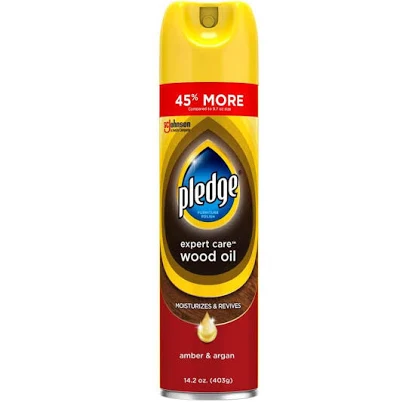
- mineral oil, argan oil blend
- We found no PFAS statement from the brand
- Fragrance allergens and undisclosed components
4 hazards checked on this product, all on its full breakdown.
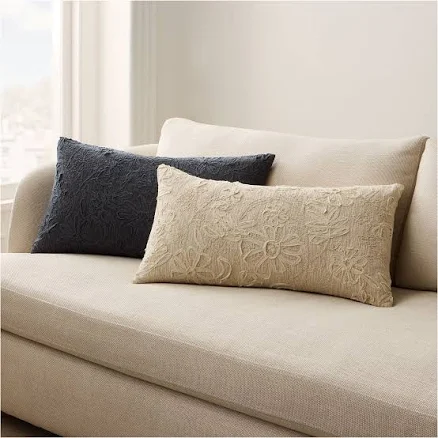
- 100% cotton canvas
- Azo dyes and dye contamination
3 hazards checked on this product, all on its full breakdown.
More outdoor furniture cushion protectants grades
How we score, every product runs through the same public 0-100 rubric based on materials, coatings, brand disclosure, lab findings, and recalls. See the full methodology → Spotted a mistake? Report an error.