Pirate's Booty · Microwave Popcorn
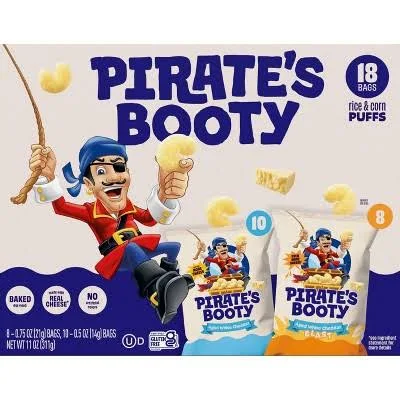
Pirate's Booty Cheddar Blast Puffs
Lower concern snack. Standard food packaging, no known PFAS triggers.
Pirate's Booty uses conventional paperboard packaging without disclosed grease-resistant or water-resistant coatings typical of PFAS-risk products. No public evidence of fluorinated treatments or PFAS concerns for this product line.
We flunk more products than we pass. This one earned its grade. How we grade
Material
paperboard bag with standard food-contact lining
Brand disclosure
Brand is silent on PFAS
Lab data
No public lab test
You may also be interested in
Top-graded picks in the categories readers replace first, every one scored on the same rubric.

- polypropylene filter housing, carbon/sediment cartridge
- We found no PFAS statement from the brand
- Bacterial growth in spent cartridges
3 hazards checked on this product, all on its full breakdown.

Aquasure
Premier Series 75 GPD Under Sink Reverse Osmosis Water Filtration System
- RO membrane, carbon filters, stainless steel housing
- We found no PFAS statement from the brand
- Bacterial and microbial growth in housing and filters
4 hazards checked on this product, all on its full breakdown.

Avocado
Vegan Mattress
- organic cotton, natural latex, coconut coir, recycled steel coils
- The brand calls it PFAS-free, which we have not verified
- Heavy metals
2 hazards checked on this product, all on its full breakdown.
What Pirate's Booty Cheddar Blast Puffs is made of, ingredients and materials
Pirate's Booty Cheddar Blast Puffs come in a paperboard bag with a polymer-based interior food-contact lining designed to protect contents from moisture and grease. The lining is the critical safety surface since paperboard itself is inert once printed. The cheddar-flavored puffs are corn and potato starch based with added cheese powder and salt, meaning the packaging only needs to resist oily/acidic residue, not heat exposure during storage.
What’s concerning
Category baseline
The starting point for this type of product, before anything specific to this product is counted.
No PFAS disclosure
No public statement from the brand about PFAS in this product.
Polymer food-contact lining leaching
Paperboard bags use proprietary polymer coatings (often polyethylene or polypropylene based) on the food-contact side. Under normal cool storage, leaching is minimal; heating or prolonged contact with acidic/oily foods can increase migration. Pirate's Booty's cheddar powder is moderately fatty and acidic, elevating minor leaching risk versus plain starch snacks.
Microplastic fragmentation
Mechanical damage or UV exposure can cause the polymer lining to flake or degrade into microparticles. Risk is minimal during normal shelf storage and consumption, but degraded or damaged bags may shed polymer fragments into the snack. Inspect the interior lining before consumption if the bag has been crushed or stored in direct sunlight.
Moisture barrier failure and mold/bacterial growth
Compromised seals or punctures in the lining expose the snack to moisture, creating conditions for mold, fungi, or pathogenic bacteria. Pirate's Booty bags are sealed adequately at manufacture, but post-consumer storage and handling can degrade the barrier over time or through user damage.
What’s reassuring
Base material not linked to PFAS
The main material recorded for this product is not one associated with PFAS.
Ink and adhesive residues on exterior print
The printed graphics on the bag exterior do not contact food. Food-grade inks are standard in snack packaging and rarely breach the barrier layer. No documented migration issues from Pirate's Booty packaging have been reported.
Heavy metals
The cheddar flavoring and color come from cheese powder and approved colorants (likely annatto or synthetic azo dyes like Tartrazine). No public recalls or FDA alerts for heavy metal contamination in Pirate's Booty products have been documented. Commercial snack cheese powders are subject to routine regulatory testing.
Source, FDA ↗How is this PFAS grade calculated?
The brand's record and disclosure
Pirate's Booty is owned by Robert's American Gourmet (now part of Amplify Snack Brands). The brand has not publicly disclosed material sourcing, chemical coatings, or PFAS policy for its packaging. No major recalls or safety controversies specific to packaging chemistry have been documented in public records. Transparency on food-contact materials is limited across the snack category generally.
How it compares in its category
Pirate's Booty uses standard industry-norm paperboard bagging common to most shelf-stable corn and potato snacks. This is neither premium (glass/metal alternatives do not apply to puffed snacks) nor budget outlier; it aligns with competitors like Cheetos and Fritos in material class. No tested differentiation in safety profile versus comparable cheddar puffs exists in published data.
If you buy it
Store the unopened bag at room temperature in a dry location; moisture can degrade the lining seal and invite mold. Once opened, reseal the bag or transfer contents to an airtight container within 1-2 weeks to prevent staleness and lining oxidation. Do not microwave the bag or heat it; the lining may off-gas polymers. Discard if the interior lining shows visible cracks, discoloration, or odor changes.
What is not known about PFAS in this product?
- Basis
- Model estimate, 72% confidence, not a lab result
- Lab test
- None on record for this exact product
- Brand statement
- Pirate's Booty has made none
Formulations change between production runs, so check the current label. How we grade.
More microwave popcorn grades
How we score, every product runs through the same public 0-100 rubric based on materials, coatings, brand disclosure, lab findings, and recalls. See the full methodology → Spotted a mistake? Report an error.