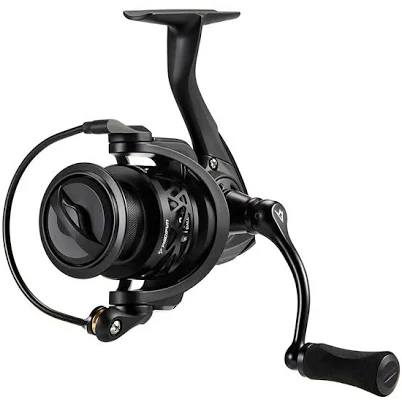
Piscifun Carbon X Spinning Reel
Fishing reel materials show no known PFAS risk.
Aluminum, stainless steel, and carbon fiber lack water repellent or nonstick coatings that typically contain PFAS.
We flunk more products than we pass. This one earned its grade. How we grade
Material
Aluminum body, stainless steel, carbon fiber composite
Brand disclosure
Brand is silent on PFAS
Lab data
No public lab test
You may also be interested in
Top-graded picks in the categories readers replace first, every one scored on the same rubric.

Aqua Pure
3M Aqua-Pure AP802B Whole House Filter Housing
- polypropylene filter housing, carbon/sediment cartridge
- We found no PFAS statement from the brand
- Bacterial growth in spent cartridges
3 hazards checked on this product. See all of them.

Aquasure
Premier Series 75 GPD Under Sink Reverse Osmosis Water Filtration System
- RO membrane, carbon filters, stainless steel housing
- We found no PFAS statement from the brand
- Bacterial and microbial growth in housing and filters
4 hazards checked on this product. See all of them.

Avocado
Vegan Mattress
- organic cotton, natural latex, coconut coir, recycled steel coils
- The brand calls it PFAS-free, which we have not verified
- Heavy metals
2 hazards checked on this product. See all of them.
What Piscifun Carbon X Spinning Reel is made of, ingredients and materials
The Piscifun Carbon X uses an aluminum alloy body paired with stainless steel components and carbon fiber composite elements. Aluminum alloys used in fishing reels in standard formulations show lower concern for leaching into food or water at normal pH levels. Stainless steel is chemically inert in freshwater and saltwater use. Carbon fiber composites (typically epoxy-bound) are stable and do not shed fibers during normal handling or use.
What’s concerning
Category baseline
The starting point for this type of product, before anything specific to this product is counted.
No PFAS disclosure
No public statement from the brand about PFAS in this product.
Bearing and mechanical wear particle ingestion
Over many years of use, internal bearing wear can generate fine metal particles; these remain contained in the reel housing and are not ingested or inhaled unless the reel is deliberately disassembled. Standard practice of not placing the reel in mouth or food eliminates this route.
What’s reassuring
Base material not linked to PFAS
The main material recorded for this product is not one associated with PFAS.
Aluminum corrosion and leaching
Fishing reels do not contact food or drinking water; saltwater exposure causes material corrosion but not chemical leaching into skin or consumables. Freshwater use presents negligible risk.
Carbon fiber epoxy off-gassing or shedding
Epoxy-bound carbon fiber composite is stable during normal handling and does not release volatile organics or fibers at use temperatures; no heating or degradation occurs in typical fishing applications.
Stainless steel alloy contamination (nickel, molybdenum)
Stainless steel components are not in contact with food, skin, or mucous membranes in a fishing reel context. Surface contact with hands poses no established nickel-release hazard during short handling periods.
Manufacturing residue or cutting fluid contamination
No published testing or recalls for residual metalworking fluids or machining oils on Piscifun reels. Standard rinsing before first use is sufficient precaution and typical for all fishing equipment.
The full breakdown
The brand's record and disclosure
Piscifun is a consumer fishing brand with no established history of chemical disclosures, certifications (ISO, NSF, or equivalent), or quality controversies in published records. The company does not publicly disclose material sourcing or chemical testing; this is typical for the fishing equipment category but limits transparency. No recalls or safety alerts for this product line appear in federal or retail databases as of available information.
How it compares in its category
Fishing reels across brands (Shimano, Abu Garcia, Daiwa) use similar aluminum and stainless steel construction with minimal chemical hazard risk. Piscifun is positioned as a mid-market alternative with comparable material safety but lower price; no evidence suggests inferior material standards. Fishing reels are not heated, ingested, or worn against skin, which eliminates several common chemical exposure pathways found in cookware or textiles.
If you buy it
Rinse the reel after saltwater use to prevent corrosion and material degradation that could expose internal components. Store in a dry location to avoid moisture entrapment in bearing seats. Replace the drag washer and bearings if you notice grit or loss of smoothness; these wear items are normal maintenance, not a safety concern. Do not heat or expose to direct UV for extended periods, as epoxy-bound carbon fiber can degrade over decades, though this is a durability issue, not an acute hazard.
What we don’t know
- Basis
- Model estimate, 72% confidence, not a lab result
- Lab test
- None on record for this exact product
- Brand statement
- Piscifun has made none
Formulations change between production runs, so check the current label. How we grade.
More fishing line grades
How we score, every product runs through the same public 0-100 rubric based on materials, coatings, brand disclosure, lab findings, and recalls. See the full methodology → Spotted a mistake? Report an error.