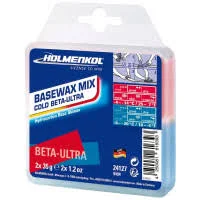
Holmenkol Worldcup Mix Cold Ski Wax
Lower PFAS concern; traditional wax formulation unlikely to contain fluorochemicals.
This hydrocarbon-based ski wax has no public PFAS or Teflon-family coating additive disclosure. Ski waxes typically do not require Teflon-type coating or water-repellent coating coatings like performance apparel.
We flunk more products than we pass. This one earned its grade. How we grade
Material
Hydrocarbon wax blend (paraffin/synthetic)
Brand disclosure
Brand is silent on PFAS
Lab data
No public lab test
You may also be interested in
Top-graded picks in the categories readers replace first, every one scored on the same rubric.

- polypropylene filter housing, carbon/sediment cartridge
- We found no PFAS statement from the brand
- Bacterial growth in spent cartridges
3 hazards checked on this product, all on its full breakdown.

Aquasure
Premier Series 75 GPD Under Sink Reverse Osmosis Water Filtration System
- RO membrane, carbon filters, stainless steel housing
- We found no PFAS statement from the brand
- Bacterial and microbial growth in housing and filters
4 hazards checked on this product, all on its full breakdown.

Avocado
Vegan Mattress
- organic cotton, natural latex, coconut coir, recycled steel coils
- The brand calls it PFAS-free, which we have not verified
- Heavy metals
2 hazards checked on this product, all on its full breakdown.
What Holmenkol Worldcup Mix Cold Ski Wax is made of, ingredients and materials
Holmenkol Worldcup Mix Cold is a hydrocarbon wax blend based on paraffin and synthetic wax components, designed for low-temperature snow conditions. This formulation type avoids fluorinated compounds (which would appear as PFAS), relying instead on conventional petroleum-derived waxes that have been used in ski equipment for decades. The 'cold' designation indicates optimization for temperatures below freezing; the blend composition affects glide performance but not material toxicity under intended use.
What’s concerning
Category baseline
The starting point for this type of product, before anything specific to this product is counted.
No PFAS disclosure
No public statement from the brand about PFAS in this product.
Volatile organic compound (VOC) emissions during heating
Hydrocarbon waxes can release low levels of VOCs when heated for application. Holmenkol's specific emission profile is not published, but standard paraffin waxes pose minimal acute risk in adequately ventilated spaces.
Inhalation of wax dust during application or storage
Grinding, scraping, or handling powdered wax residue may generate inhalable particles. No specific respiratory hazard classification exists for this product, but standard precaution (light ventilation, occasional exposure) mitigates risk.
Microplastic or polymer shedding during use
Wax fragments shed onto snow during skiing are hydrocarbon-based and will break down in the environment faster than synthetic polymers, but cumulative shedding from widespread use remains an unquantified environmental concern rather than a direct health hazard.
What’s reassuring
Base material not linked to PFAS
The main material recorded for this product is not one associated with PFAS.
Skin contact and minor irritation
Paraffin and synthetic hydrocarbon waxes are generally dermatologically inert. No reports of allergic reaction or irritation from Holmenkol Worldcup Mix Cold specifically; standard handling shows no hazard of this kind on record.
Heavy metals
No published evidence of lead, cadmium, or other heavy metal contamination in Holmenkol hydrocarbon waxes. Traditional formulations do not require these additives for performance or coloration.
Source, FDA ↗How is this PFAS grade calculated?
The brand's record and disclosure
Holmenkol (parent company Pitter Patter Wax) has not published specific safety data sheets or third-party certifications for this product in widely available sources. The brand has maintained silence on PFAS content specifically, which is common among traditional ski wax manufacturers who do not use fluorochemicals. No recalls or established safety controversies are on record for this product line.
How it compares in its category
Ski waxes are a niche category with minimal regulatory oversight; most competitors use similar hydrocarbon or hydrocarbon/Teflon-type coating blends. Holmenkol's traditional paraffin-synthetic approach is mainstream and carries the same low toxicity profile as comparable non-fluorinated waxes from other manufacturers. High-end alternatives with performance certifications (e.g., from Nordic skiing bodies) exist but do not address fundamentally different safety profiles.
If you buy it
Apply wax in well-ventilated areas; heating solid wax generates minimal fumes from hydrocarbon products, but avoid prolonged inhalation of wax dust during application or storage. Store at room temperature away from direct heat to prevent degradation. Replace when the wax layer becomes visibly thin or compacted; typical lifespan depends on skiing frequency. No special disposal precautions are required beyond treating it as solid waste.
What is not known about PFAS in this product?
- Basis
- Model estimate, 72% confidence, not a lab result
- Lab test
- None on record for this exact product
- Brand statement
- Holmenkol has made none
Formulations change between production runs, so check the current label. How we grade.
What are the PFAS-free alternatives to Holmenkol Worldcup Mix Cold Ski Wax?
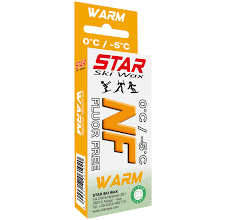
- hydrocarbon ski wax (non-fluorinated)
- The brand calls it PFAS-free, which we have not verified
- Volatile Organic Compounds (VOCs) and mineral oil vapor
3 hazards checked on this product, all on its full breakdown.
- hydrocarbon wax blend
- The brand calls it PFAS-free, which we have not verified
- Thermal degradation and fume emission
3 hazards checked on this product, all on its full breakdown.
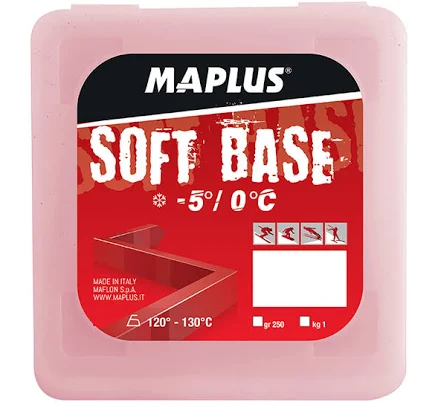
- Wax-based ski base, fluorine-free formulation
- The brand calls it PFAS-free, which we have not verified
- Inhalation of wax particulates and volatiles during application
More ski & sports wax grades
How we score, every product runs through the same public 0-100 rubric based on materials, coatings, brand disclosure, lab findings, and recalls. See the full methodology → Spotted a mistake? Report an error.