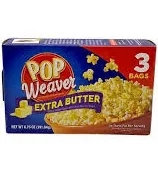
Pop Weaver · Microwave Popcorn
Pop Weaver Extra Butter Microwave Popcorn
Skip until manufacturer discloses coating chemistry or certifies PFAS-free.
Microwave popcorn bags typically use grease-resistant coatings that historically contained PFAS. Pop Weaver makes no public disclosure about their bag materials or PFAS status.
The better-graded swap
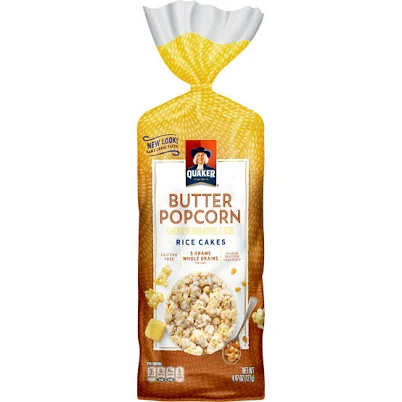
Quaker
Quaker Butter Popcorn Rice Cakes
70/100 safety
Same rubric that flunked this product. The swap earned Good.
Still want this one anyway? Check the price on Amazon. We’d swap it.
Material
paper/paperboard bag with grease-resistant coating (unspecified)
Brand disclosure
Brand is silent on PFAS
Lab data
No public lab test
What Pop Weaver Extra Butter Microwave Popcorn is made of, ingredients and materials
Pop Weaver Extra Butter is packaged in a paper/paperboard bag with a grease-resistant coating of unspecified chemistry. Grease-resistant coatings on food contact paper typically use fluorinated compounds (PFAS) or, less commonly, wax or silicone to repel oil and moisture. The exact formulation is not disclosed by the brand, which means the specific chemistry, migration risk, and thermal stability under microwave heating remain opaque. When microwaved, heat can accelerate any potential leaching from the bag into the popcorn and butter flavoring.
What’s concerning
Waterproof / stain-resistant treatment
Water-repellent coating treatments have historically used PFAS.
Category baseline
The starting point for this type of product, before anything specific to this product is counted.
No PFAS disclosure
No public statement from the brand about PFAS in this product.
PFAS
The coating chemistry is unspecified and typical grease-resistant coatings on microwave popcorn bags contain PFAS. No test data for this specific product is on record, but the category is recognized as a significant PFAS dietary source.
Source, ATSDR ↗Coating migration into food under heat
Microwave heating accelerates potential leaching of coating components into the popcorn and oil. Without knowing the coating formula, the degree of risk cannot be quantified, but heat-triggered migration is a documented concern for food-contact paper coatings.
Volatilization of coating components
Some coating additives can volatilize during microwave heating and be inhaled or ingested in steam. This is of particular concern if the coating contains fluorinated compounds, which can off-gas under thermal stress.
What’s reassuring
Incomplete or degraded coating over time
No reports of coating failure or degradation in Pop Weaver popcorn bags are on record. Uncoated bag material underneath would allow oil saturation, but this is a failure mode, not an active hazard for typical use.
Oil oxidation and trans fat formation
This is a formulation concern unrelated to the bag material. No specific data on Pop Weaver's butter flavoring oil oxidation stability is available; risk is generic to buttered popcorn products, not unique to this brand.
The full breakdown
The brand's record and disclosure
Pop Weaver (a subsidiary of Weaver Popcorn Company) does not publicly disclose the coating chemistry of its microwave popcorn bags and does not appear to have issued statements on PFAS avoidance or certification of PFAS-free status. No major recalls or public health controversies tied to this product's packaging are on record, but the absence of transparency on a key safety question is itself a red flag. The brand's silent stance on a well-known food contact material hazard suggests either lack of awareness or reluctance to commit to safer alternatives.
How it compares in its category
Microwave popcorn bags are a known category of PFAS exposure concern due to grease-resistant coating requirements. Some competitors and retailers now offer popcorn in bags labeled PFAS-free, use wax-based barriers, or provide bulk unpackaged alternatives. Pop Weaver's lack of any public declaration places it in a lower transparency tier than brands that have explicitly stated PFAS-free status or adopted alternative coatings. Consumer Reports and environmental groups have flagged microwave popcorn bags as a priority source of dietary PFAS, making this an active consideration for risk-conscious households.
If you buy it
If used, handle the bag normally and follow microwave instructions without overheating to minimize thermal mobilization of any coating compounds. Do not reuse the bag or store food in it after opening. Consider transferring popped corn to a separate container rather than eating directly from the hot bag interior, which minimizes direct contact with the coating. A safer alternative is stovetop popping in a covered pot with added butter and salt, which eliminates food-contact bag coatings entirely.
What we don’t know
- Basis
- Model estimate, 35% confidence, not a lab result
- Lab test
- None on record for this exact product
- Brand statement
- Pop Weaver has made none
Formulations change between production runs, so check the current label. How we grade.
Better-graded alternatives in Microwave Popcorn
Quaker
Butter Popcorn Rice Cakes
- puffed rice cakes in paperboard packaging
- We found no PFAS statement from the brand
- Mold or bacterial growth in packaging
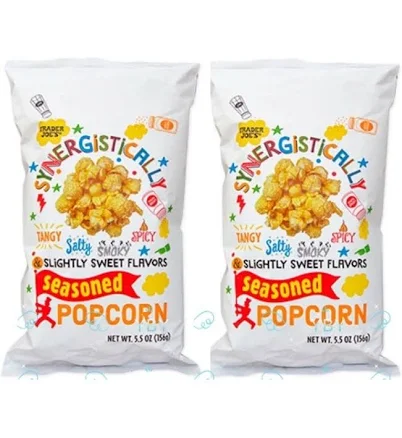
Trader Joe's
2 Packs Trader Joe's Synergistically Seasoned Popcorn 5.5 Oz Each Pack
- paperboard popcorn bag, grease-resistant interior lining
- We found no PFAS statement from the brand
- Moisture and mold risk if bag is compromised
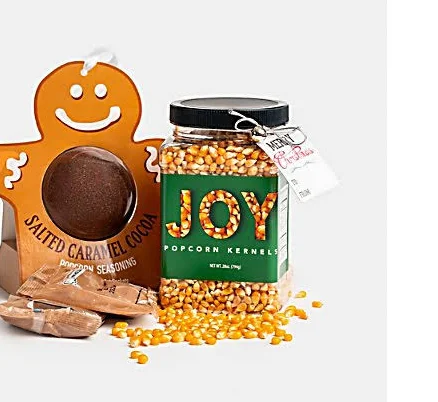
Wabash Valley
Farms Sweet
- paper-based food packaging with standard coating
- We found no PFAS statement from the brand
- Ink migration (printing on exterior or interior)
3 hazards checked on this product. See all of them.
More microwave popcorn grades
How we score, every product runs through the same public 0-100 rubric based on materials, coatings, brand disclosure, lab findings, and recalls. See the full methodology → Spotted a mistake? Report an error.