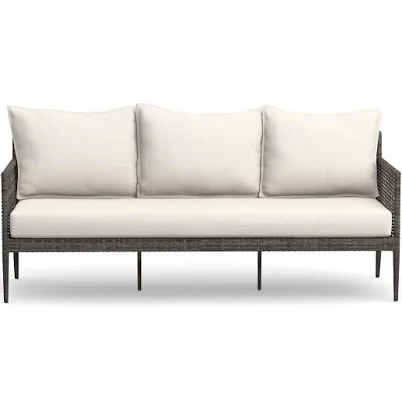
Pottery Barn · Outdoor Furniture Cushion Protectants
Pottery Barn Cammeray Sofa Cushion Cover
Stain-resistant cover, PFAS risk unknown without brand disclosure.
Pottery Barn does not publicly reveal PFAS content or water-repellent coating treatment chemistry. Stain and water resistance on upholstery typically involves PFAS.
The better-graded swap
Blazing Needles
74 in by 19 in Outdoor Solid Polyester Tufted Chaise Lounge Cushion
85/100 safety
Same rubric that flunked this product. The swap earned Excellent.
Still want this one anyway? Check the price on Amazon. We’d swap it.
Material
upholstery fabric with stain and water resistance treatment
Lab data
No public lab test
You may also be interested in
Top-graded picks in the categories readers replace first, every one scored on the same rubric.

- polypropylene filter housing, carbon/sediment cartridge
- We found no PFAS statement from the brand
- Bacterial growth in spent cartridges
3 hazards checked on this product, all on its full breakdown.

Aquasure
Premier Series 75 GPD Under Sink Reverse Osmosis Water Filtration System
- RO membrane, carbon filters, stainless steel housing
- We found no PFAS statement from the brand
- Bacterial and microbial growth in housing and filters
4 hazards checked on this product, all on its full breakdown.

Avocado
Vegan Mattress
- organic cotton, natural latex, coconut coir, recycled steel coils
- The brand calls it PFAS-free, which we have not verified
- Heavy metals
2 hazards checked on this product, all on its full breakdown.
What Pottery Barn Cammeray Sofa Cushion Cover is made of, ingredients and materials
The Cammeray cover is an upholstery fabric with integrated stain and water resistance treatment. This type of finish is almost always applied using fluorochemical compounds (PFAS-based) or, less commonly, silicone or wax alternatives. Pottery Barn does not publicly disclose which chemistry is used in this product. The fabric itself is typically a synthetic blend (polyester-dominant) to support durability, but the treatment chemistry is the primary concern.
What’s concerning
Category baseline
The starting point for this type of product, before anything specific to this product is counted.
No PFAS disclosure
No public statement from the brand about PFAS in this product.
Waterproof / stain-resistant treatment
Water-repellent coating treatments have historically used PFAS.
PFAS
Water and stain resistance on upholstery fabric is nearly always fluorochemical-based. Pottery Barn provides no disclosure; assume PFAS-containing treatment unless explicitly stated otherwise by the manufacturer.
Source, ATSDR ↗Flame retardants
Synthetic upholstery fabrics sometimes contain added flame retardant chemicals (brominated or phosphorus-based) to meet flammability standards. No disclosure available for this product; treated polyester carries moderate risk depending on construction.
Source, EPA ↗Formaldehyde / VOCs
Textile dyes and binding resins can release low levels of formaldehyde. Risk is typical for colored synthetic upholstery but not specific to this brand. Off-gassing decreases over time with airing.
Source, ATSDR ↗Microplastic shedding from synthetic fabric
Polyester-dominant blends shed microfibers with wear and washing. While not a direct toxicological hazard to the user, shedding contributes to indoor dust and eventual environmental microplastic load. Regular vacuuming reduces accumulation.
Coating degradation and chemical mobilization
Stain-resistant coatings deteriorate with age, heat, and abrasive cleaning. As the coating breaks down, any residual PFAS or other treatment chemicals may leach into dust or contact skin. Replacement of worn covers is prudent.
How is this PFAS grade calculated?
The brand's record and disclosure
Pottery Barn has not made public commitments to phase out PFAS in home textiles or disclosed testing/certification for this product line. The company does not list ingredient transparency or third-party certifications (e.g., Greenguard, Oeko-Tex) for cushion covers in available marketing materials. This silence is typical among mainstream home furnishing retailers but creates uncertainty for consumers seeking alternatives with lower concern regarding PFAS.
How it compares in its category
Most mass-market stain-resistant upholstery covers use PFAS-based treatments; the Cammeray is standard practice, not an outlier. Premium alternatives (Crate and Barrel, some direct-to-consumer brands) occasionally offer PFAS-free stain resistance using silicone or polyurethane, but these are not the norm at Pottery Barn's price point. Untreated or naturally stain-resistant fabrics (linen, wool blends) avoid the issue entirely but sacrifice water/stain performance.
If you buy it
Treat stains promptly with plain water or mild soap rather than aggressive chemical cleaners, which can degrade the finish and potentially mobilize residues. Avoid exposing the cover to prolonged heat or direct sunlight, which may accelerate coating breakdown. Vacuum and air regularly to minimize dust accumulation. Replace the cover if visible wear, peeling, or coating degradation appears, as this signals loss of the protective barrier.
What is not known about PFAS in this product?
- Basis
- Model estimate, 35% confidence, not a lab result
- Lab test
- None on record for this exact product
- Brand statement
- Pottery Barn has made a specific claim
Formulations change between production runs, so check the current label. How we grade.
What are the PFAS-free alternatives to Pottery Barn Cammeray Sofa Cushion Cover?
Blazing Needles
74 in by 19 in Outdoor Solid Polyester Tufted Chaise Lounge Cushion
- Polyester fill with polyester cover
- We found no PFAS statement from the brand
- Azo dyes in polyester textiles
2 hazards checked on this product, all on its full breakdown.
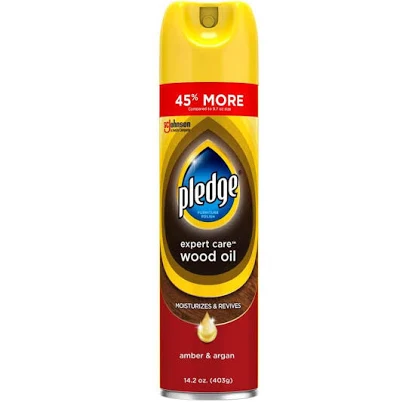
- mineral oil, argan oil blend
- We found no PFAS statement from the brand
- Fragrance allergens and undisclosed components
4 hazards checked on this product, all on its full breakdown.
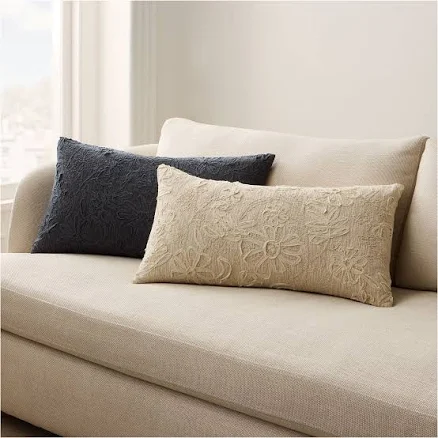
- 100% cotton canvas
- Azo dyes and dye contamination
3 hazards checked on this product, all on its full breakdown.
More outdoor furniture cushion protectants grades
How we score, every product runs through the same public 0-100 rubric based on materials, coatings, brand disclosure, lab findings, and recalls. See the full methodology → Spotted a mistake? Report an error.