Pottery Barn · Outdoor Furniture Cushion Protectants
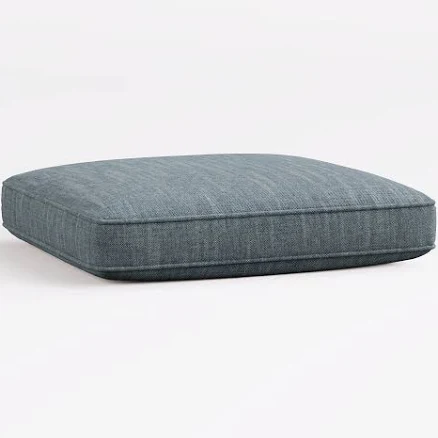
Pottery Barn Cushion Universal Dining Chair Piped
Stain-resistant upholstery likely treated with PFAS.
Pottery Barn won't disclose PFAS treatment details. Stain and water resistance in upholstery commonly use PFAS-based finishes.
The better-graded swap
Blazing Needles
74 in by 19 in Outdoor Solid Polyester Tufted Chaise Lounge Cushion
85/100 safety
Same rubric that flunked this product. The swap earned Excellent.
Still want this one anyway? Check the price on Amazon. We’d swap it.
Material
polyester upholstery with piping, likely water-repellent coating finish
Lab data
No public lab test
You may also be interested in
Top-graded picks in the categories readers replace first, every one scored on the same rubric.

- polypropylene filter housing, carbon/sediment cartridge
- We found no PFAS statement from the brand
- Bacterial growth in spent cartridges
3 hazards checked on this product, all on its full breakdown.

Aquasure
Premier Series 75 GPD Under Sink Reverse Osmosis Water Filtration System
- RO membrane, carbon filters, stainless steel housing
- We found no PFAS statement from the brand
- Bacterial and microbial growth in housing and filters
4 hazards checked on this product, all on its full breakdown.

Avocado
Vegan Mattress
- organic cotton, natural latex, coconut coir, recycled steel coils
- The brand calls it PFAS-free, which we have not verified
- Heavy metals
2 hazards checked on this product, all on its full breakdown.
What Pottery Barn Cushion Universal Chair Piped is made of, ingredients and materials
This cushion cover is polyester upholstery with a water-repellent coating (water-repellent coating) finish, a class of treatment typically applied to textiles to resist staining and moisture. Polyester itself is a stable synthetic fiber with low toxicity risk under normal use. The water-repellent coating finish is the primary chemical concern, such treatments have historically relied on PFAS compounds (fluorochemicals) to achieve water and oil repellency, though some manufacturers have shifted to non-fluorinated alternatives. The piping likely uses the same or similar polyester material. Potential secondary concerns include formaldehyde-based resins used in fabric finishing processes, though modern furniture manufacturers generally comply with formaldehyde emission limits.
What’s concerning
Category baseline
The starting point for this type of product, before anything specific to this product is counted.
No PFAS disclosure
No public statement from the brand about PFAS in this product.
Waterproof / stain-resistant treatment
Water-repellent coating treatments have historically used PFAS.
PFAS
Polyester upholstery with water-repellent treatment almost certainly relies on fluorochemical compounds; manufacturer confirms no disclosure. PFAS in textiles do not pose acute inhalation or contact risk during normal use, but accumulation in household dust and potential migration to skin during prolonged contact is a documented exposure pathway.
Source, ATSDR ↗Formaldehyde / VOCs
Polyester textiles often use formaldehyde resins to set dyes and improve wrinkle resistance. Pottery Barn does not specify resin chemistry. Low-level emissions are typical and decline after initial airing; no evidence of excessive emissions for this product line, but off-gassing period is recommended.
Source, ATSDR ↗Microplastics
Repeated friction, washing, or degradation of polyester covers can release microfibers. Risk is low for a cushion cover under normal use (not machine-washed frequently), but shedding increases if the fabric degrades or is damaged. Not a primary concern for sitting furniture but relevant if the product is heavily handled or aged.
Source, EPA ↗What’s reassuring
Heavy metals
Pottery Barn products typically comply with textile safety standards (CPSIA, OEKO-TEX equivalents where tested). No reported contamination incidents for this product. Risk is minimal if manufacturer respects standard dye restrictions, but lack of third-party certification means assurance is indirect.
Source, FDA ↗Flame retardants
US upholstered furniture is subject to flammability standards (16 CFR 1632-1633), but manufacturers meet these via barrier fabrics or fire-blocking interlayers rather than chemical treatments on cushion covers in most cases. Pottery Barn does not advertise flame retardant chemistry for this product, suggesting compliance via design rather than topical treatment. No evidence of brominated or phosph
Source, EPA ↗How is this PFAS grade calculated?
The brand's record and disclosure
Pottery Barn, a Wayfair subsidiary, does not publicly disclose water-repellent coating chemistry on product labels or technical specifications, making it impossible to confirm whether this cushion uses PFAS-based or PFAS-free stain treatment. The brand has not published a formal PFAS reduction commitment or third-party certifications (e.g., OEKO-TEX, bluesign) for upholstery lines. No major recalls or safety incidents specific to this product line have been publicly reported. The silence on chemical composition is consistent with many mainstream home furnishings retailers, though it limits transparency.
How it compares in its category
Universal dining chair cushions at this price point typically feature polyester with water-repellent coating finishes; Pottery Barn's offering is middle-of-market in construction quality and disclosure. Competitors like West Elm and Restoration Hardware similarly do not disclose water-repellent coating chemistry by default. Higher-end or eco-focused brands (e.g., Article, some Etsy sellers) sometimes offer cushions with organic cotton or linen covers and no chemical stain treatment, trading water resistance for lower chemical load. Budget alternatives often use lower-grade polyester blends with minimal finishing, reducing chemical exposure but also durability.
If you buy it
Unbox and air the cushion in a well-ventilated space for 24-48 hours to allow off-gassing of residual finishing chemicals. Spot-clean with mild soap and cool water; test on a hidden area first. Avoid machine washing or exposure to high heat, which can degrade the water-repellent coating finish and potentially release volatile compounds. Replace the cushion cover every 3-5 years if heavily used, as degradation of the protective finish increases both staining risk and potential leaching of residual treatment chemicals. Keep away from direct prolonged sunlight to minimize UV-driven degradation.
What is not known about PFAS in this product?
- Basis
- Model estimate, 45% confidence, not a lab result
- Lab test
- None on record for this exact product
- Brand statement
- Pottery Barn has made a specific claim
Formulations change between production runs, so check the current label. How we grade.
What are the PFAS-free alternatives to Pottery Barn Cushion Universal Dining Chair Piped?
Blazing Needles
74 in by 19 in Outdoor Solid Polyester Tufted Chaise Lounge Cushion
- Polyester fill with polyester cover
- We found no PFAS statement from the brand
- Azo dyes in polyester textiles
2 hazards checked on this product, all on its full breakdown.
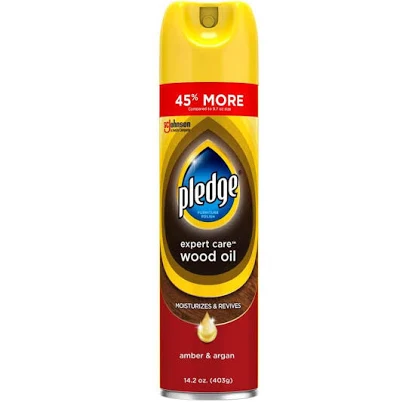
- mineral oil, argan oil blend
- We found no PFAS statement from the brand
- Fragrance allergens and undisclosed components
4 hazards checked on this product, all on its full breakdown.

- 100% cotton canvas
- Azo dyes and dye contamination
3 hazards checked on this product, all on its full breakdown.
More outdoor furniture cushion protectants grades
How we score, every product runs through the same public 0-100 rubric based on materials, coatings, brand disclosure, lab findings, and recalls. See the full methodology → Spotted a mistake? Report an error.