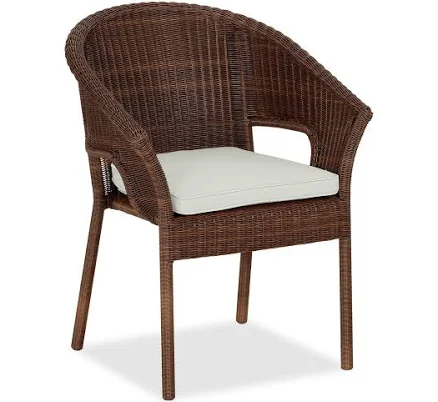
Pottery Barn · Outdoor Furniture Cushion Protectants
Pottery Barn Palmetto Stacking Dining Chair Cushion Slipcover
Unknown treatment chemicals, brand provides no transparency.
Pottery Barn lists stain and water resistance but discloses no finish type or PFAS testing. Standard textile treatments may contain PFAS without confirmation.
The better-graded swap
Blazing Needles
74 in by 19 in Outdoor Solid Polyester Tufted Chaise Lounge Cushion
85/100 safety
Same rubric that flunked this product. The swap earned Excellent.
Still want this one anyway? Check the price on Amazon. We’d swap it.
Material
polyester blend with stain/water-resistant finish
Lab data
No public lab test
You may also be interested in
Top-graded picks in the categories readers replace first, every one scored on the same rubric.

- polypropylene filter housing, carbon/sediment cartridge
- We found no PFAS statement from the brand
- Bacterial growth in spent cartridges
3 hazards checked on this product, all on its full breakdown.

Aquasure
Premier Series 75 GPD Under Sink Reverse Osmosis Water Filtration System
- RO membrane, carbon filters, stainless steel housing
- We found no PFAS statement from the brand
- Bacterial and microbial growth in housing and filters
4 hazards checked on this product, all on its full breakdown.

Avocado
Vegan Mattress
- organic cotton, natural latex, coconut coir, recycled steel coils
- The brand calls it PFAS-free, which we have not verified
- Heavy metals
2 hazards checked on this product, all on its full breakdown.
What Pottery Barn Palmetto Stacking Slipcover is made of, ingredients and materials
This cushion slipcover is polyester blend with a stain and water-resistant finish. The finish is the critical unknown, water-repellent treatments on textiles typically use fluorochemical coatings (PFAS-based) or newer alternatives, but Pottery Barn does not specify which. Polyester itself is stable under normal use, but the finish degradation over time and laundering can release fibers and coating particles into the home environment.
What’s concerning
Category baseline
The starting point for this type of product, before anything specific to this product is counted.
No PFAS disclosure
No public statement from the brand about PFAS in this product.
Waterproof / stain-resistant treatment
Water-repellent coating treatments have historically used PFAS.
PFAS
Stain and water-resistant polyester textiles almost always use surface coatings; Pottery Barn does not disclose whether these are fluorochemical PFAS, fluorine-free alternatives, or wax-based. Off-gassing potential is unknown without chemical identification.
Source, ATSDR ↗Microfiber shedding and coating particle release with age and washing
Polyester blends gradually shed microfibers, especially at seams and with repeated washing. Any degraded finish will shed additional particles that accumulate in wash water and home air.
Formaldehyde / VOCs
No specific data on this product, but polyester textiles with stain-resistance finishes sometimes use formaldehyde-releasing resins for colorfastness. Pottery Barn does not test or disclose this.
Source, ATSDR ↗Flame retardants
Furniture upholstery in the U.S. may be treated with flame retardants to meet flammability codes; Pottery Barn does not specify whether this product contains brominated or phosphorus-based retardants.
Source, EPA ↗What’s reassuring
Heavy metals
No recalls or testing results specific to Pottery Barn cushion covers; textiles in this price range typically comply with basic heavy metal limits, but independent verification is absent.
Source, FDA ↗How is this PFAS grade calculated?
The brand's record and disclosure
Pottery Barn does not publicly disclose chemical treatments, certifications (such as OEKO-TEX or GOTS), or supplier compliance documentation for fabric finishes. The brand has no recorded major textile chemical recalls, but this silence on treatment chemistry is standard for the home furniture retail sector and reflects minimal transparency rather than verified safety. Parent company RH does not publish detailed chemical inventories for soft goods.
How it compares in its category
Furniture cushion slipcovers in the mainstream market almost universally use untreated or fluorochemical-treated polyester; this product sits in the typical retail category. Premium alternatives (e.g., certified organic cotton slipcovers or explicitly PFAS-free options) exist but cost significantly more and are less water-resistant. Budget alternatives often use identical or lower-grade polyester blends with equally opaque finish chemistry.
If you buy it
Wash before use to remove any loose finish residue and reduce off-gassing. Use cool water and avoid heat drying, which can degrade coatings and release fibers. Inspect seams and surface annually for pilling, tears, or coating separation; replace if the finish visibly degrades. Do not bleach or expose to direct sunlight for extended periods, as these accelerate coating breakdown.
What is not known about PFAS in this product?
- Basis
- Model estimate, 45% confidence, not a lab result
- Lab test
- None on record for this exact product
- Brand statement
- Pottery Barn has made a specific claim
Formulations change between production runs, so check the current label. How we grade.
What are the PFAS-free alternatives to Pottery Barn Palmetto Stacking Dining Chair Cushion Slipcover?
Blazing Needles
74 in by 19 in Outdoor Solid Polyester Tufted Chaise Lounge Cushion
- Polyester fill with polyester cover
- We found no PFAS statement from the brand
- Azo dyes in polyester textiles
2 hazards checked on this product, all on its full breakdown.
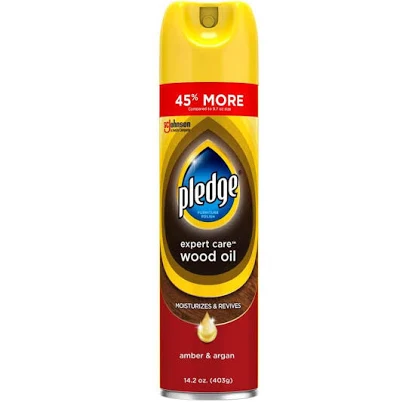
- mineral oil, argan oil blend
- We found no PFAS statement from the brand
- Fragrance allergens and undisclosed components
4 hazards checked on this product, all on its full breakdown.

- 100% cotton canvas
- Azo dyes and dye contamination
3 hazards checked on this product, all on its full breakdown.
More outdoor furniture cushion protectants grades
How we score, every product runs through the same public 0-100 rubric based on materials, coatings, brand disclosure, lab findings, and recalls. See the full methodology → Spotted a mistake? Report an error.