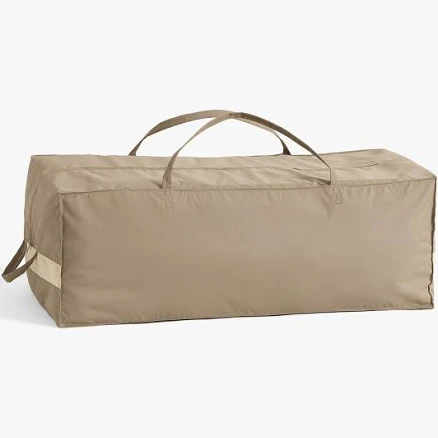
Pottery Barn · Outdoor Furniture Cushion Protectants
Pottery Barn Premium Outdoor Cushion Bag Cover
Outdoor cushion cover likely water-resistant, PFAS risk unspecified.
Pottery Barn does not reveal PFAS or water-repellent coating chemistry for this cover. Outdoor fabric covers typically use water-resistant coatings that may contain PFAS.
The better-graded swap
Blazing Needles
74 in by 19 in Outdoor Solid Polyester Tufted Chaise Lounge Cushion
85/100 safety
Same rubric that flunked this product. The swap earned Excellent.
Still want this one anyway? Check the price on Amazon. We’d swap it.
Material
polyester blend with water/stain-resistant treatment (water-repellent coating)
Lab data
No public lab test
You may also be interested in
Top-graded picks in the categories readers replace first, every one scored on the same rubric.

- polypropylene filter housing, carbon/sediment cartridge
- We found no PFAS statement from the brand
- Bacterial growth in spent cartridges
3 hazards checked on this product, all on its full breakdown.

Aquasure
Premier Series 75 GPD Under Sink Reverse Osmosis Water Filtration System
- RO membrane, carbon filters, stainless steel housing
- We found no PFAS statement from the brand
- Bacterial and microbial growth in housing and filters
4 hazards checked on this product, all on its full breakdown.

Avocado
Vegan Mattress
- organic cotton, natural latex, coconut coir, recycled steel coils
- The brand calls it PFAS-free, which we have not verified
- Heavy metals
2 hazards checked on this product, all on its full breakdown.
What Pottery Barn Premium Outdoor Bag Cover is made of, ingredients and materials
This cover is a polyester blend, likely 100% polyester or polyester-cotton mix, treated with a water-repellent coating (water-repellent coating) finish to shed rain and resist stains. water-repellent coating treatments on outdoor textiles commonly use fluorochemical coatings, which may contain PFAS, though some manufacturers now use non-fluorine alternatives. Polyester itself is stable and non-toxic under normal use, but the chemical finish applied to achieve water resistance is the primary concern. Degradation of the water-repellent coating over years of UV and weather exposure can release particles and potentially alter the coating's chemical profile.
What’s concerning
Category baseline
The starting point for this type of product, before anything specific to this product is counted.
No PFAS disclosure
No public statement from the brand about PFAS in this product.
Waterproof / stain-resistant treatment
Water-repellent coating treatments have historically used PFAS.
PFAS
Pottery Barn does not disclose whether the water-repellent coating treatment uses PFAS-based fluorochemicals or non-fluorine alternatives. Outdoor polyester textiles are frequently treated with legacy perfluorooctanoate (PFOA) or other long-chain PFAS compounds; this cover's finish chemistry is unknown.
Source, ATSDR ↗Coating degradation and particulate release
Water-repellent coating coatings degrade under UV, rain, and temperature cycling over 2-4 years of outdoor use. As the finish breaks down, microscopic particles of the coating and any bound chemical additives (including PFAS) may shed into the environment or soil beneath cushions.
What’s reassuring
Azo dyes in polyester fabric
Polyester used in outdoor cushion covers is occasionally dyed with azo dyes that can release aromatic amines; Pottery Barn does not report restricted azo dye testing on this product. Risk is low if conventional industrial dyes are used, but no third-party certification (e.g., Oeko-Tex) is noted.
Antimony catalyst residue in polyester
Polyester is synthesized using antimony trioxide as a catalyst; finished fabric typically contains only trace residue. No evidence of elevated antimony leaching from Pottery Barn outdoor textiles, and outdoor contact poses minimal dermal or ingestion risk.
Formaldehyde / VOCs
Formaldehyde-based resins are sometimes used to improve wrinkle resistance or durability in polyester-blend textiles. Pottery Barn does not publish formaldehyde test results or limits for this product; off-gassing risk is low in outdoor use but cannot be ruled out without testing.
Source, ATSDR ↗How is this PFAS grade calculated?
The brand's record and disclosure
Pottery Barn does not publicly disclose what water-repellent coating chemistry is used on this outdoor cushion cover, nor does the brand maintain a published restricted substances list specific to water-repellent coating treatments. The company has not announced phase-out of PFAS-based finishes or third-party testing for fluorochemicals on textile products. Without direct communication from Pottery Barn about this item's finish, the chemical identity of the water-resistant layer remains a black box for consumers. No major safety recalls for this specific product have been reported.
How it compares in its category
Outdoor cushion covers across the industry typically rely on either fluorochemical water-repellent coating (the incumbent standard, often PFAS-based) or emerging non-fluorine alternatives such as silicone or polyurethane coatings. Higher-end outdoor brands (e.g., Sunbrella) now offer PFAS-free water-repellent coating options and disclose them; mass-market retailers like Pottery Barn rarely volunteer this level of specificity. For polyester outdoor textiles, the water-repellent coating finish is more consequential than the base fiber; Pottery Barn's silence on chemistry puts it in a less transparent tier than brands with certified PFAS-free or low-PFAS claims.
If you buy it
Store indoors or under cover during off-season to minimize UV breakdown of the water-repellent coating; do not machine wash or dry clean frequently, as this can strip or alter the finish. Hand-rinse with cool water and mild soap as needed; avoid bleach and fabric softeners. Replace the cover every 3-5 years depending on climate intensity, as water-repellent coating effectiveness decreases with weathering and reapplication of finish is not practical for this product type. If PFAS in water-repellent coating coatings concerns you, contact Pottery Barn directly to request chemical composition before purchase, or consider brands with explicit PFAS-free certifications.
What is not known about PFAS in this product?
- Basis
- Model estimate, 35% confidence, not a lab result
- Lab test
- None on record for this exact product
- Brand statement
- Pottery Barn has made a specific claim
Formulations change between production runs, so check the current label. How we grade.
What are the PFAS-free alternatives to Pottery Barn Premium Outdoor Cushion Bag Cover?
Blazing Needles
74 in by 19 in Outdoor Solid Polyester Tufted Chaise Lounge Cushion
- Polyester fill with polyester cover
- We found no PFAS statement from the brand
- Azo dyes in polyester textiles
2 hazards checked on this product, all on its full breakdown.
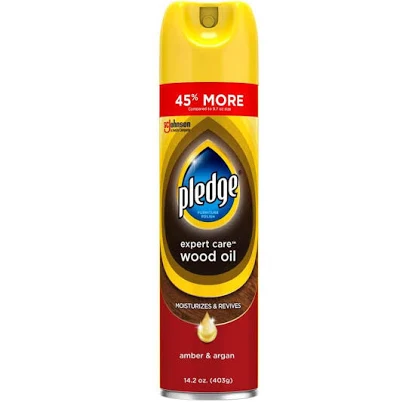
- mineral oil, argan oil blend
- We found no PFAS statement from the brand
- Fragrance allergens and undisclosed components
4 hazards checked on this product, all on its full breakdown.

- 100% cotton canvas
- Azo dyes and dye contamination
3 hazards checked on this product, all on its full breakdown.
More outdoor furniture cushion protectants grades
How we score, every product runs through the same public 0-100 rubric based on materials, coatings, brand disclosure, lab findings, and recalls. See the full methodology → Spotted a mistake? Report an error.