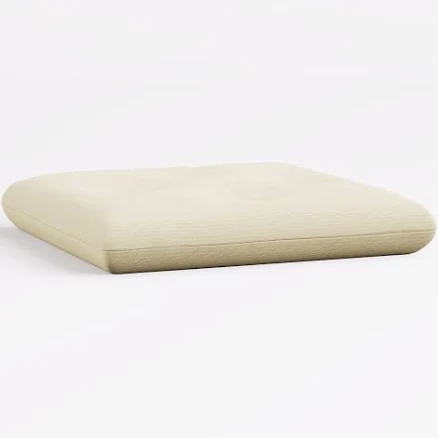
Pottery Barn · Outdoor Furniture Cushion Protectants
Pottery Barn Universal Outdoor Bar/ Counter Stool Cushion
Skip until Pottery Barn discloses treatment chemistry or choose untreated alternatives.
Outdoor cushions typically receive water-repellent coating or stain-resistant finishes to withstand weather and spills. Pottery Barn doesn't publicly disclose whether this uses PFAS-based treatments.
The better-graded swap
Blazing Needles
74 in by 19 in Outdoor Solid Polyester Tufted Chaise Lounge Cushion
85/100 safety
Same rubric that flunked this product. The swap earned Excellent.
Still want this one anyway? Check the price on Amazon. We’d swap it.
Material
Polyester cushion with stain/water-resistant treatment
Lab data
No public lab test
You may also be interested in
Top-graded picks in the categories readers replace first, every one scored on the same rubric.

- polypropylene filter housing, carbon/sediment cartridge
- We found no PFAS statement from the brand
- Bacterial growth in spent cartridges
3 hazards checked on this product, all on its full breakdown.

Aquasure
Premier Series 75 GPD Under Sink Reverse Osmosis Water Filtration System
- RO membrane, carbon filters, stainless steel housing
- We found no PFAS statement from the brand
- Bacterial and microbial growth in housing and filters
4 hazards checked on this product, all on its full breakdown.

Avocado
Vegan Mattress
- organic cotton, natural latex, coconut coir, recycled steel coils
- The brand calls it PFAS-free, which we have not verified
- Heavy metals
2 hazards checked on this product, all on its full breakdown.
What Pottery Barn Universal Stool Cushion is made of, ingredients and materials
This cushion is polyester fabric with an applied stain and water-resistant finish. Polyester itself is stable under normal use, but the finish applied to repel water and stains is the chemical unknown here. Outdoor cushions typically use water-repellent coating (water-repellent coating) coatings, historically PFAS-based, though some brands have shifted to PFAS-free alternatives. Pottery Barn has not publicly disclosed which chemistry they use for this product.
What’s concerning
No PFAS disclosure
No public statement from the brand about PFAS in this product.
Category baseline
The starting point for this type of product, before anything specific to this product is counted.
Waterproof / stain-resistant treatment
Water-repellent coating treatments have historically used PFAS.
PFAS
Stain and water resistance in outdoor textiles historically relied on PFAS chemistry. Pottery Barn has not disclosed whether this product uses legacy PFAS or PFAS-free alternatives. Direct skin contact with treated cushions presents low acute risk, but off-gassing or leaching into soil if disposed of improperly is a concern. Graded separately per brief, but critical to final decision.
Source, ATSDR ↗Polyester fiber shedding and microplastic release
Outdoor polyester cushions degrade over time from UV exposure and abrasion, releasing microfibers. Friction during use or cleaning can shed fibers that may enter soil or water. This is not a direct health hazard from the cushion itself when used as intended, but an environmental concern relevant to long-term disposal and product longevity.
Coating degradation and leaching from applied finish
Outdoor cushion finishes degrade under UV, heat, and moisture over 2-5 years, potentially releasing finish chemicals into the cushion substrate or surrounding environment. While Pottery Barn cushions are designed for outdoor use and constructed to withstand this, the chemistry of the degraded finish residue is unknown without disclosure of the water-repellent coating technology used.
What’s reassuring
Formaldehyde / VOCs
No specific recalls or reports of formaldehyde in Pottery Barn outdoor cushions are documented. However, polyester textiles with applied finishes can contain formaldehyde releasers as cross-linking agents. Outdoor exposure reduces volatile off-gassing compared to indoor use. Pottery Barn does not provide OEKO-TEX or similar third-party chemical testing data for this product.
Source, ATSDR ↗Heavy metals
Polyester cushion dyes are typically synthetic azo or reactive types. Restricted azo dyes (those that release carcinogenic amines) are banned in EU textiles but not uniformly regulated in the US. No specific reports of prohibited azo dyes in Pottery Barn products exist, but lack of certification (OEKO-TEX, GOTS) means this is not independently verified.
Source, FDA ↗How is this PFAS grade calculated?
The brand's record and disclosure
Pottery Barn (owned by RH) has not made industry-leading transparency statements on PFAS in home textiles as of available public records. The brand does not list chemical certifications like OEKO-TEX or GOTS on this specific cushion listing. No recalls or chemical incidents specific to Pottery Barn outdoor cushions are documented, but the company's silence on treatment chemistry is a significant transparency gap compared to brands that openly commit to PFAS-free or disclose their water-repellent coating technology.
How it compares in its category
Outdoor cushions in this price and brand tier typically feature polyester with water-repellent coating treatment. Many competitors (e.g., Restoration Hardware, West Elm) are similarly non-transparent on PFAS in outdoor textiles. Some brands explicitly market PFAS-free or wax-based water-repellent coating finishes. This Pottery Barn product sits in the middle of the transparency spectrum, standard construction, but no distinguishing chemical disclosure that would reduce PFAS uncertainty.
If you buy it
Store indoors or under cover during off-season to minimize UV degradation of the polyester and finish. Avoid pressure washing, which can degrade the water-resistant coating prematurely and potentially mobilize finish chemicals. Hand-wash or hose gently with mild soap and dry in shade. Replace if discoloration, staining, or deterioration of the water-repellent finish occurs, typically 3-5 years depending on climate exposure. Consider requesting Pottery Barn's chemical safety data sheet before purchase if PFAS status is a dealbreaker for your household.
What is not known about PFAS in this product?
- Basis
- Model estimate, 45% confidence, not a lab result
- Lab test
- None on record for this exact product
- Brand statement
- Pottery Barn has made a specific claim
Formulations change between production runs, so check the current label. How we grade.
What are the PFAS-free alternatives to Pottery Barn Universal Outdoor Bar/ Counter Stool Cushion?
Blazing Needles
74 in by 19 in Outdoor Solid Polyester Tufted Chaise Lounge Cushion
- Polyester fill with polyester cover
- We found no PFAS statement from the brand
- Azo dyes in polyester textiles
2 hazards checked on this product, all on its full breakdown.
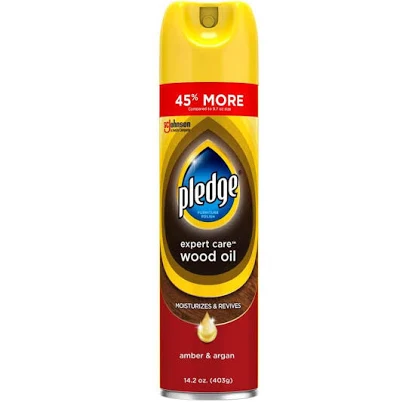
- mineral oil, argan oil blend
- We found no PFAS statement from the brand
- Fragrance allergens and undisclosed components
4 hazards checked on this product, all on its full breakdown.

- 100% cotton canvas
- Azo dyes and dye contamination
3 hazards checked on this product, all on its full breakdown.
More outdoor furniture cushion protectants grades
How we score, every product runs through the same public 0-100 rubric based on materials, coatings, brand disclosure, lab findings, and recalls. See the full methodology → Spotted a mistake? Report an error.