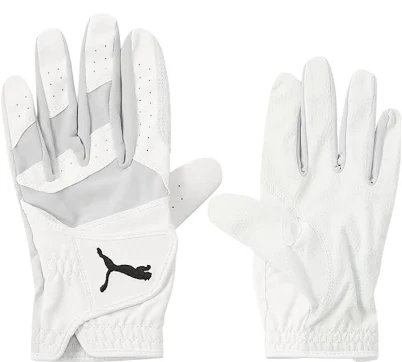
Puma Japan Golf Glove Fusion 2023 For Left Hand 867912 White Gray
Golf glove with reduced PFAS risk minus any water-repellent layer.
Leather and synthetic blend without apparent water-repellent treatment keeps PFAS risk down. Puma has not discussed PFAS and no testing is available.
The better-graded swap
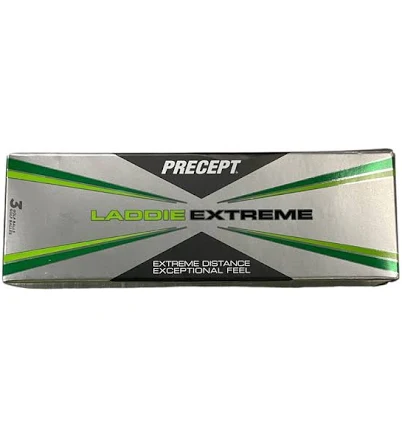
Precept
Precept Laddie Extreme Golf Balls
85/100 safety
Same rubric that flunked this product. The swap earned Excellent.
Still want this one anyway? Check the price on Amazon. We’d swap it.
Material
leather and synthetic leather with textile backing
Lab data
No public lab test
You may also be interested in
Top-graded picks in the categories readers replace first, every one scored on the same rubric.

- polypropylene filter housing, carbon/sediment cartridge
- We found no PFAS statement from the brand
- Bacterial growth in spent cartridges
3 hazards checked on this product, all on its full breakdown.

Aquasure
Premier Series 75 GPD Under Sink Reverse Osmosis Water Filtration System
- RO membrane, carbon filters, stainless steel housing
- We found no PFAS statement from the brand
- Bacterial and microbial growth in housing and filters
4 hazards checked on this product, all on its full breakdown.

Avocado
Vegan Mattress
- organic cotton, natural latex, coconut coir, recycled steel coils
- The brand calls it PFAS-free, which we have not verified
- Heavy metals
2 hazards checked on this product, all on its full breakdown.
What Puma Japan Golf Glove Fusion White Gray is made of, ingredients and materials
This glove combines genuine leather (palm/grip areas) with synthetic leather and textile backing, a standard construction for golf gloves balancing durability, grip, and breathability. Leather itself is chemically inert once tanned, but the tanning process and synthetic overlays introduce potential chemical residues. The white-gray colorway involves dyes applied to both leather and textiles, which carry pigment stability and adhesion concerns. Synthetic leather (likely polyurethane or PVC-based) adds flexibility but introduces slight off-gassing risk if poorly finished.
What’s concerning
No PFAS disclosure
No public statement from the brand about PFAS in this product.
Category baseline
The starting point for this type of product, before anything specific to this product is counted.
Formaldehyde / VOCs
Textile components may contain formaldehyde-based wrinkle-resist or sizing agents common in apparel finishing. Exposure risk is low in finished gloves but slightly higher during manufacturing and storage; airing before use is protective.
Source, ATSDR ↗Heavy metals
White-gray dyes in leather and synthetic overlays may contain azo compounds or trace heavy metals (cadmium, lead) depending on tanning chemistry and dye selection. Puma's RSL compliance suggests restriction of highest-risk dyes, but full pigment testing not publicly available for this SKU.
Source, FDA ↗Synthetic leather (polyurethane/PVC) off-gassing
Polyurethane or PVC-based synthetic overlays can release volatile organic compounds, particularly in the first days after manufacturing and during storage in warm conditions. Ventilation and airing reduce exposure; levels are typically low in sports gloves relative to automotive or furniture applications.
What’s reassuring
Base material not linked to PFAS
The main material recorded for this product is not one associated with PFAS.
Leather tanning chemical residues
Modern leather tanning (chromium or vegetable-based) is well-regulated in Puma-sourced supply chains. No specific recalls or contamination reports exist for Puma golf gloves. Risk is minimal assuming glove is worn on hands (not ingested) and laundered before extensive use.
Antimony in polyester backing threads
If polyester threads are used in seaming, antimony (a known carcinogen in high doses) may be present as a catalyst residue. Industrial textiles typically contain <0.1% antimony; contact exposure from a single glove is negligible, and no specific risk has been documented for golf apparel.
How is this PFAS grade calculated?
The brand's record and disclosure
Puma maintains a public sustainability commitment and publishes compliance with restricted substance lists (RSLs), but does not routinely disclose full chemical testing results for individual SKUs like this golf glove. The brand has no known major safety recalls or controversies specific to golf apparel. Puma is silent on PFAS use in this category, which is typical for non-water-resistant sports gloves where PFAS treatments are less common than in outerwear. Third-party certifications for this specific SKU are not publicly documented.
How it compares in its category
Golf gloves in this price-performance tier (Puma is mainstream, not budget) typically use tanned leather with synthetic reinforcement, placing this product in the middle-ground for chemical burden. Premium alternatives (Tour-level leather gloves) may use more controlled tanning processes and lower-VOC synthetic overlays. Budget alternatives often use fully synthetic or heavily treated materials with higher off-gassing risk. This mixed-material approach is standard practice and not a red flag relative to competitors.
If you buy it
Wash and air-dry before first use to reduce residual dye and processing chemicals; avoid machine washing or heat drying, which degrades both leather and synthetic backing. Store in a breathable pouch rather than sealed plastic to minimize odor buildup from off-gassing. Replace when leather cracks, synthetic overlay peels, or grip diminishes, typically after 1-2 seasons of regular use. Check fit and material integrity monthly, as poor-fitting gloves increase hand friction and wear, concentrating chemical contact in high-stress areas.
What is not known about PFAS in this product?
- Basis
- Model estimate, 65% confidence, not a lab result
- Lab test
- None on record for this exact product
- Brand statement
- Puma has made a specific claim
Formulations change between production runs, so check the current label. How we grade.
More golf balls & equipment grades
How we score, every product runs through the same public 0-100 rubric based on materials, coatings, brand disclosure, lab findings, and recalls. See the full methodology → Spotted a mistake? Report an error.