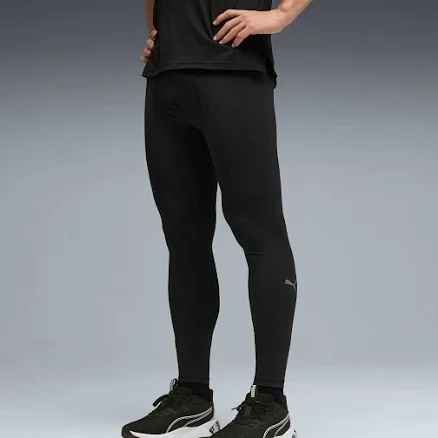
Puma · Waterproof Sports Undergarments
PUMA Men's PWRMODE Full Length Tight
Wait for Puma to reveal water-repellent coating treatment chemistry or release test results.
This compression tight has a water-repellent coating finish for moisture control. Puma won't share details about the waterproofing treatment.
Still want this one anyway? Check the price on Amazon. We’d swap it.
Material
Polyester blend with water-repellent coating finish
Lab data
No public lab test
You may also be interested in
Top-graded picks in the categories readers replace first, every one scored on the same rubric.

- polypropylene filter housing, carbon/sediment cartridge
- We found no PFAS statement from the brand
- Bacterial growth in spent cartridges
3 hazards checked on this product, all on its full breakdown.

Aquasure
Premier Series 75 GPD Under Sink Reverse Osmosis Water Filtration System
- RO membrane, carbon filters, stainless steel housing
- We found no PFAS statement from the brand
- Bacterial and microbial growth in housing and filters
4 hazards checked on this product, all on its full breakdown.

Avocado
Vegan Mattress
- organic cotton, natural latex, coconut coir, recycled steel coils
- The brand calls it PFAS-free, which we have not verified
- Heavy metals
2 hazards checked on this product, all on its full breakdown.
What PUMA Men's PWRMODE Full Length Tight is made of, ingredients and materials
This tight is polyester blend with a water-repellent coating (water-repellent coating) finish applied to the surface. Polyester itself does not leach significant chemicals under normal wear, but the water-repellent coating is the risk point, Puma has not disclosed whether their treatment uses legacy PFAS (fluorocarbon chains) or newer alternatives. The finish degrades with washing and wear, which means both protective benefit and potential coating fragment shedding diminish over time.
What’s concerning
Category baseline
The starting point for this type of product, before anything specific to this product is counted.
No PFAS disclosure
No public statement from the brand about PFAS in this product.
Waterproof / stain-resistant treatment
Water-repellent coating treatments have historically used PFAS.
PFAS
Water-repellent coating treatment chemistry is undisclosed by Puma. Legacy PFAS (PFOA, PFOS, long-chain fluorocarbons) remain common in sportswear water-repellent coating despite regulatory phase-outs; newer fluorine-free alternatives exist but are not confirmed for this product.
Source, ATSDR ↗Antimony in polyester
Polyester can contain antimony trioxide as a catalyst in fiber production. Levels are typically low and non-leaching under normal wear, but Puma has not released polyester sourcing or antimony testing data for this product.
Microplastics
Water-repellent coating-coated polyester tights shed microfibers, especially after washing and as the coating degrades. Washing a new water-repellent coating garment releases both coating particles and base-fiber fragments; this is inherent to the material and finish combination, not unique to Puma.
Source, EPA ↗What’s reassuring
Azo dyes
No azo dye violations or reports are on record for Puma athletic apparel. Polyester tights in this category are typically dyed with compliant processes, but brand transparency on dye chemistry is absent.
Formaldehyde / VOCs
No formaldehyde-release incidents reported for Puma compression wear. Polyester blends may use formaldehyde-based cross-linkers in finishes, but standard apparel regulations usually limit residual levels to safe thresholds. Puma does not disclose finish chemistry details.
Source, ATSDR ↗How is this PFAS grade calculated?
The brand's record and disclosure
Puma has not publicly committed to PFAS-free water-repellent coating chemistry or released independent test data for this product line. The brand has not disclosed which water-repellent coating chemistry (if any) is used in their apparel. No major product recalls or formaldehyde/azo dye violations are on record for Puma athletic wear, suggesting basic compliance with textile regulations. Absence of transparency on water-repellent coating treatment is a red flag given industry-wide PFAS use in sportswear.
How it compares in its category
Water-repellent athletic tights commonly use water-repellent coating finishes, and most major brands (Nike, Adidas, Lululemon) have not universally eliminated PFAS from these coatings. Some brands now offer PFAS-free alternatives, though they are less common in budget-tier compression wear. Puma's lack of public commitment places it in the mainstream risk category, not a leader or laggard.
If you buy it
Wash in cool water and air dry to extend water-repellent coating life and limit potential coating degradation. Avoid high heat (dryer, ironing) which can accelerate coating breakdown. Replace after 50-100 wash cycles if water repellency visibly fails, as continued wear with a degraded finish offers no benefit and increases fiber shedding risk. Do not assume the water-repellent coating is still functional after one year of regular use; test by pouring water on clean fabric.
What is not known about PFAS in this product?
- Basis
- Model estimate, 45% confidence, not a lab result
- Lab test
- None on record for this exact product
- Brand statement
- Puma has made a specific claim
Formulations change between production runs, so check the current label. How we grade.
What are the PFAS-free alternatives to PUMA Men's PWRMODE Full Length Tight?
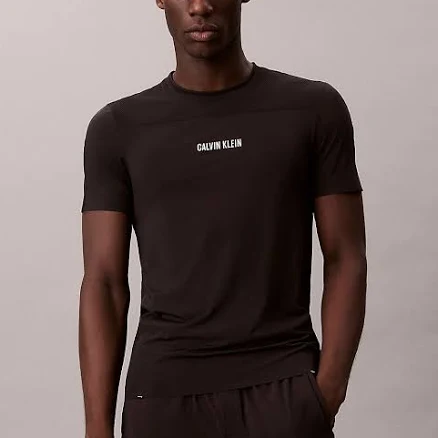
- Cotton-blend knit jersey, uncoated
- We found no PFAS statement from the brand
- Azo dyes and synthetic colorants
3 hazards checked on this product, all on its full breakdown.
Find an alternative on Amazon
- cotton jersey, no applied finish
- We found no PFAS statement from the brand
- Azo dyes and colorant residues
2 hazards checked on this product, all on its full breakdown.
Find an alternative on Amazon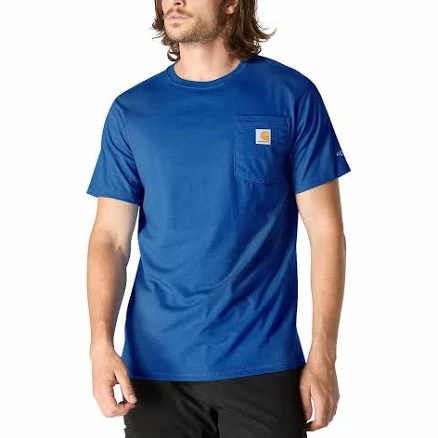
- 100% cotton jersey knit, untreated
- We found no PFAS statement from the brand
- Azo dyes
2 hazards checked on this product, all on its full breakdown.
Find an alternative on AmazonMore waterproof sports undergarments grades
How we score, every product runs through the same public 0-100 rubric based on materials, coatings, brand disclosure, lab findings, and recalls. See the full methodology → Spotted a mistake? Report an error.