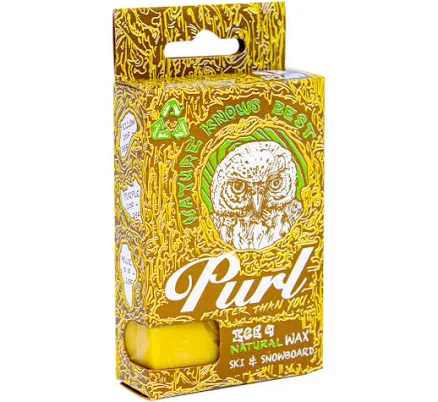
Purl Natural Ski Wax and Snowboard Wax
Lower PFAS concern; natural wax rarely needs fluorochemical treatment, but brand transparency is limited.
Purl emphasizes natural wax without requiring PFAS-based water or dirt repellents. The brand provides no PFAS testing or explicit claims.
We flunk more products than we pass. This one earned its grade. How we grade
Material
Natural wax blend (paraffin, beeswax, or plant-based wax)
Brand disclosure
Brand is silent on PFAS
Lab data
No public lab test
You may also be interested in
Top-graded picks in the categories readers replace first, every one scored on the same rubric.

- polypropylene filter housing, carbon/sediment cartridge
- We found no PFAS statement from the brand
- Bacterial growth in spent cartridges
3 hazards checked on this product, all on its full breakdown.

Aquasure
Premier Series 75 GPD Under Sink Reverse Osmosis Water Filtration System
- RO membrane, carbon filters, stainless steel housing
- We found no PFAS statement from the brand
- Bacterial and microbial growth in housing and filters
4 hazards checked on this product, all on its full breakdown.

Avocado
Vegan Mattress
- organic cotton, natural latex, coconut coir, recycled steel coils
- The brand calls it PFAS-free, which we have not verified
- Heavy metals
2 hazards checked on this product, all on its full breakdown.
What Purl Natural Ski Wax and Snowboard Wax is made of, ingredients and materials
Purl Wax is formulated from a natural wax blend, likely combining paraffin (mineral wax derived from petroleum refining), beeswax, or plant-derived waxes such as soy or palm-based alternatives. These are chemically inert hydrocarbons that melt at moderate temperatures (typically 60-90 degrees Celsius for ski wax application). Unlike synthetic polymers or fluorinated coatings, natural wax blends do not require chemical additives to achieve water repellency, which substantially reduces the likelihood of problematic degradation byproducts during normal use. The primary risk in this material class centers on sourcing transparency and processing contaminants rather than the base wax chemistry itself.
What’s concerning
Category baseline
The starting point for this type of product, before anything specific to this product is counted.
No PFAS disclosure
No public statement from the brand about PFAS in this product.
Volatile organic compound (VOC) emissions during application
Melting natural wax releases minor VOC emissions, particularly terpenes or aldehydes from beeswax or plant components. Purl Wax does not advertise VOC concentration limits or low-emission certification; ventilation during application minimizes inhalation risk.
Rancidity or mold growth in stored product
Natural waxes, especially beeswax blends, can degrade or support microbial growth if stored in high-humidity or warm conditions for extended periods. This affects product performance rather than acute toxicity, but degraded wax should be discarded.
What’s reassuring
Base material not linked to PFAS
The main material recorded for this product is not one associated with PFAS.
Lead
Natural waxes can accumulate trace metals from environmental exposure (particularly beeswax from pollinated plants). No public testing data exists for Purl Wax; risk is low but unverified by third-party audit.
Source, ATSDR ↗Pesticide residue
If Purl Wax includes beeswax or plant sources, residual agricultural pesticides or beekeeping treatments are a theoretical concern. Brand does not disclose organic certification or residue testing.
Source, EPA ↗Skin sensitization from fragrance or additive compounds
If Purl Wax includes fragrance or essential oil additives for consumer appeal, rare contact dermatitis is possible in sensitive individuals. Brand composition details are not publicly detailed; risk is low and consistent with natural wax products.
How is this PFAS grade calculated?
The brand's record and disclosure
Purl Wax has maintained a publicly stated commitment to natural formulations but provides limited independent third-party certification or testing disclosure on their website or product labels. The brand does not advertise heavy metal testing, pesticide residue limits, or full ingredient sourcing for beeswax or plant-based components. No significant recalls, lawsuits, or regulatory actions are on public record for this brand. The absence of transparency is not evidence of contamination, but it leaves consumers without verified assurance on processing standards or supply-chain verification.
How it compares in its category
Ski wax products typically fall into two broad categories, natural (paraffin, beeswax, plant blends) and synthetic with fluorochemical treatment (for water-shedding performance). Purl Wax positions itself in the natural tier, which is inherently lower-risk for volatile organic compound (VOC) emission and fluorinated byproduct release compared to high-performance fluorinated waxes. However, most competing natural wax brands (such as Rex or Swix green lines) offer equivalent material safety profiles; Purl's differentiation is primarily marketing-based rather than hazard-reduction-based. Price and performance, not safety, are the meaningful trade-offs in this category.
If you buy it
Apply wax in a well-ventilated space, as melting any wax (natural or synthetic) releases minor VOC emissions, though natural waxes produce lower concentrations. Store in a cool, dry location away from direct heat or sunlight to prevent rancidity in beeswax components. Reapply every 3-5 days of skiing or snowboarding depending on snow conditions and wear; degraded wax loses effectiveness rather than becoming hazardous. Avoid inhaling wax dust or fumes during application, and wash hands thoroughly after handling. Natural wax formulations have lower concern for skin contact incidentally, but are not intended for ingestion.
What is not known about PFAS in this product?
- Basis
- Model estimate, 72% confidence, not a lab result
- Lab test
- None on record for this exact product
- Brand statement
- Purl has made none
Formulations change between production runs, so check the current label. How we grade.
What are the PFAS-free alternatives to Purl Natural Ski Wax and Snowboard Wax?
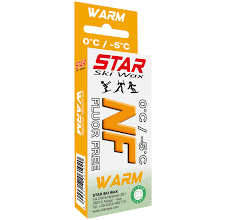
- hydrocarbon ski wax (non-fluorinated)
- The brand calls it PFAS-free, which we have not verified
- Volatile Organic Compounds (VOCs) and mineral oil vapor
3 hazards checked on this product, all on its full breakdown.
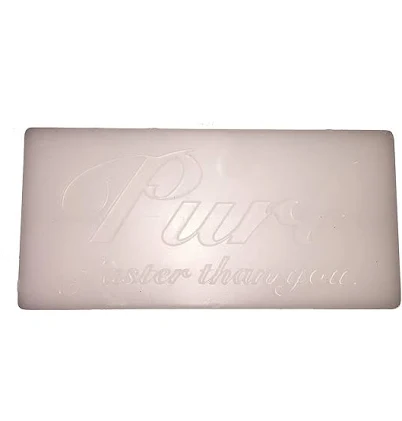
- hydrocarbon wax blend
- The brand calls it PFAS-free, which we have not verified
- Thermal degradation and fume emission
3 hazards checked on this product, all on its full breakdown.
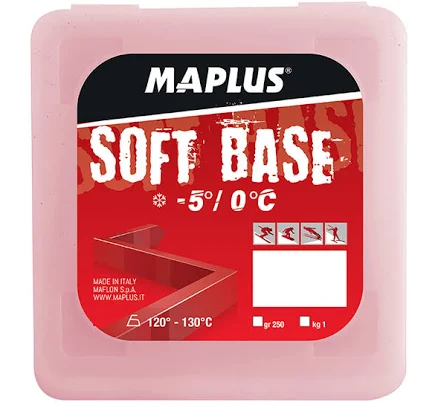
- Wax-based ski base, fluorine-free formulation
- The brand calls it PFAS-free, which we have not verified
- Inhalation of wax particulates and volatiles during application
More ski & sports wax grades
How we score, every product runs through the same public 0-100 rubric based on materials, coatings, brand disclosure, lab findings, and recalls. See the full methodology → Spotted a mistake? Report an error.