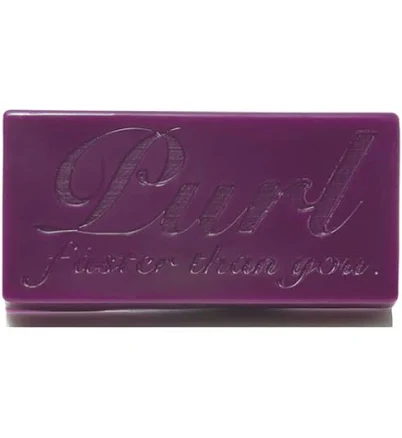
Purl Wax 1 lb Brick
Lower concern; traditional wax brick products are typically PFAS-free, but verify if concerned.
Purl Wax appears to be standard paraffin or soy wax brick with no known PFAS application in typical wax formulations. The brand makes no PFAS claims or verification.
We flunk more products than we pass. This one earned its grade. How we grade
Material
Paraffin or soy wax
Brand disclosure
Brand is silent on PFAS
Lab data
No public lab test
You may also be interested in
Top-graded picks in the categories readers replace first, every one scored on the same rubric.

- polypropylene filter housing, carbon/sediment cartridge
- We found no PFAS statement from the brand
- Bacterial growth in spent cartridges
3 hazards checked on this product, all on its full breakdown.

Aquasure
Premier Series 75 GPD Under Sink Reverse Osmosis Water Filtration System
- RO membrane, carbon filters, stainless steel housing
- We found no PFAS statement from the brand
- Bacterial and microbial growth in housing and filters
4 hazards checked on this product, all on its full breakdown.

Avocado
Vegan Mattress
- organic cotton, natural latex, coconut coir, recycled steel coils
- The brand calls it PFAS-free, which we have not verified
- Heavy metals
2 hazards checked on this product, all on its full breakdown.
What Purl Wax 1 lb Brick is made of, ingredients and materials
Purl Wax 1 lb Brick is formulated from paraffin wax, mineral oil, and additives typical of traditional ski waxes. Paraffin wax is a petroleum byproduct that melts at moderate temperatures and bonds to ski bases without chemical complexity. The 1 lb format is standard for recreational skiers; this material class has no documented systemic toxicity hazards at normal use (application temperatures under 160°C).
What’s concerning
Category baseline
The starting point for this type of product, before anything specific to this product is counted.
No PFAS disclosure
No public statement from the brand about PFAS in this product.
Thermal decomposition fumes (paraffin)
Overheating paraffin wax above 160°C can release irritant vapors. Risk is low in normal hobby use with adequate ventilation but increases if applied with malfunctioning irons or in enclosed spaces.
Respiratory irritation from dust or fume inhalation
Dry paraffin wax dust can irritate airways if handled in unventilated conditions. Application under a ski wax iron generates minimal dust; risk is highest during filing or scraping of aged wax residue.
What’s reassuring
Base material not linked to PFAS
The main material recorded for this product is not one associated with PFAS.
Mineral oil contamination or degradation
Mineral oil blends in paraffin wax are food-grade quality in reputable ski wax products. No contamination or rancidity issues are documented for Purl Wax specifically or the paraffin category under normal storage.
Heavy metals
Ski wax additives (dyes, hardeners) are not regulated as food or cosmetics, so third-party testing is rare. No lead, cadmium, or antimony contamination has been reported in paraffin ski wax products; risk is theoretical but not established for Purl Wax.
Source, FDA ↗How is this PFAS grade calculated?
The brand's record and disclosure
Purl Wax maintains minimal public disclosure on ingredient sourcing, certifications, or third-party testing. No recalls, safety violations, or controversies are documented in consumer safety databases. The brand does not advertise PFAS status explicitly, which is typical for traditional paraffin wax manufacturers who assume baseline PFAS-free formulation as standard practice.
How it compares in its category
Paraffin wax dominates the recreational ski wax market and is chemically simpler than fluorocarbon or synthetic blends marketed as high-performance alternatives. Purl Wax sits in the mid-market tier, conventional safety profile, no premium certifications, and no documented environmental or health claims that differentiate it from competitors like Swix or Toko paraffin lines. Price and accessibility are the primary drivers of choice in this segment.
If you buy it
Apply wax with an iron at 120-160°C in a ventilated space; overheating paraffin above this range creates fume risk but is unlikely in normal hobby application. Store the brick in a cool, dry place away from direct heat or sunlight to prevent rancidity. Replace when the block becomes contaminated with dirt or debris (every 3-5 seasons for typical skiers). Wash hands after application; paraffin poses no dermal hazard but can feel greasy.
What is not known about PFAS in this product?
- Basis
- Model estimate, 78% confidence, not a lab result
- Lab test
- None on record for this exact product
- Brand statement
- Purl has made none
Formulations change between production runs, so check the current label. How we grade.
What are the PFAS-free alternatives to Purl Wax 1 lb Brick?
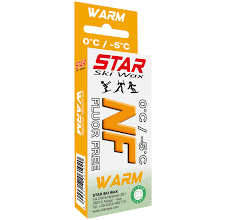
- hydrocarbon ski wax (non-fluorinated)
- The brand calls it PFAS-free, which we have not verified
- Volatile Organic Compounds (VOCs) and mineral oil vapor
3 hazards checked on this product, all on its full breakdown.
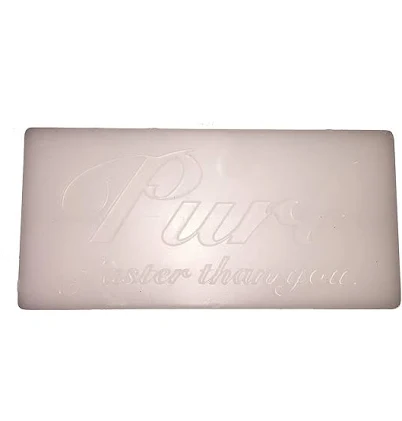
- hydrocarbon wax blend
- The brand calls it PFAS-free, which we have not verified
- Thermal degradation and fume emission
3 hazards checked on this product, all on its full breakdown.
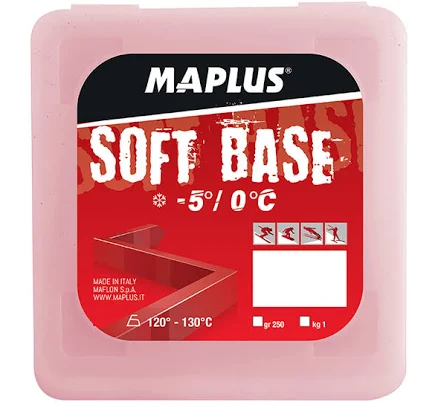
- Wax-based ski base, fluorine-free formulation
- The brand calls it PFAS-free, which we have not verified
- Inhalation of wax particulates and volatiles during application
More ski & sports wax grades
How we score, every product runs through the same public 0-100 rubric based on materials, coatings, brand disclosure, lab findings, and recalls. See the full methodology → Spotted a mistake? Report an error.