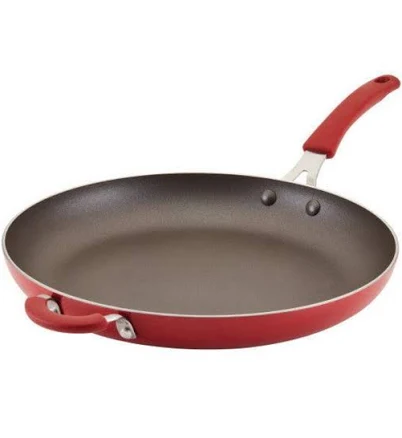
Rachael Ray Cook + Create Nonstick Frying Pan
Unknown coating composition. Skip if PFAS avoidance is priority.
Rachael Ray discloses no details on nonstick coating chemistry or PFAS status. Standard aluminum cookware with unspecified surface treatment carries typical PFAS risk uncertainty.
The better-graded swap
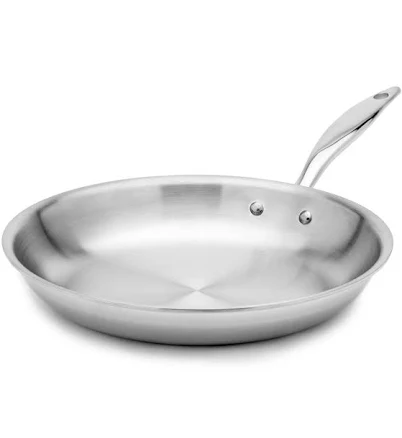
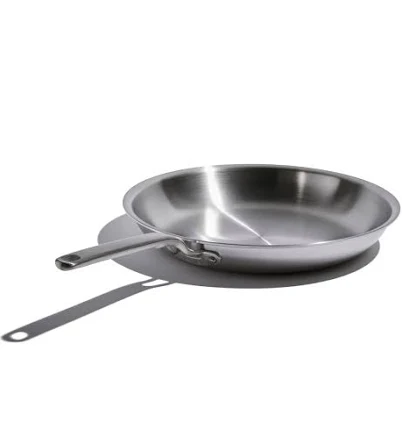
Heritage Steel
Heritage Steel Fry Pan
100/100 safety
Same rubric that flunked this product. The swap earned Excellent.
Still want this one anyway? Check the price on Amazon. We’d swap it.
Material
aluminum with proprietary nonstick coating
Brand disclosure
Brand is silent on PFAS
Lab data
No public lab test
Is Rachael Ray Cook + Create Nonstick Frying non-toxic? What it is made of
This pan uses an aluminum core with a proprietary nonstick coating that Rachael Ray does not publicly specify as Teflon-type coating-free or Teflon-type coating-based. Aluminum cookware can leach small amounts of aluminum into food under acidic conditions (tomato sauce, vinegar, citrus), though the health significance remains debated among toxicologists. The nonstick layer is the primary wear surface and its composition directly determines fume risk at high temperatures and coating longevity.
What’s concerning
Category baseline
The starting point for this type of product, before anything specific to this product is counted.
No PFAS disclosure
No public statement from the brand about PFAS in this product.
Non-stick, chemistry undisclosed
Marketed as non-stick without stating the coating chemistry.
Teflon-type coating fume risk (thermal decomposition)
Coating composition unknown; if Teflon-type coating-based, temperatures above 500F can release perfluorooctanoic acid precursors and other volatiles. No public testing of this specific product exists.
Aluminum leaching
Direct aluminum contact with acidic foods (citrus, tomato, vinegar) can increase leaching. Nonstick coating should prevent this if intact, but degraded surfaces allow exposure.
Coating degradation and flaking
Consumer reviews online indicate this line shows visible wear and discoloration after 6-12 months of regular use. Once coating fails, both aluminum leaching and nonstick loss accelerate.
Manufacturing volatile organic compounds (VOC) off-gassing
New pans may off-gas solvent residues during first use or heating; brand does not disclose manufacturing process or post-cure standards. This is typical for budget nonstick but unverified for this model.
What’s reassuring
Lead
No recalls or test data document lead or cadmium in this product. Aluminum nonstick coatings typically do not use these metals, but independent testing is absent.
Source, ATSDR ↗The full breakdown
The brand's record and disclosure
Rachael Ray has not published detailed material safety data or PFOA/Teflon-type coating composition statements for this cookware line. The brand does not hold third-party certifications (GreenGuard, GOTS, or equivalent) for cookware safety. No major recalls specific to this model have been documented in FDA or CPSC records, but the lack of transparency on coating chemistry is a notable gap compared to competitors who explicitly state Teflon-type coating-free or ceramic alternatives.
How it compares in its category
Most budget-to-mid-range nonstick aluminum pans fall into two camps, those using conventional Teflon-type coating (which carry PFAS risk) and those using ceramic or alternative coatings (which typically cost more). This product's silence on coating type places it in an ambiguous middle ground. Premium brands like GreenPan and Caraway explicitly tout Teflon-type coating-free coatings; budget Teflon-type coating options from T-fal are at least transparent about their material.
If you buy it
Keep stovetop temperature at medium or below; nonstick fume risk peaks above 500F, and proprietary coatings may release harmful volatiles without clear composition data. Hand-wash only; dishwashers accelerate coating wear. Inspect the cooking surface monthly for flaking, discoloration, or rough patches; once degradation is visible, discontinue use and replace. Avoid metal utensils and abrasive scrubbers. Store away from direct sunlight to slow coating oxidation.
What we don’t know
- Basis
- Model estimate, 35% confidence, not a lab result
- Lab test
- None on record for this exact product
- Brand statement
- Rachael Ray has made none
Formulations change between production runs, so check the current label. How we grade.
Better-graded alternatives in Cookware
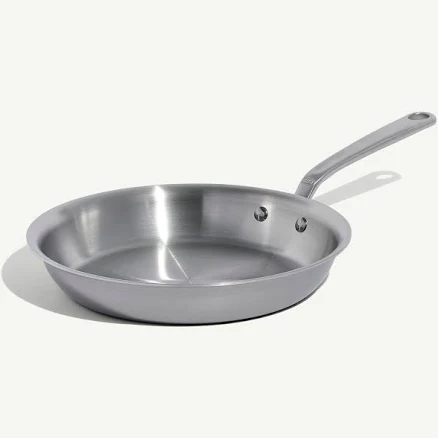
Made In
Stainless Clad Fry Pan
- Stainless steel clad construction, no nonstick coating
- The brand calls it PFAS-free, which we have not verified
- Clad separation or delamination over time
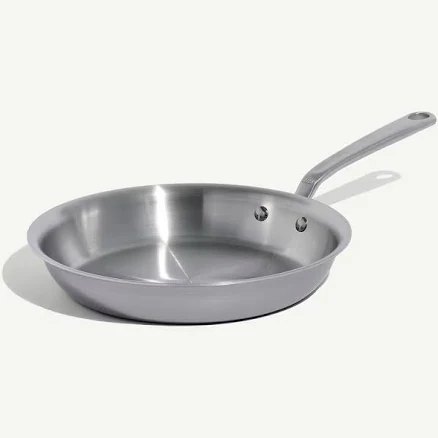
Made In
10' Stainless Clad Frying Pan
- stainless steel clad construction, no nonstick coating
- The brand calls it PFAS-free, which we have not verified
- Nickel leaching from stainless steel
3 hazards checked on this product. See all of them.
Heritage Steel
Eater Fry Pan
- Clad stainless steel, no coating
- The brand calls it PFAS-free, which we have not verified
- Metal ion release during cooking (iron, nickel, chromium)
More cookware grades
How we score, every product runs through the same public 0-100 rubric based on materials, coatings, brand disclosure, lab findings, and recalls. See the full methodology → Spotted a mistake? Report an error.