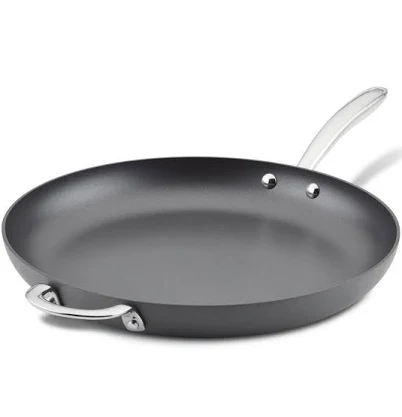
Rachael Ray Professional Collection 14-Inch Hard Anodized Nonstick Frying Pan
Nonstick coating composition not disclosed; PFAS risk unclear.
Rachael Ray does not publicly disclose the nonstick coating formula or PFAS status for this pan. Hard anodized aluminum cookware typically uses either Teflon-type coating-based or alternative coatings; without brand transparency, PFAS presence cannot be ruled out.
The better-graded swap
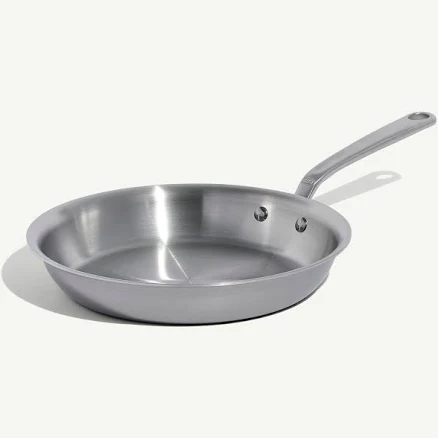
Made In
Made In Stainless Clad Fry Pan
100/100 safety
Same rubric that flunked this product. The swap earned Excellent.
Still want this one anyway? Check the price on Amazon. We’d swap it.
Material
hard anodized aluminum with proprietary nonstick coating
Brand disclosure
Brand is silent on PFAS
Lab data
No public lab test
Is Rachael Ray Professional Collection non-toxic? What it is made of
This pan uses hard anodized aluminum as its core material, a process that creates a dense oxide layer on the aluminum surface to improve durability and corrosion resistance compared to standard aluminum cookware. The nonstick coating is proprietary and Rachael Ray has not disclosed whether it contains Teflon-type coating (Teflon) or PFOA/PFAS alternatives. Hard anodized aluminum itself is generally considered food-safe and does not leach aluminum under normal cooking conditions, but the nonstick layer's composition and performance over time are the critical unknowns here.
What’s concerning
Category baseline
The starting point for this type of product, before anything specific to this product is counted.
No PFAS disclosure
No public statement from the brand about PFAS in this product.
Non-stick, chemistry undisclosed
Marketed as non-stick without stating the coating chemistry.
Teflon-type coating fume risk (if Teflon-type coating-based coating)
No independent testing on record for this specific product, but if the proprietary coating contains Teflon-type coating (not disclosed), overheating above 500F can release fumes linked to polymer fume fever. The brand's silence on coating type leaves this unresolved.
Coating degradation and leaching
Nonstick coatings on all hard anodized aluminum cookware degrade with use and repeated dishwashing. No specific data on what leaches from Rachael Ray's proprietary formulation, but once coating integrity fails, bare aluminum contact with acidic foods is possible.
Aluminum leaching from damaged coating
Hard anodized aluminum itself does not significantly leach under normal conditions, but once the anodized layer and nonstick coating are compromised (chips, scratches, peeling), aluminum exposure increases slightly, particularly with acidic cooking.
What’s reassuring
Off-gassing during manufacturing or initial use
No recalls or complaints specific to off-gassing odor or VOC emissions from this product line are documented. Standard curing and seasoning steps by the manufacturer are assumed.
Lead
Hard anodized aluminum cookware does not use lead- or cadmium-bearing glazes or enamels by design. No documented contamination in this product or brand.
Source, ATSDR ↗The full breakdown
The brand's record and disclosure
Rachael Ray cookware is manufactured by Groupe SEB (also behind T-fal and Imusa brands) and has not published detailed disclosures about PFAS use or avoidance in their nonstick formulations. The brand has no documented recalls specific to chemical hazards in this product line as of public records. However, the lack of transparency about coating chemistry is notable given that many competitors now explicitly advertise PFAS-free or Teflon-type coating-free formulations, and Rachael Ray's silence on this point suggests either Teflon-type coating use or an unwillingness to market the alternative.
How it compares in its category
Hard anodized aluminum nonstick cookware occupies the mid-range of the market, more durable than Teflon-coated standard aluminum, less expensive than ceramic or stainless steel alternatives, and typically on par with comparable offerings from Calphalon and T-fal. The 14-inch size is a standard large skillet, and this particular line is widely available at mainstream retailers. Competitors in this tier vary widely in PFAS transparency; some brands (e.g., GreenPan, Our Place) have explicitly moved to ceramic or Teflon-type coating-free coatings, making Rachael Ray's silence a competitive disadvantage for consumers seeking reassurance.
If you buy it
Keep heat below medium-high (Teflon-type coating-based coatings can off-gas if overheated above 500F, which hard anodized pans may reach with neglect). Inspect the nonstick surface regularly for chips, peeling, or discoloration; replace the pan if coating damage is visible, as compromised coating increases leaching risk. Hand wash only to extend coating life; dishwasher use accelerates wear. Use silicone or wood utensils to avoid scratching. Avoid prolonged empty heating or preheating above medium-high.
What we don’t know
- Basis
- Model estimate, 35% confidence, not a lab result
- Lab test
- None on record for this exact product
- Brand statement
- Rachael Ray has made none
Formulations change between production runs, so check the current label. How we grade.
Better-graded alternatives in Cookware
Made In
Stainless Clad Fry Pan
- Stainless steel clad construction, no nonstick coating
- The brand calls it PFAS-free, which we have not verified
- Clad separation or delamination over time
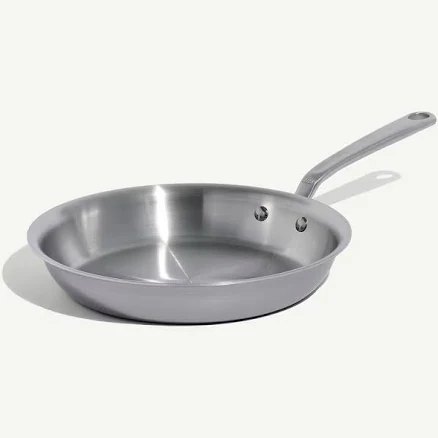
Made In
10' Stainless Clad Frying Pan
- stainless steel clad construction, no nonstick coating
- The brand calls it PFAS-free, which we have not verified
- Nickel leaching from stainless steel
3 hazards checked on this product. See all of them.
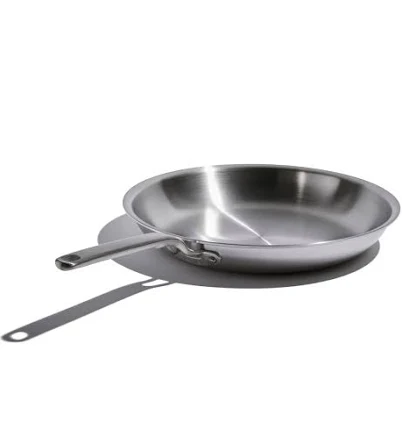
Heritage Steel
Eater Fry Pan
- Clad stainless steel, no coating
- The brand calls it PFAS-free, which we have not verified
- Metal ion release during cooking (iron, nickel, chromium)
More cookware grades
How we score, every product runs through the same public 0-100 rubric based on materials, coatings, brand disclosure, lab findings, and recalls. See the full methodology → Spotted a mistake? Report an error.