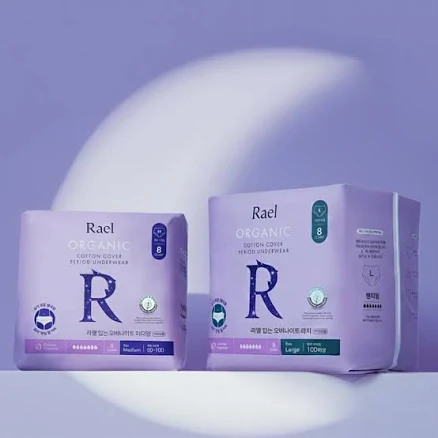
Rael Organic Cotton Cover Period Underwear
Lower concern. Organic cotton base material with no coating disclosed.
Product is organic cotton fabric with gusset lining and no water-repellent finish on record. The brand has no PFAS statement on record.
We flunk more products than we pass. This one earned its grade. How we grade
Material
organic cotton with gusset lining
Brand disclosure
Brand is silent on PFAS
Lab data
No public lab test
What Rael Organic Cotton Cover Period Underwear is made of, ingredients and materials
Rael's period underwear uses certified organic cotton in the outer layers and an unspecified gusset lining material. Organic cotton avoids synthetic pesticide residues and has no hazard of this kind on record for PFAS, making it a chemically simpler choice than conventional cotton or synthetic blends. The gusset lining composition is not publicly detailed; if it contains polyester or synthetic performance fabrics, those carry minimal acute hazard for brief skin contact but warrant confirmation from the brand if you have sensitivity concerns.
What’s concerning
Category baseline
The starting point for this type of product, before anything specific to this product is counted.
No PFAS disclosure
No public statement from the brand about PFAS in this product.
BPA & bisphenols
The gusset lining material is not specified publicly; if it contains polyester or PVC-based synthetic fabric, low levels of phthalate or BPA residues are theoretically possible. Rael does not state the gusset is phthalate-free or BPA-free. Skin contact with underwear linings is brief and indirect, substantially reducing absorption risk compared to food-contact plastics, but sensitive users should
Source, FDA ↗Microbial growth and odor if not dried properly
Period underwear creates a moist microenvironment; inadequate drying or prolonged rewearing without washing may promote bacterial or yeast growth. This is a hygiene and comfort issue rather than a chemical hazard, but moisture-trapping materials increase risk compared to frequent-change pad use. Machine drying or air-dry in sunlight minimizes this concern.
What’s reassuring
Base material not linked to PFAS
The main material recorded for this product is not one associated with PFAS.
Azo dyes and color fastness in organic cotton
Organic cotton certification does not exclude azo dyes during dyeing; Rael does not publicly claim azo-free status. However, no documented cases of azo dye sensitization or leaching from Rael period underwear exist in available records. Standard organic cotton dyes used in apparel-grade production are considered low-migration in brief skin-contact scenarios.
Formaldehyde / VOCs
Organic cotton apparel typically avoids formaldehyde-releasing finishes (wrinkle-resist, water-repel), but Rael does not explicitly confirm formaldehyde-free production. No complaints or recalls citing formaldehyde off-gassing from this product are on record. Wet-washing before use further reduces any residual volatile aldehydes.
Source, ATSDR ↗Antimony in polyester components
If the gusset or elastic contains polyester, trace antimony (a catalyst used in polyester production) is present in virgin material but typically immobilized and not released into skin during normal wear. No data suggests antimony migration from period underwear into the wearer; this hazard is theoretical and low-probability for brief skin contact.
The full breakdown
The brand's record and disclosure
Rael maintains a sustainability-focused public image and uses third-party certifications (organic cotton standard) but does not publicly disclose detailed chemical testing results, flame-retardant-free claims, or formal PFAS statements. No major recalls or safety controversies have been documented for this product line. The brand's silence on chemical composition beyond 'organic cotton' is typical for the direct-to-consumer period-care market but limits independent verification of the gusset material.
How it compares in its category
Period underwear as a category has lower chemical exposure risk than traditional pads (which may contain adhesive chemicals or bleaching residues) because it avoids disposable, bleached, or heavily processed layers. Rael's organic cotton positioning is more transparent than many mass-market brands but less detailed than specialty eco-period-care brands that publish full material sourcing. Compared to synthetic-heavy or chlorine-bleached conventional period underwear, organic cotton reduces pesticide and bleach residue concern significantly.
If you buy it
Wash before first use to remove any manufacturing residue or dust. Machine wash in cold to warm water; avoid high heat and bleach, which are unnecessary for organic cotton and could degrade elastic. Replace when the gusset shows visible thinning, pilling, or odor resistance drops (typically 1-3 years of regular use). If you experience irritation, confirm the gusset material with customer service, as synthetic linings may trigger sensitivity in some users.
What we don’t know
- Basis
- Model estimate, 78% confidence, not a lab result
- Lab test
- None on record for this exact product
- Brand statement
- Rael has made none
Formulations change between production runs, so check the current label. How we grade.
Better-graded alternatives in Period Underwear

Ruby Love
Rubylove First Period Kit +teen Period Underwear
- organic cotton, waterproof backing layer
- A third party reports verifying it as PFAS-free
- Coating degradation and microparticle shedding
2 hazards checked on this product. See all of them.
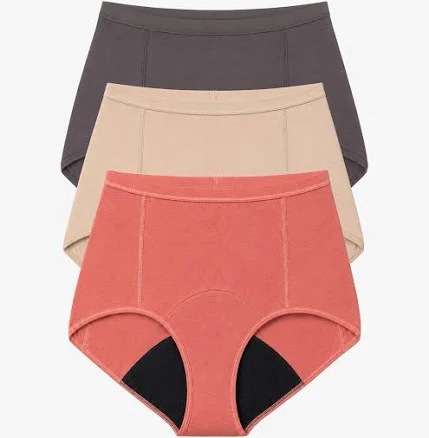
Lunapads
3-Pack BOOST Brief
- organic cotton blend, water-resistant gusset
- The brand calls it PFAS-free, which we have not verified
- Microplastic shedding from water-resistant barrier

Aisle
Super Hipster
- Organic cotton, wood pulp fiber
- The brand calls it PFAS-free, which we have not verified
- Azo dyes and synthetic dyes
2 hazards checked on this product. See all of them.
More period underwear grades
How we score, every product runs through the same public 0-100 rubric based on materials, coatings, brand disclosure, lab findings, and recalls. See the full methodology → Spotted a mistake? Report an error.