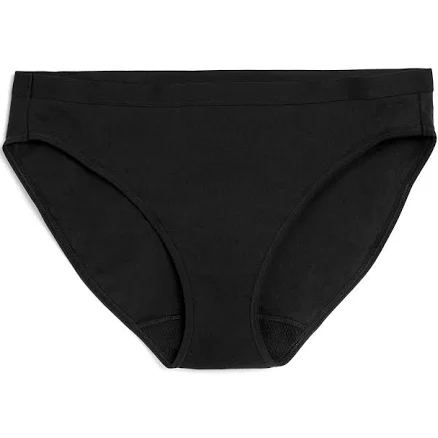
Organic Cotton Period Underwear
Brand PFAS statement on record, which we have not verified.
LOLA says its period underwear and pads are made without PFAS. We record that as an unverified brand claim.
Brand says: “LOLA says its period underwear and pads are made without PFAS.”
We flunk more products than we pass. This one earned its grade. How we grade
Material
organic cotton with gusseted absorbent layer
Brand disclosure
Brand claims PFAS-free
Lab data
No public lab test
You may also be interested in
Top-graded picks in the categories readers replace first, every one scored on the same rubric.

- polypropylene filter housing, carbon/sediment cartridge
- We found no PFAS statement from the brand
- Bacterial growth in spent cartridges
3 hazards checked on this product, all on its full breakdown.

Aquasure
Premier Series 75 GPD Under Sink Reverse Osmosis Water Filtration System
- RO membrane, carbon filters, stainless steel housing
- We found no PFAS statement from the brand
- Bacterial and microbial growth in housing and filters
4 hazards checked on this product, all on its full breakdown.

Avocado
Vegan Mattress
- organic cotton, natural latex, coconut coir, recycled steel coils
- The brand calls it PFAS-free, which we have not verified
- Heavy metals
2 hazards checked on this product, all on its full breakdown.
What Organic Cotton Period Underwear is made of, ingredients and materials
Lola period underwear uses organic cotton as its primary material, which means the cotton was grown without synthetic pesticides or fertilizers. The gusseted absorbent layer construction indicates additional fabric layers in the crotch area to manage menstrual fluid. Organic cotton itself does not contain the persistent chemical additives typical of conventional cotton production, reducing but not eliminating exposure to residual processing chemicals like formaldehyde resins or azo dyes, which can remain in any finished textile regardless of fiber source.
What’s concerning
Category baseline
The starting point for this type of product, before anything specific to this product is counted.
Formaldehyde / VOCs
Organic cotton still undergoes industrial finishing, dyeing, and drying processes that may introduce or retain formaldehyde-based resins. Brand has not disclosed specific finish-free or low-formaldehyde processing standards; washing before use reduces but does not eliminate residual exposure.
Source, ATSDR ↗Azo dyes and synthetic colorants
If Lola uses conventional synthetic dyes (common in textile production even for organic fiber), azo dyes can release aromatic amines under certain conditions. No public disclosure of dye source or restrictions (such as GOTS azo limits) is evident; organic fiber alone does not guarantee safe dyes.
Elastic degradation and microfiber release
The elastic components in waistband and leg openings will degrade with washing and wear, potentially shedding synthetic microfibers. This is a normal aging process in all period underwear; replacement when elasticity visibly fails mitigates prolonged exposure.
Bacterial or fungal retention if improperly laundered
Absorbent fabric layers can retain bacteria or mold if dried incompletely or stored while damp. This is a care issue, not a material defect; proper washing and air-drying protocols prevent accumulation.
What’s reassuring
Brand-stated PFAS-free
The brand states this product is PFAS-free. We have not verified the claim.
Base material not linked to PFAS
The main material recorded for this product is not one associated with PFAS.
Antimicrobial or odor-control treatments
No antimicrobial claims or silver/copper-based treatments are documented for this product. If present, they would require disclosure; absence of public claims suggests none are used, reducing this hazard.
How is this PFAS grade calculated?
The brand's record and disclosure
Lola has made a public PFAS-free claim, which aligns with the product's grading of 95/100 on PFAS safety. The brand has not disclosed specific third-party certifications (such as GOTS, OEKO-TEX, or similar) in widely available public materials, though organic cotton sourcing suggests some supply-chain oversight. No recalls or safety controversies involving Lola period underwear have been established in public records. Transparency on dye sources, finish treatments, and antimicrobial claims (if any) remains limited in brand communications.
How it compares in its category
Organic cotton period underwear occupies a lower-hazard tier within the menstrual product market compared to conventional cotton or synthetic-blend options, since organic cotton production eliminates pesticide residues. The PFAS-free positioning distinguishes this product from competitors that may use water-resistant or moisture-wicking treatments containing PFAS compounds. Period underwear as a category carries lower inherent risk than disposable pads or tampons (which may contain undisclosed additives), though fabric-based products require laundering and therefore greater attention to care.
If you buy it
Wash new underwear before first use to remove any residual dyes or finishes from manufacturing. Machine wash in warm water with standard detergent; avoid bleach and fabric softener, which can degrade absorbency and introduce unnecessary chemicals. Air dry or tumble dry on low heat to prevent heat-related degradation of elastic and absorbent layers. Replace when absorbency noticeably declines (typically after 6-12 months of regular use) or if seams separate, as worn fabric is more prone to bacterial retention.
What is not known about PFAS in this product?
- Basis
- Model estimate, 78% confidence, not a lab result
- Lab test
- None on record for this exact product
- Brand statement
- Lola has made a specific claim
Formulations change between production runs, so check the current label. How we grade.
What are the PFAS-free alternatives to Organic Cotton Period Underwear?

- organic cotton, waterproof backing layer
- A third party reports verifying it as PFAS-free
- Coating degradation and microparticle shedding
2 hazards checked on this product, all on its full breakdown.
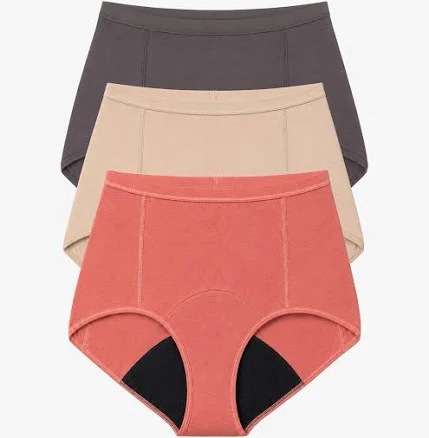
- organic cotton blend, water-resistant gusset
- The brand calls it PFAS-free, which we have not verified
- Microplastic shedding from water-resistant barrier
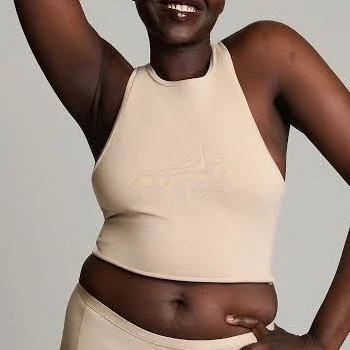
- Organic cotton, wood pulp fiber
- The brand calls it PFAS-free, which we have not verified
- Azo dyes and synthetic dyes
2 hazards checked on this product, all on its full breakdown.
More period underwear grades
How we score, every product runs through the same public 0-100 rubric based on materials, coatings, brand disclosure, lab findings, and recalls. See the full methodology → Spotted a mistake? Report an error.