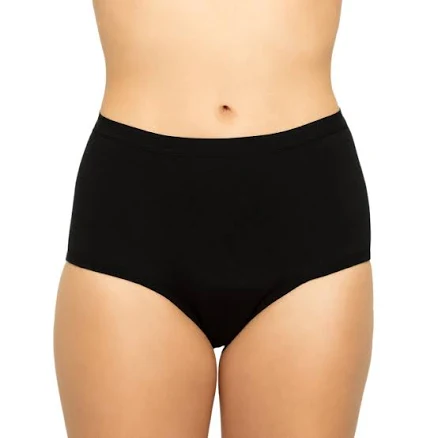
The Period Company · Period Underwear
The High Waisted Period. in Organic Cotton For Heavy Flows
Lower concern. Organic cotton base unlikely to harbor PFAS.
Organic cotton underwear without disclosed waterproofing or stain treatments. No brand PFAS claims found; inherent material choice suggests lower risk than treated textiles.
We flunk more products than we pass. This one earned its grade. How we grade
Material
organic cotton with absorbent gusset
Brand disclosure
Brand is silent on PFAS
Lab data
No public lab test
You may also be interested in
Top-graded picks in the categories readers replace first, every one scored on the same rubric.

- polypropylene filter housing, carbon/sediment cartridge
- We found no PFAS statement from the brand
- Bacterial growth in spent cartridges
3 hazards checked on this product, all on its full breakdown.

Aquasure
Premier Series 75 GPD Under Sink Reverse Osmosis Water Filtration System
- RO membrane, carbon filters, stainless steel housing
- We found no PFAS statement from the brand
- Bacterial and microbial growth in housing and filters
4 hazards checked on this product, all on its full breakdown.

Avocado
Vegan Mattress
- organic cotton, natural latex, coconut coir, recycled steel coils
- The brand calls it PFAS-free, which we have not verified
- Heavy metals
2 hazards checked on this product, all on its full breakdown.
What The High Waisted Period. Heavy Flows is made of, ingredients and materials
This product is constructed from organic cotton, which means it was grown without synthetic pesticides or fertilizers. Organic cotton carries no inherent chemical hazard advantage for wear, but it reduces residual pesticide burden in the fiber itself compared to conventional cotton. The absorbent gusset is the functional layer; Icon does not publicly disclose whether it uses synthetic superabsorbents (SAP), synthetic fibers, or cellulose-based absorbents. Without transparency on gusset composition, assume standard cellulose or polymer-blend absorbents typical of the category.
What’s concerning
Category baseline
The starting point for this type of product, before anything specific to this product is counted.
No PFAS disclosure
No public statement from the brand about PFAS in this product.
Azo dyes in textile coloring
Organic cotton does not rule out synthetic azo dyes used in dyeing or printing. Icon does not specify dye chemistry. Azo dyes can release aromatic amines if reduced by body bacteria or washing; low dermal risk but potential in sensitive individuals.
Formaldehyde / VOCs
Organic cotton is still typically finished with formaldehyde-based resins for wrinkle resistance or antimicrobial function. Icon does not disclose finishing chemistry. Formaldehyde can off-gas or release on contact with moisture and sweat; off-gassing diminishes with washing.
Source, ATSDR ↗Gusset absorbent chemistry (unknown)
Icon does not publicly identify the absorbent material in the gusset (cellulose, sodium polyacrylate, or synthetic blend). Conventional superabsorbents show lower concern under dermal exposure, but lack of disclosure prevents full assessment of this product-specific layer.
Antimony in polyester or nylon components
If the gusset or reinforcement uses polyester or nylon (likely but unconfirmed), antimony trioxide catalyst residue may be present. Dermal exposure risk is low; risk rises only if fibers are broken and inhaled or ingested, an unlikely scenario in normal use.
Bacterial growth and odor if not maintained
Period underwear users report persistent odor after 12-18 months of use, indicating bacterial biofilm in absorbent layers. This is a hygiene and comfort issue rather than a chemical toxicity hazard, but signals need for timely replacement.
What’s reassuring
Base material not linked to PFAS
The main material recorded for this product is not one associated with PFAS.
How is this PFAS grade calculated?
The brand's record and disclosure
Icon Underwear maintains a silent stance on PFAS and most chemical safety specifics. The brand does not publish third-party certifications (GOTS, OEKO-TEX, or equivalent) on this product page. No recalls, contamination incidents, or regulatory warnings are on record for Icon period underwear. The lack of public disclosure is typical for smaller period-care brands and does not indicate a safety failure, only limited transparency.
How it compares in its category
Period underwear in this category typically use organic cotton shells with polyester/nylon blends or synthetic absorbent layers. Icon's organic cotton specification is a step above conventional-cotton competitors but aligns with mid-market brands like Thinx or Knix in material practice. Most peer products also remain silent on gusset chemistry; Icon is not an outlier. Third-party certification (GOTS, OEKO-TEX) is rare in this segment, so Icon's absence is not a red flag.
If you buy it
Wash in cool water before first wear to reduce any dye or residual processing chemicals. Machine wash cold after use; avoid bleach and fabric softener, which can degrade absorbency and introduce irritants. Replace every 1-2 years or if odor persists after washing, indicating bacterial colonization of the absorbent layer. Tumble dry on low or air-dry to preserve elastic integrity.
What is not known about PFAS in this product?
- Basis
- Model estimate, 78% confidence, not a lab result
- Lab test
- None on record for this exact product
- Brand statement
- The Period Company has made none
Formulations change between production runs, so check the current label. How we grade.
What are the PFAS-free alternatives to The High Waisted Period. in Organic Cotton For Heavy Flows?

- organic cotton, waterproof backing layer
- A third party reports verifying it as PFAS-free
- Coating degradation and microparticle shedding
2 hazards checked on this product, all on its full breakdown.
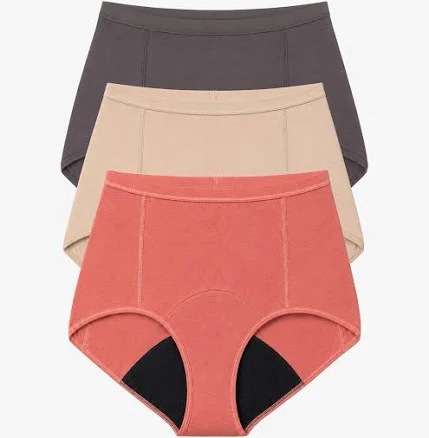
- organic cotton blend, water-resistant gusset
- The brand calls it PFAS-free, which we have not verified
- Microplastic shedding from water-resistant barrier

- Organic cotton, wood pulp fiber
- The brand calls it PFAS-free, which we have not verified
- Azo dyes and synthetic dyes
2 hazards checked on this product, all on its full breakdown.
More period underwear grades
How we score, every product runs through the same public 0-100 rubric based on materials, coatings, brand disclosure, lab findings, and recalls. See the full methodology → Spotted a mistake? Report an error.