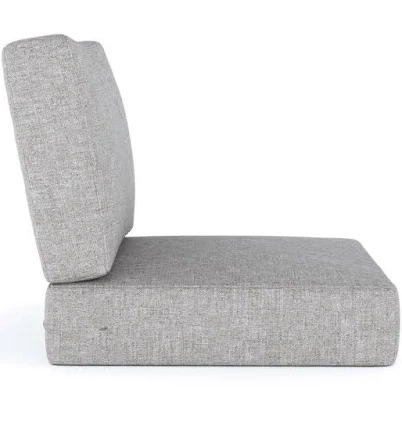
· Outdoor Furniture Cushion Protectants
Lani Outdoor Sunbrella Seat/Back Cushion
Moderate PFAS risk. Outdoor cushion fabric likely treated with PFAS-based water repellents.
Sunbrella-branded outdoor cushions are treated with water-repellent coating finishes to withstand weather, historically relying on PFAS chemistry. The brand provides no disclosure of PFAS content.
The better-graded swap
Blazing Needles
74 in by 19 in Outdoor Solid Polyester Tufted Chaise Lounge Cushion
85/100 safety
Same rubric that flunked this product. The swap earned Excellent.
Still want this one anyway? Check the price on Amazon. We’d swap it.
Material
Sunbrella acrylic fabric with water-repellent coating water-resistant finish
Brand disclosure
Brand is silent on PFAS
Lab data
No public lab test
You may also be interested in
Top-graded picks in the categories readers replace first, every one scored on the same rubric.

- polypropylene filter housing, carbon/sediment cartridge
- We found no PFAS statement from the brand
- Bacterial growth in spent cartridges
3 hazards checked on this product, all on its full breakdown.

Aquasure
Premier Series 75 GPD Under Sink Reverse Osmosis Water Filtration System
- RO membrane, carbon filters, stainless steel housing
- We found no PFAS statement from the brand
- Bacterial and microbial growth in housing and filters
4 hazards checked on this product, all on its full breakdown.

Avocado
Vegan Mattress
- organic cotton, natural latex, coconut coir, recycled steel coils
- The brand calls it PFAS-free, which we have not verified
- Heavy metals
2 hazards checked on this product, all on its full breakdown.
What Lani Outdoor Sunbrella Seat/Back Cushion is made of, ingredients and materials
Sunbrella is a solution-dyed acrylic fabric, meaning pigment is built into the fiber rather than applied as a surface coating. This construction makes it inherently UV and fade resistant without relying on applied dyes or topical treatments prone to degradation. However, Sunbrella cushions are treated with a water-repellent coating (water-repellent coating) finish to achieve water shedding, this finish is where PFAS exposure risk is concentrated. The cushion core is typically polyurethane foam, which can off-gas volatile organic compounds (VOCs) when new or exposed to heat.
What’s concerning
No PFAS disclosure
No public statement from the brand about PFAS in this product.
Category baseline
The starting point for this type of product, before anything specific to this product is counted.
Waterproof / stain-resistant treatment
Water-repellent coating treatments have historically used PFAS.
PFAS
Sunbrella's water-repellent coating treatment is proprietary and not disclosed; outdoor acrylic cushions are commonly treated with PFOA or PFOS alternatives. The brand's silence on this chemistry is a red flag. Risk is primarily hand contact and minor ingestion of residue on skin or if fabric contacts food.
Source, ATSDR ↗VOC off-gassing from polyurethane foam core
Polyurethane foam in cushions can emit volatile organic compounds, particularly when new or heated. Outdoor exposure and weathering accelerate off-gassing. Risk is respiratory irritation if used in enclosed spaces or very close to face; outdoor use minimizes this significantly.
water-repellent coating finish degradation and leaching
Water-repellent coatings on textiles break down under UV, moisture, and mechanical stress over time, releasing residual treatment chemistry into rinse water and the environment. This is documented in textile durability literature but not specifically recalled for cushions.
Mold and bacterial growth if poorly maintained
Cushion foam absorbs moisture and retains it if not dried promptly, creating conditions for mold, mildew, and pathogenic bacteria. This is not a manufacturing defect but a use hazard; proper storage and ventilation mitigate risk.
What’s reassuring
Azo dyes in acrylic fiber (unlikely but possible in trim/backing)
Sunbrella's solution-dyed acrylic fiber itself does not use azo dyes; however, any piping, zipper, or backing material may use conventional dyes. No specific safety data or recalls exist for the brand's Sunbrella cushions on this front, but trim composition is not disclosed.
How is this PFAS grade calculated?
The brand's record and disclosure
The brand does not publicly disclose water-repellent coating chemistry, PFAS content, or third-party certifications for outdoor textiles. The brand has not signed the ZDHC Gateway pledge or committed to PFAS phase-out in production. No recalls or safety controversies specific to this cushion line are on record. This silence is notable given that competitors like Pottery Barn and higher-tier outdoor brands increasingly specify PFAS-free or certified-safer water treatments.
How it compares in its category
Sunbrella-branded cushions are mid-to-premium in outdoor durability and fade resistance; the fabric itself is genuinely long-lasting (5-10 years typical). However, many outdoor cushion makers now offer PFAS-free water-repellent coating alternatives using wax-based or newer fluorine-free chemistry, which the brand does not advertise. Comparable Sunbrella cushions from other retailers carry the same water-repellent coating risk but sometimes with clearer material sourcing. Budget alternatives often use lower-grade acrylic or polyester with faster degradation but potentially lower PFAS intensity.
If you buy it
Store cushions indoors or under cover during off-season to extend the water-repellent coating finish and reduce UV breakdown. Avoid machine washing; use mild soap and hose rinse only, as aggressive cleaning can degrade the water-repellent coating and release more leachates. Replace cushions if foam compresses visibly, fabric tears, or mold develops despite cleaning, as degraded foam and compromised barriers increase leaching risk. Plan for replacement every 5-7 years in high-UV climates or with heavy use; monitor for any chemical odor, which may indicate VOC off-gassing from foam.
What is not known about PFAS in this product?
- Basis
- Model estimate, 42% confidence, not a lab result
- Lab test
- None on record for this exact product
- Brand statement
- has made none
Formulations change between production runs, so check the current label. How we grade.
What are the PFAS-free alternatives to Lani Outdoor Sunbrella Seat/Back Cushion?
Blazing Needles
74 in by 19 in Outdoor Solid Polyester Tufted Chaise Lounge Cushion
- Polyester fill with polyester cover
- We found no PFAS statement from the brand
- Azo dyes in polyester textiles
2 hazards checked on this product, all on its full breakdown.
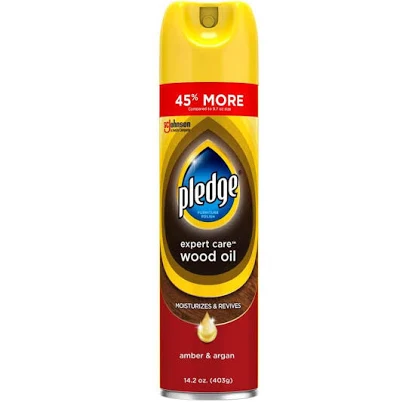
- mineral oil, argan oil blend
- We found no PFAS statement from the brand
- Fragrance allergens and undisclosed components
4 hazards checked on this product, all on its full breakdown.
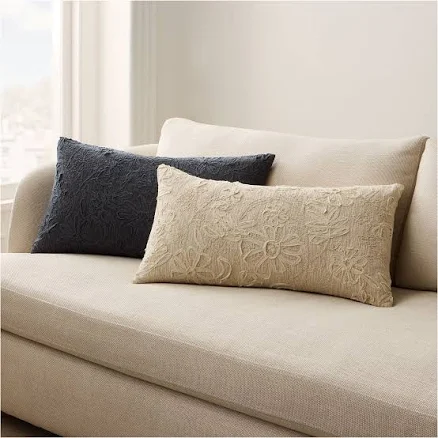
- 100% cotton canvas
- Azo dyes and dye contamination
3 hazards checked on this product, all on its full breakdown.
More outdoor furniture cushion protectants grades
How we score, every product runs through the same public 0-100 rubric based on materials, coatings, brand disclosure, lab findings, and recalls. See the full methodology → Spotted a mistake? Report an error.