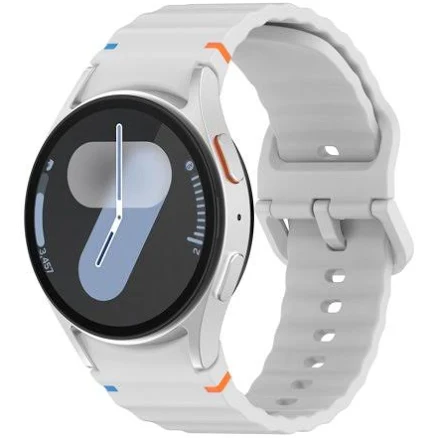
Samsung · Water-Resistant Smart Rings & Bands
Samsung Galaxy Ultra/Ultra 2 Adjustable Soft Silicone Watch Bands
Lower concern. Silicone bands typically avoid PFAS, but Samsung provides no disclosure.
Soft silicone watch bands are naturally lower-risk materials unlikely to contain PFAS. Samsung makes no PFAS claims or certifications, but the material itself poses minimal concern versus treated fabrics.
The better-graded swap
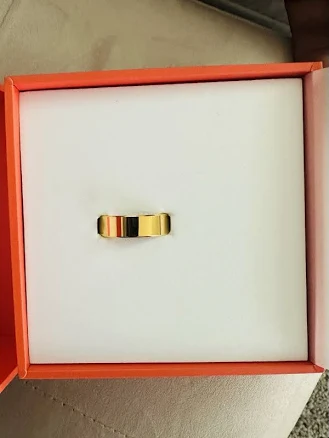
H Wear
H Wear Pro Smart Ring Fitness Tracker - Size 10, Gold
85/100 safety
Same rubric that flunked this product. The swap earned Excellent.
Still want this one anyway? Check the price on Amazon. We’d swap it.
Material
Soft silicone elastomer
Lab data
No public lab test
You may also be interested in
Top-graded picks in the categories readers replace first, every one scored on the same rubric.

- polypropylene filter housing, carbon/sediment cartridge
- We found no PFAS statement from the brand
- Bacterial growth in spent cartridges
3 hazards checked on this product, all on its full breakdown.

Aquasure
Premier Series 75 GPD Under Sink Reverse Osmosis Water Filtration System
- RO membrane, carbon filters, stainless steel housing
- We found no PFAS statement from the brand
- Bacterial and microbial growth in housing and filters
4 hazards checked on this product, all on its full breakdown.

Avocado
Vegan Mattress
- organic cotton, natural latex, coconut coir, recycled steel coils
- The brand calls it PFAS-free, which we have not verified
- Heavy metals
2 hazards checked on this product, all on its full breakdown.
What Samsung Galaxy Ultra/Ultra 2 Watch Bands is made of, ingredients and materials
Samsung Galaxy Ultra watch bands are soft silicone elastomers, a synthetic rubber polymer chosen for comfort and durability on wrist-worn devices. Silicone does not naturally contain heavy metals, formaldehyde resins, or azo dyes commonly found in textiles or other elastomeric bands. The material's stability means it resists degradation from skin oils, sweat, and repeated flexing, reducing leaching risk during normal wear.
What’s concerning
No PFAS disclosure
No public statement from the brand about PFAS in this product.
Category baseline
The starting point for this type of product, before anything specific to this product is counted.
Skin sensitization or allergic contact dermatitis
Silicone bands are hypoallergenic relative to rubber or polyurethane, but rare individuals report mild irritation from prolonged contact or trapped sweat. Risk is user-dependent and minimized by regular cleaning.
Microplastic shedding
Long-term wear and flexing can cause microscopic silicone particle release, though silicone is not classified as a persistent microplastic like polyester or polyethylene. Clinical significance is unknown.
What’s reassuring
Base material not linked to PFAS
The main material recorded for this product is not one associated with PFAS.
Volatile organic compounds (VOCs) from silicone off-gassing
Medical-grade and consumer silicone elastomers used in wearables are formulated to minimize volatile monomer release. No documented off-gassing complaints or test data exist for Galaxy Ultra bands specifically.
Heavy metals
Silicone band dyes are typically non-toxic organic pigments or inorganic iron oxides; Samsung does not disclose suppliers but no recalls or reports of cadmium, lead, or chromium in these bands exist.
Source, FDA ↗Flame retardants
Silicone elastomers do not require flame retardant additives due to inherent thermal stability. No evidence suggests Samsung adds halogenated or other flame retardants to these bands.
Source, EPA ↗How is this PFAS grade calculated?
The brand's record and disclosure
Samsung has not published material safety datasheets or third-party certifications (such as Oeko-Tex or GOTS) for Galaxy watch bands, which is standard for wearable accessory makers but not legally required. The company has faced no public recalls or safety complaints linked to these silicone bands as of available records. Samsung's broader corporate PFAS stance remains opaque, though its consumer electronics typically comply with regional regulations (EU, California) without voluntary transparency beyond minimums.
How it compares in its category
Silicone watch bands show lower concern for off-gassing volatile organic compounds or harboring flame retardants compared to polyurethane, neoprene, or rubber alternatives. Samsung's bands are comparable in composition to generic third-party silicone bands sold for the same device; no material advantage or disadvantage vs. OEM competitors from Apple or Garmin exists based on available information. Cost and fit are the primary differentiators, not safety profile.
If you buy it
Wash silicone bands monthly with mild soap and warm water to remove sweat and skin cells that can degrade the surface over time. Avoid prolonged exposure to direct sunlight or high heat (above 60°C), which can cause discoloration or micro-cracking, though not acute toxicity. Replace bands if visible cracks, stickiness, or odor develop, as these indicate polymer degradation. Standard care ensures the band remains inert throughout its typical 1-3 year lifespan.
What is not known about PFAS in this product?
- Basis
- Model estimate, 72% confidence, not a lab result
- Lab test
- None on record for this exact product
- Brand statement
- Samsung has made a specific claim
Formulations change between production runs, so check the current label. How we grade.
More water-resistant smart rings & bands grades
How we score, every product runs through the same public 0-100 rubric based on materials, coatings, brand disclosure, lab findings, and recalls. See the full methodology → Spotted a mistake? Report an error.