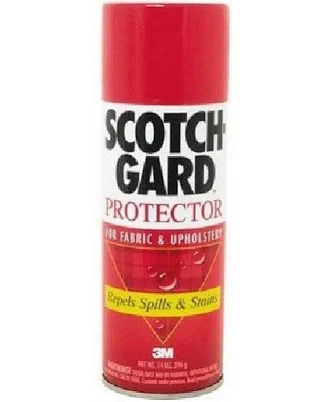
Scotchgard · Outdoor Furniture Cushion Protectants
3M_4101D_10OZ_SPRAY_SCOTCHGARD_FABRIC_AND_UPHOLSTERY_PROTECTOR_17228
Wait until 3M reveals coating chemistry or confirms PFAS-free.
3M's Scotchgard fabric protector keeps its stain and water-resistant chemistry under wraps. 3M's past use of PFAS in similar products plus lack of openness warrant caution.
The better-graded swap
Blazing Needles
74 in by 19 in Outdoor Solid Polyester Tufted Chaise Lounge Cushion
85/100 safety
Same rubric that flunked this product. The swap earned Excellent.
Still want this one anyway? Check the price on Amazon. We’d swap it.
Material
Proprietary fabric/upholstery protector coating
Lab data
No public lab test
You may also be interested in
Top-graded picks in the categories readers replace first, every one scored on the same rubric.

- polypropylene filter housing, carbon/sediment cartridge
- We found no PFAS statement from the brand
- Bacterial growth in spent cartridges
3 hazards checked on this product, all on its full breakdown.

Aquasure
Premier Series 75 GPD Under Sink Reverse Osmosis Water Filtration System
- RO membrane, carbon filters, stainless steel housing
- We found no PFAS statement from the brand
- Bacterial and microbial growth in housing and filters
4 hazards checked on this product, all on its full breakdown.

Avocado
Vegan Mattress
- organic cotton, natural latex, coconut coir, recycled steel coils
- The brand calls it PFAS-free, which we have not verified
- Heavy metals
2 hazards checked on this product, all on its full breakdown.
What 3M_4101D_10OZ_SPRAY_SCOTCHGARD_FABRIC_AND_ is made of, ingredients and materials
Scotchgard fabric protector is a proprietary spray coating designed to repel liquids and oils from upholstery and soft furnishings. 3M has not publicly disclosed the full chemical formula, but historical Scotchgard formulations relied on fluorinated compounds (PFAS) as the active water and stain-repelling agent. The 10 oz aerosol format means the product is applied as a fine mist, increasing inhalation exposure risk during and immediately after spraying.
What’s concerning
Category baseline
The starting point for this type of product, before anything specific to this product is counted.
Vague safety claims only
Uses vague language ("eco-friendly", "clean") without a specific PFAS statement.
Waterproof / stain-resistant treatment
Water-repellent coating treatments have historically used PFAS.
PFAS
3M has not publicly confirmed or denied PFAS content in current 4101D formula. Historical Scotchgard products used PFOA; successor chemistry remains undisclosed. Risk depends on whether reformulation to non-fluorinated repellents occurred post-2000s phase-out.
Source, ATSDR ↗Inhalation exposure during spraying
Aerosol fabric protectors carry inherent inhalation risk. 3M product labels advise ventilation, but repeated or poorly ventilated application can expose user to propellants and active ingredients. Specific toxicology data for 4101D inhalation is not publicly detailed.
Volatile organic compounds (VOCs) off-gassing
Spray-applied fabric coatings typically contain solvents and propellants that off-gas during drying. Untreated furniture already off-gasses VOCs; Scotchgard application may add to that burden. Duration is typically 24-48 hours if ventilation is adequate.
Allergic or irritation response to fragrance or biocides
Fabric protectors may contain masking fragrance or antimicrobial agents to prevent mold on treated upholstery. 3M does not list specific fragrance components. Sensitive individuals (asthma, multiple chemical sensitivity) may experience irritation.
What’s reassuring
Formaldehyde / VOCs
No public record of formaldehyde in Scotchgard fabric protectors. Formaldehyde is more common in rigid coatings (enamels, hard finishes) than soft fabric treatments. Unlikely but not ruled out without ingredient disclosure.
Source, ATSDR ↗How is this PFAS grade calculated?
The brand's record and disclosure
3M has a documented history with PFAS-based Scotchgard products. In the early 2000s, the company phased out legacy PFOA-based formulas after environmental and health concerns emerged, but has remained opaque about what replaced it in current products. 3M has not published ingredient lists, safety data sheets detailing PFAS status, or third-party certification (such as GOTS or bluesign) for this specific product. This silence is a major red flag in an era when competitors have begun disclosing or eliminating PFAS entirely.
How it compares in its category
Fabric protector sprays occupy a niche market; most alternatives either use non-fluorinated silicone-based repellents, natural wax formulations, or are simply omitted by consumers. Brands like Granger's and Nikwax market explicitly PFAS-free fabric treatments. Scotchgard remains the market leader by brand recognition, but its lack of transparency puts it at a disadvantage relative to competitors willing to disclose chemistry and pursue PFAS-free or low-PFAS certification.
If you buy it
Apply only in well-ventilated outdoor spaces or open garages; avoid inhalation of spray mist and do not use in bedrooms or enclosed living areas. Allow treated fabric to dry fully (typically 24-48 hours) before contact. Reapply every 6-12 months depending on wear and washing frequency. Store in a cool, dry place away from heat and open flame. If PFAS exposure is a known concern for your household (e.g., you live near contaminated water sources or have high baseline PFAS levels), consider non-fluorinated alternatives instead.
What is not known about PFAS in this product?
- Basis
- Model estimate, 35% confidence, not a lab result
- Lab test
- None on record for this exact product
- Brand statement
- Scotchgard has made a specific claim
Formulations change between production runs, so check the current label. How we grade.
What are the PFAS-free alternatives to 3M_4101D_10OZ_SPRAY_SCOTCHGARD_FABRIC_AND_UPHOLSTERY_PROTECTOR_17228?
Blazing Needles
74 in by 19 in Outdoor Solid Polyester Tufted Chaise Lounge Cushion
- Polyester fill with polyester cover
- We found no PFAS statement from the brand
- Azo dyes in polyester textiles
2 hazards checked on this product, all on its full breakdown.
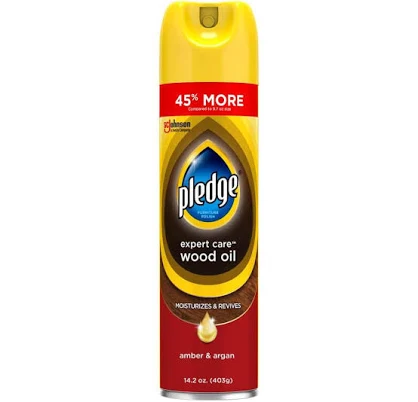
- mineral oil, argan oil blend
- We found no PFAS statement from the brand
- Fragrance allergens and undisclosed components
4 hazards checked on this product, all on its full breakdown.

- 100% cotton canvas
- Azo dyes and dye contamination
3 hazards checked on this product, all on its full breakdown.
More outdoor furniture cushion protectants grades
How we score, every product runs through the same public 0-100 rubric based on materials, coatings, brand disclosure, lab findings, and recalls. See the full methodology → Spotted a mistake? Report an error.