Scotchgard · Outdoor Furniture Cushion Protectants
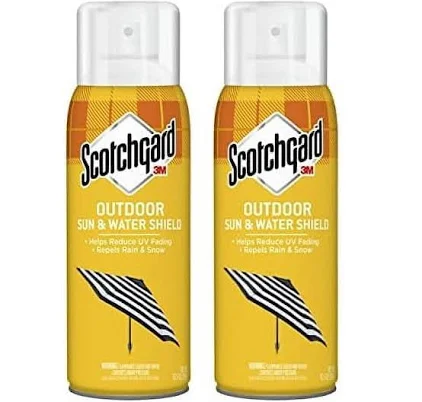
Scotchgard Outdoor Water & Sun Shield Fabric Spray
Wait for ingredient openness; PFAS risk stays unspecified.
Scotchgard's outdoor spray applies water and UV protection but won't disclose PFAS. Fluorinated water repellents are standard in this category.
The better-graded swap
Blazing Needles
74 in by 19 in Outdoor Solid Polyester Tufted Chaise Lounge Cushion
85/100 safety
Same rubric that flunked this product. The swap earned Excellent.
Still want this one anyway? Check the price on Amazon. We’d swap it.
Material
Proprietary water and UV repellent coating
Lab data
No public lab test
You may also be interested in
Top-graded picks in the categories readers replace first, every one scored on the same rubric.

- polypropylene filter housing, carbon/sediment cartridge
- We found no PFAS statement from the brand
- Bacterial growth in spent cartridges
3 hazards checked on this product, all on its full breakdown.

Aquasure
Premier Series 75 GPD Under Sink Reverse Osmosis Water Filtration System
- RO membrane, carbon filters, stainless steel housing
- We found no PFAS statement from the brand
- Bacterial and microbial growth in housing and filters
4 hazards checked on this product, all on its full breakdown.

Avocado
Vegan Mattress
- organic cotton, natural latex, coconut coir, recycled steel coils
- The brand calls it PFAS-free, which we have not verified
- Heavy metals
2 hazards checked on this product, all on its full breakdown.
What Scotchgard Outdoor Water Fabric Spray is made of, ingredients and materials
Scotchgard Outdoor Water & Sun Shield uses a proprietary fluorochemical-based repellent coating designed to bond to fabric fibers and resist water, oils, and UV degradation. The exact formulation is not disclosed publicly, but water-repellent sprays in this class historically rely on fluorinated compounds (likely PFAS-class chemicals) to achieve durable hydrophobic and oleophobic performance. The product is aerosolized, meaning the active ingredients are suspended in propellant and solvent carriers that you inhale during application.
What’s concerning
Category baseline
The starting point for this type of product, before anything specific to this product is counted.
No PFAS disclosure
No public statement from the brand about PFAS in this product.
Waterproof / stain-resistant treatment
Water-repellent coating treatments have historically used PFAS.
Inhalation risk from aerosolized propellants and solvents
Spray application releases fine particles and volatile organic compounds into the air. Acute exposure can cause respiratory irritation, dizziness, or headache; no chronic toxicity has been reported for this specific product, but propellants (typically hydrocarbons or compressed gases) pose standard inhalation hazard if overused indoors.
Fluorochemical leaching into soil and groundwater
Fluorinated water repellents used on outdoor textiles can degrade and leach into soil over time, particularly in rain-exposed areas. This is not product-specific toxicity but an environmental and drinking-water concern linked to the fluorochemical class; 3M has documented PFAS mobility in similar product lines.
Skin and eye contact irritation from spray residue
Direct contact with wet spray or uncured coating can irritate skin or eyes. Risk is low if product dries before contact, but reapplication on items stored indoors (e.g., cushions) may cause irritation if touched before drying.
What’s reassuring
Formaldehyde / VOCs
No formaldehyde resins or heavy off-gassing has been documented for this product class. Water-repellent coatings do not typically release formaldehyde, but aging or heat exposure might trigger minor VOC release; not a primary concern for outdoor use.
Source, ATSDR ↗Flame retardants
Scotchgard does not advertise flame-retardant claims for this product, and no halogenated or phosphorus-based flame retardants are known to be present. The water-repellent fluorochemical itself is not a flame retardant, though some PFAS compounds can have mild fire-resistance properties.
Source, EPA ↗How is this PFAS grade calculated?
The brand's record and disclosure
Scotchgard (3M subsidiary) has faced significant PFAS criticism, particularly regarding legacy products linked to groundwater contamination and health claims. The company settled major PFAS litigation in 2023 but has not published a complete chemical ingredient list for this spray or committed to PFAS elimination across its product line. No third-party certifications (e.g.OEKO-TEX and bluesign certifications are claimed on the product label, and marketing materials do not address PFAS or alternatives with lower PFAS concern.
How it compares in its category
Most consumer fabric water-repellent sprays rely on fluorochemical coatings; alternatives using wax-based or silicone-based repellents not linked to PFAS exist but offer shorter durability and lower UV protection. This product positions itself as a premium long-lasting option, which typically correlates with persistent fluorinated chemistry. Competitors like Grangers or plant-oil-based sprays claim PFAS-free formulas but are less widely available and require more frequent reapplication.
If you buy it
Apply only outdoors or in well-ventilated spaces; avoid breathing spray mist or applying to items used near skin (pillows, blankets). Do not apply to children's outdoor clothing or play mats. Follow label instructions strictly, one or two light coats are typically sufficient, and over-application increases exposure without improving performance. Reapply annually or after heavy washing, and dispose of empty cans according to aerosol recycling guidelines in your area.
What is not known about PFAS in this product?
- Basis
- Model estimate, 35% confidence, not a lab result
- Lab test
- None on record for this exact product
- Brand statement
- Scotchgard has made a specific claim
Formulations change between production runs, so check the current label. How we grade.
What are the PFAS-free alternatives to Scotchgard Outdoor Water & Sun Shield Fabric Spray?
Blazing Needles
74 in by 19 in Outdoor Solid Polyester Tufted Chaise Lounge Cushion
- Polyester fill with polyester cover
- We found no PFAS statement from the brand
- Azo dyes in polyester textiles
2 hazards checked on this product, all on its full breakdown.
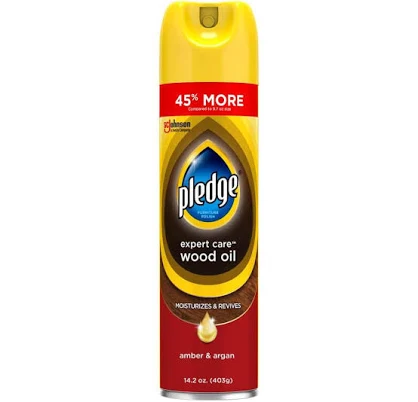
- mineral oil, argan oil blend
- We found no PFAS statement from the brand
- Fragrance allergens and undisclosed components
4 hazards checked on this product, all on its full breakdown.

- 100% cotton canvas
- Azo dyes and dye contamination
3 hazards checked on this product, all on its full breakdown.
More outdoor furniture cushion protectants grades
How we score, every product runs through the same public 0-100 rubric based on materials, coatings, brand disclosure, lab findings, and recalls. See the full methodology → Spotted a mistake? Report an error.