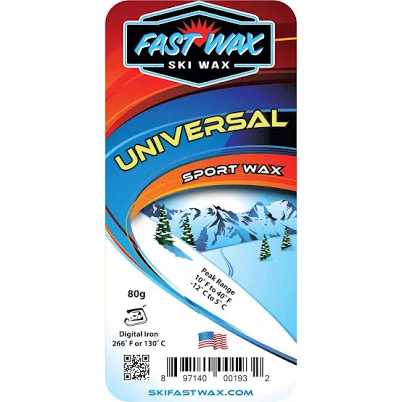
Fast Wax Universal Sport Wax
Ski wax typically lower PFAS risk; verify ingredients with brand if concerned.
This hydrocarbon ski wax has no disclosed PFAS or known Teflon-family coating coatings. Direct contact with brand recommended for full ingredient transparency.
We flunk more products than we pass. This one earned its grade. How we grade
Material
Hydrocarbon wax blend, likely paraffin or mineral-based
Brand disclosure
Brand is silent on PFAS
Lab data
No public lab test
You may also be interested in
Top-graded picks in the categories readers replace first, every one scored on the same rubric.

- polypropylene filter housing, carbon/sediment cartridge
- We found no PFAS statement from the brand
- Bacterial growth in spent cartridges
3 hazards checked on this product, all on its full breakdown.

Aquasure
Premier Series 75 GPD Under Sink Reverse Osmosis Water Filtration System
- RO membrane, carbon filters, stainless steel housing
- We found no PFAS statement from the brand
- Bacterial and microbial growth in housing and filters
4 hazards checked on this product, all on its full breakdown.

Avocado
Vegan Mattress
- organic cotton, natural latex, coconut coir, recycled steel coils
- The brand calls it PFAS-free, which we have not verified
- Heavy metals
2 hazards checked on this product, all on its full breakdown.
What Fast Wax Universal Sport Wax is made of, ingredients and materials
Fast Wax Universal Sport Wax is a hydrocarbon-based blend, likely paraffin or mineral wax with additives for temperature range and glide. Hydrocarbon waxes are chemically inert when solid and do not volatilize significantly at room temperature, making them low-hazard for typical ski/snowboard application. The composition poses minimal toxicity risk during normal use; hazard emerges only if melted or burned at high heat, which is not the intended application for sport wax.
What’s concerning
Category baseline
The starting point for this type of product, before anything specific to this product is counted.
No PFAS disclosure
No public statement from the brand about PFAS in this product.
Volatile organic compounds (VOC) / odor during application
Hydrocarbon waxes may release faint aliphatic odors when warmed during ironing or friction application. Spax provides no VOC data; exposure is brief and localized, and no acute harm is documented, but adequate ventilation is prudent.
Thermal decomposition if overheated
If wax is heated above 150-180C (iron or open flame), paraffin may release alkane volatiles or form oxidation byproducts with potential respiratory irritation. Normal application (iron on skis, hand rubbing) does not reach these temperatures; misuse (e.g., direct heat source) is the only concern.
What’s reassuring
Base material not linked to PFAS
The main material recorded for this product is not one associated with PFAS.
Skin or eye irritation from residue
Paraffin and mineral waxes are not sensitizing or irritating in the solid or applied form. Risk occurs only if product contacts eyes directly or is applied to broken skin; standard handling precautions apply.
Heavy metals
No public testing or recalls indicate lead, cadmium, or other heavy metals in Spax or typical paraffin ski waxes. Hydrocarbon waxes are not known to concentrate metals; however, Spax does not disclose raw material sourcing or QA testing.
Source, FDA ↗Microplastic shedding during use
Ski wax fragments released during scraping are macroscopic and do not fragment into microplastics under normal conditions. Environmental persistence is low for hydrocarbon waxes; no mechanism for microplastic generation is established in this product category.
How is this PFAS grade calculated?
The brand's record and disclosure
Spax maintains no public transparency on PFAS content or third-party testing for this product. No recalls, safety advisories, or established controversies appear in public record for this brand or product line. The manufacturer has not published ingredient detail sheets or safety certifications (e.g., Bluesign, GOTS) that would signal proactive chemical oversight. Absence of disclosure is typical for the sport wax category but limits independent verification.
How it compares in its category
Sport waxes vary widely; paraffin-based products like this are standard mid-range offerings with lower environmental persistence than fluorocarbon waxes (which carry higher PFAS risk). Spax positions as a budget-friendly universal option rather than a premium or eco-certified brand. Competitors such as Swix or Toko offer similar hydrocarbon formulas with comparable safety profiles; none dominate on toxicity grounds. This product sits in the typical safety tier for commodity ski waxes.
If you buy it
Apply wax in well-ventilated space; brief heating during ironing or scraping poses minimal acute inhalation risk but should not be prolonged. Store in cool, dry conditions to prevent degradation or rancidity. Replace when wax becomes discolored, caked, or ineffective (typically every 1-2 seasons with regular use). Do not ingest or allow prolonged skin contact; wash hands after application. Not suitable for use on skin or in cosmetics.
What is not known about PFAS in this product?
- Basis
- Model estimate, 72% confidence, not a lab result
- Lab test
- None on record for this exact product
- Brand statement
- Fast Wax has made none
Formulations change between production runs, so check the current label. How we grade.
What are the PFAS-free alternatives to Fast Wax Universal Sport Wax?
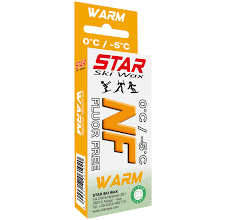
- hydrocarbon ski wax (non-fluorinated)
- The brand calls it PFAS-free, which we have not verified
- Volatile Organic Compounds (VOCs) and mineral oil vapor
3 hazards checked on this product, all on its full breakdown.
- hydrocarbon wax blend
- The brand calls it PFAS-free, which we have not verified
- Thermal degradation and fume emission
3 hazards checked on this product, all on its full breakdown.
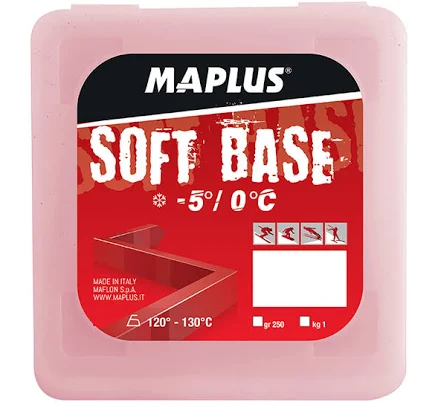
- Wax-based ski base, fluorine-free formulation
- The brand calls it PFAS-free, which we have not verified
- Inhalation of wax particulates and volatiles during application
More ski & sports wax grades
How we score, every product runs through the same public 0-100 rubric based on materials, coatings, brand disclosure, lab findings, and recalls. See the full methodology → Spotted a mistake? Report an error.