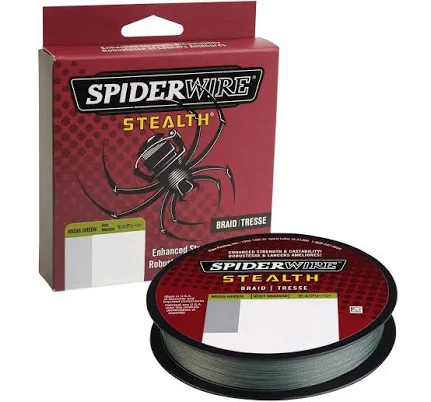
Berkley Spiderwire Stealth Braided Superline
Skip until the manufacturer discloses coating composition.
This braided fishing line uses polyethylene or nylon with an unspecified coating, and SpiderWire provides no PFAS disclosure. The coating composition remains unclear, raising questions about Teflon-family coating use.
The better-graded swap
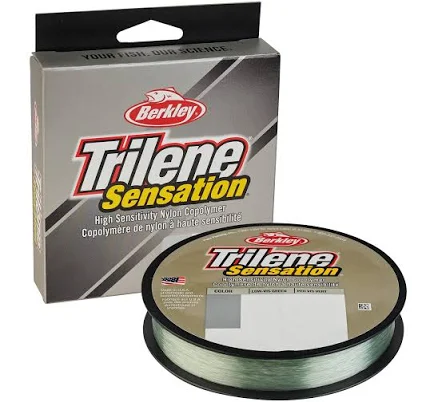
Berkley
Berkley Trilene Sensation
85/100 safety
Same rubric that flunked this product. The swap earned Excellent.
Still want this one anyway? Check the price on Amazon. We’d swap it.
Material
Braided polyethylene / nylon with unspecified coating or finish
Brand disclosure
Brand is silent on PFAS
Lab data
No public lab test
What Berkley Spiderwire Stealth Braided is made of, ingredients and materials
Spiderwire Stealth is a braided polyethylene (PE) or nylon blend core with an unspecified finish or coating applied to reduce visibility and improve handling. The coating composition is not disclosed by the manufacturer, which is the primary concern, braided PE and nylon themselves are inert in fresh or saltwater, but any surface treatment could harbor PFAS, heavy metals, or slip agents not listed on packaging. Without that coating data, risk assessment is incomplete.
What’s concerning
Category baseline
The starting point for this type of product, before anything specific to this product is counted.
No PFAS disclosure
No public statement from the brand about PFAS in this product.
Unknown / proprietary coating
A coating is recorded with no disclosed chemistry.
PFAS
Spiderwire does not disclose what finish or slip agent coats the braided core. Possible additives include silicones, waxes, or colorant packages; none typically pose acute toxicity, but long-term stability and potential microleaching into water are unassessed.
Source, ATSDR ↗Microplastic shedding during use
Braided PE lines fray and degrade over time, especially after snagging or UV exposure, releasing microscopic fibers into freshwater and marine environments. This is an environmental concern rather than a direct consumer health risk, but fragments can accumulate on hands and skin.
Dermal irritation from additives
Some users with sensitive skin report mild irritation or redness after prolonged handling of braided lines, likely from slip agents, UV stabilizers, or colorants on the coating. Risk is low and occurs only in susceptible individuals.
Degradation and leaching over storage
PE and nylon are stable polymers, but unspecified coatings may leach additives into tackle boxes or directly into water if stored damp. Longevity and chemical stability of the coating are unvalidated by the brand.
What’s reassuring
Heavy metals
No recalls or test data on record for lead, cadmium, or antimony in Spiderwire products. Industrial fishing line colorants are typically organic dyes or titanium dioxide, not heavy metal based, but manufacturer confirmation is absent.
Source, FDA ↗The full breakdown
The brand's record and disclosure
Spiderwire (owned by Berkley, part of Pure Fishing) does not publicly disclose fishing line coating formulations or PFAS testing results. The brand has not faced major product safety recalls for toxicity in this product line according to public records. Industry-wide, fishing line manufacturers rarely provide detailed chemical transparency, making Spiderwire typical in its silence rather than exceptional in its disclosure.
How it compares in its category
Braided PE lines like Stealth are standard performance products; competitors (Shimano, Daiwa, Power Pro) maintain similar opacity on coating chemistry. Monofilament alternatives (single-strand nylon) also lack coating details but represent a simpler material baseline. None of the major fishing line brands have committed to PFAS-free or transparent coating standards, so Spiderwire occupies the mainstream norm rather than a high or low-risk pole.
If you buy it
Store in a cool, dry place away from direct sunlight to slow degradation of any polymeric coating; UV exposure can cause nylon and PE to degrade and potentially leach additives over years. Replace spools every 1-2 seasons or after heavy use, as braided lines degrade faster than monofilament and any worn coating fragments are not a swallowing risk for humans but represent end-of-life replacement triggers. Wash hands after handling if you have sensitive skin, as additives in the coating can cause mild irritation in rare cases. Do not expose to extreme heat (e.g., leave in direct sun in a hot car).
What we don’t know
- Basis
- Model estimate, 45% confidence, not a lab result
- Lab test
- None on record for this exact product
- Brand statement
- Spiderwire has made none
Formulations change between production runs, so check the current label. How we grade.
Better-graded alternatives in Fishing Line
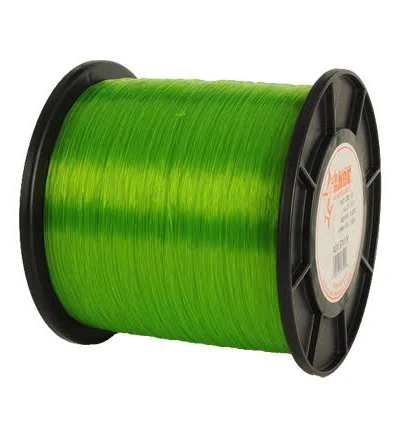
Ande
Monofilament
- Monofilament nylon fishing line
- We found no PFAS statement from the brand
- Microplastic shedding during use
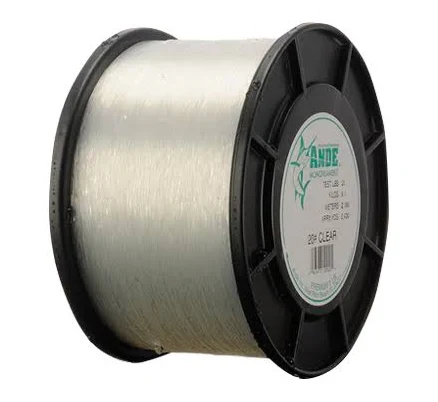
Ande
Premium Monofilament (Bulk) 100LB BY THE YARD
- Monofilament nylon fishing line
- We found no PFAS statement from the brand
- Microplastic fragmentation
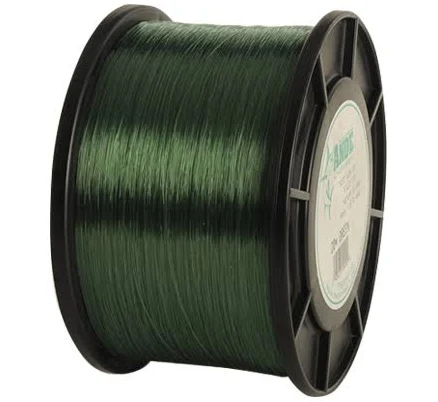
Ande
Premium Green 1/4 Spool
- Monofilament nylon fishing line
- We found no PFAS statement from the brand
- UV degradation and polymer brittleness
2 hazards checked on this product. See all of them.
More fishing line grades
How we score, every product runs through the same public 0-100 rubric based on materials, coatings, brand disclosure, lab findings, and recalls. See the full methodology → Spotted a mistake? Report an error.