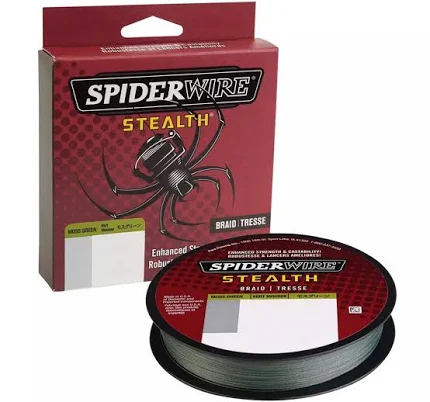
Spiderwire Stealth Braid
No public PFAS data available; fishing line often contains coatings.
Stealth Braid is braided polyethylene fishing line with unknown coating composition. The brand provides no PFAS disclosure or publicly detailed coating information.
The better-graded swap
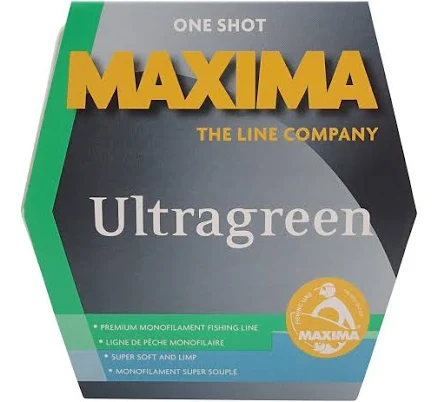
Maxima
Maxima Ultragreen Service Spool
85/100 safety
Same rubric that flunked this product. The swap earned Excellent.
Still want this one anyway? Check the price on Amazon. We’d swap it.
Material
Braided polyethylene fishing line
Brand disclosure
Brand is silent on PFAS
Lab data
No public lab test
What Spiderwire Stealth Braid is made of, ingredients and materials
Spiderwire Stealth Braid is braided polyethylene (PE), a thermoplastic polymer chosen for strength and low water absorption. The strands are tightly woven to create a thin, abrasion-resistant line. Polyethylene itself is chemically stable and does not leach into water under normal fishing conditions. However, the line may have surface coatings (commonly silicone, wax, or fluorine-based agents) applied during manufacturing to improve castability and reduce visibility, and these coatings' full composition is rarely disclosed by tackle manufacturers.
What’s concerning
Category baseline
The starting point for this type of product, before anything specific to this product is counted.
No PFAS disclosure
No public statement from the brand about PFAS in this product.
Unknown / proprietary coating
A coating is recorded with no disclosed chemistry.
Microplastic shedding during use and storage
Braided PE line naturally sheds tiny fibers, especially when abraded against guides, knots, or rocks. These fibers enter aquatic environments and persist; cumulative exposure across many anglers represents an unquantified environmental pathway. Direct ingestion risk to the user is negligible.
Undisclosed synthetic coatings (potential volatiles)
Manufacturer does not publicly disclose line coating composition. Silicone, wax, and fluorine-based coatings are typical; some fluorine coatings may contain fluorinated compounds. Coatings off-gas minimally during storage and use at room temperature but composition opacity prevents full safety assessment.
Entanglement and wildlife injury
Braided fishing line of this type is documented as a persistent entanglement hazard for marine and freshwater wildlife if discarded improperly. This is a disposal and stewardship issue, not an intrinsic material toxicity, but represents a real environmental hazard associated with product use.
What’s reassuring
Heavy metals
Spiderwire Stealth Braid is a braided PE product and does not require dyes for its dark color (carbon black is standard in PE). No public reports of heavy metal contamination in this product line exist. Monofilament lines carry higher risk; braided PE is lower concern.
Source, FDA ↗Allergenicity or skin irritation from line handling
No reports of dermatitis or allergic reactions specific to Spiderwire Stealth Braid. Polyethylene is hypoallergenic. Brief direct skin contact during casting and handling poses negligible risk.
The full breakdown
The brand's record and disclosure
Spiderwire (owned by Pure Fishing) has not published transparency reports on PFAS use, material sourcing, or chemical coatings in their line products. No public recalls or toxicity findings specific to Stealth Braid are on record. The brand does not advertise certifications for chemical safety or environmental standards. Fishing tackle manufacturers as a category are largely unregulated for disclosure of line coatings and processing chemicals.
How it compares in its category
Braided PE lines dominate the high-strength market and are generally considered to have lower concern than monofilament lines (which sometimes contain heavy metals as UV stabilizers). Spiderwire Stealth Braid is mid-to-premium priced and widely used by recreational and professional anglers without documented health incidents. Uncoated PE alternatives exist but are less popular; fluorocarbon-coated lines carry higher PFAS risk by design. No peer-reviewed comparative safety data exists for fishing line brands.
If you buy it
Store line in a cool, dry place away from direct UV to prevent brittleness and shedding of fibers. Inspect periodically for fraying or discoloration; replace if damage is visible. After use in saltwater, rinse with fresh water to prevent salt buildup and corrosion of any metal components on the spool. Do not incinerate used line; dispose as solid waste or recycle where tackle-specific recycling is available, as burning may release coating degradation products.
What we don’t know
- Basis
- Model estimate, 35% confidence, not a lab result
- Lab test
- None on record for this exact product
- Brand statement
- Spiderwire has made none
Formulations change between production runs, so check the current label. How we grade.
Better-graded alternatives in Fishing Line
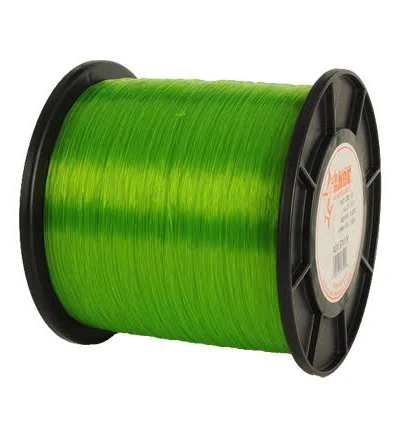
Ande
Monofilament
- Monofilament nylon fishing line
- We found no PFAS statement from the brand
- Microplastic shedding during use
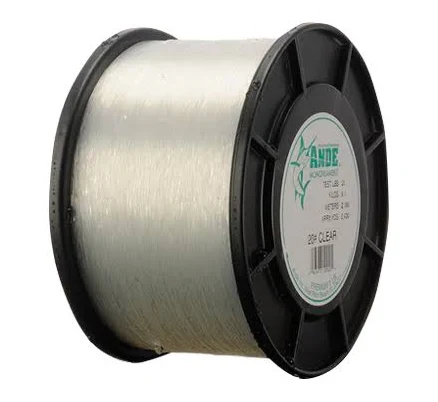
Ande
Premium Monofilament (Bulk) 100LB BY THE YARD
- Monofilament nylon fishing line
- We found no PFAS statement from the brand
- Microplastic fragmentation
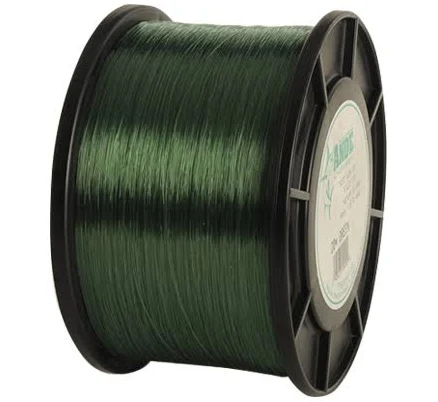
Ande
Premium Green 1/4 Spool
- Monofilament nylon fishing line
- We found no PFAS statement from the brand
- UV degradation and polymer brittleness
2 hazards checked on this product. See all of them.
More fishing line grades
How we score, every product runs through the same public 0-100 rubric based on materials, coatings, brand disclosure, lab findings, and recalls. See the full methodology → Spotted a mistake? Report an error.