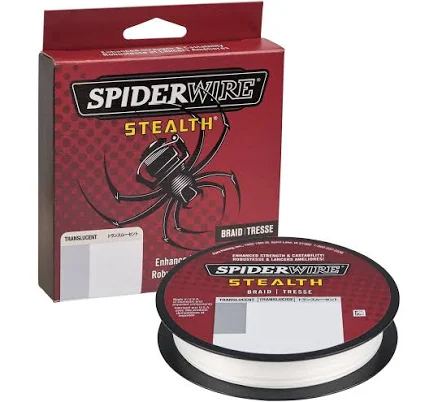
SpiderWire Stealth Translucent Fishing Line
Insufficient data. Braided fishing line coatings often undisclosed.
SpiderWire does not publicly disclose PFAS information or coating materials for this braided synthetic fiber line. Many synthetic fishing lines use Teflon-family coating coatings, but no independent testing confirms presence or absence.
The better-graded swap
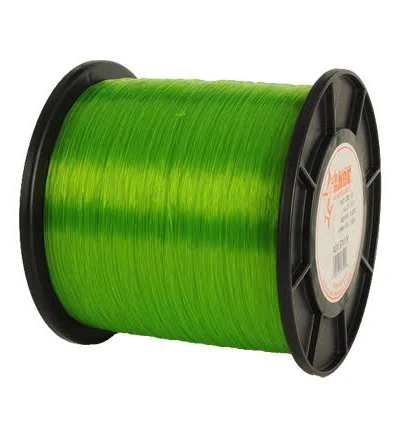
Ande
Ande Monofilament
85/100 safety
Same rubric that flunked this product. The swap earned Excellent.
Still want this one anyway? Check the price on Amazon. We’d swap it.
Material
Braided synthetic fiber, coating unspecified
Brand disclosure
Brand is silent on PFAS
Lab data
No public lab test
What SpiderWire Stealth Translucent Fishing is made of, ingredients and materials
SpiderWire Stealth is a braided synthetic fiber line, typically polyethylene or nylon blended with other polymers, with an undisclosed surface coating marketed for low visibility. The coating composition is not publicly specified by the manufacturer, which limits assessment of potential leachables or durability risks. Braided construction traps water and microparticles; coatings can degrade with UV exposure and mechanical stress, potentially shedding particles into aquatic environments.
What’s concerning
Category baseline
The starting point for this type of product, before anything specific to this product is counted.
No PFAS disclosure
No public statement from the brand about PFAS in this product.
Unknown / proprietary coating
A coating is recorded with no disclosed chemistry.
Undisclosed coating additives and potential leachables
Spiderwire does not publicly identify the coating formula applied to this line. Braided synthetic coatings may contain slip agents, UV stabilizers, or antimicrobial compounds not listed; their migration into skin or aquatic environments during use is not characterized.
Microplastic shedding from coating degradation
PFAS
Fishing line coatings are commonly treated with PFAS-based water- and soil-repellent compounds to improve durability and low-visibility properties. Spiderwire's silence on this ingredient leaves PFAS presence unconfirmed but not ruled out; see separate PFAS assessment.
Source, ATSDR ↗Skin sensitization from handling
Braided lines with undisclosed additives may cause mild contact dermatitis in sensitive individuals. Direct prolonged skin contact with degraded line fragments carries low but uncharacterized risk from unknown coating residues.
What’s reassuring
Heavy metals
No public record of cadmium, lead, or other heavy-metal pigments in Spiderwire line dyes. Translucent gray colorants are typically organic or titanium-based; no safety concerns are documented in available literature.
Source, FDA ↗The full breakdown
The brand's record and disclosure
Spiderwire (owned by Pure Fishing) does not publicly disclose coating chemistry, PFAS status, or independent safety certifications for this product line. The brand has no documented public controversies regarding chemical safety in fishing line, but silence on coating composition is standard across most fishing line manufacturers. No third-party testing or materials transparency statements are available in the public record.
How it compares in its category
Most braided fishing lines share the same disclosure gap regarding coatings and potential additives. Monofilament alternatives (single-strand nylon) typically avoid braided complexity but offer different performance trade-offs. Fluorocarbon lines are known to use fluorine-based polymers; Stealth's polymer blend is less transparent but likely similar in environmental profile to standard braided synthetics.
If you buy it
Rinse hands after handling, especially if line is visibly frayed or degraded, as coating particles may shed. Store in cool, dry conditions away from direct sunlight to minimize UV-driven coating breakdown. Replace line annually or after heavy use to reduce accumulation of worn particles in tackle boxes. Dispose of spent line in solid waste, not water systems, to avoid microplastic transport.
What we don’t know
- Basis
- Model estimate, 35% confidence, not a lab result
- Lab test
- None on record for this exact product
- Brand statement
- Spiderwire has made none
Formulations change between production runs, so check the current label. How we grade.
Better-graded alternatives in Fishing Line
Ande
Monofilament
- Monofilament nylon fishing line
- We found no PFAS statement from the brand
- Microplastic shedding during use
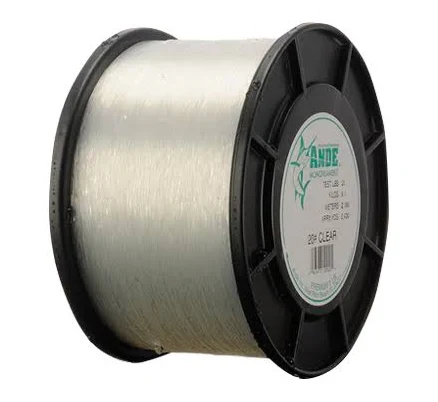
Ande
Premium Monofilament (Bulk) 100LB BY THE YARD
- Monofilament nylon fishing line
- We found no PFAS statement from the brand
- Microplastic fragmentation
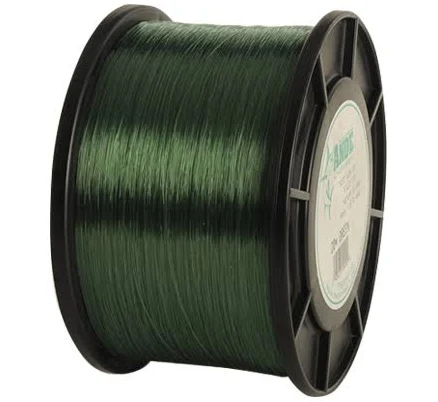
Ande
Premium Green 1/4 Spool
- Monofilament nylon fishing line
- We found no PFAS statement from the brand
- UV degradation and polymer brittleness
2 hazards checked on this product. See all of them.
More fishing line grades
How we score, every product runs through the same public 0-100 rubric based on materials, coatings, brand disclosure, lab findings, and recalls. See the full methodology → Spotted a mistake? Report an error.