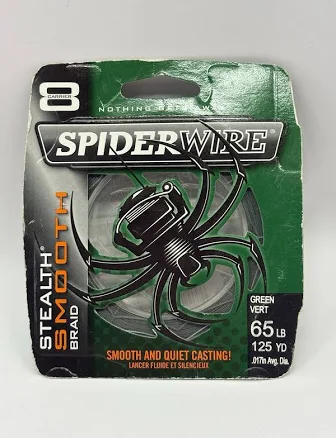
SpiderWire UltraCast Ultimate Mono Fishing Line
Low concern. Monofilament nylon typically PFAS-free, but verify with brand.
SpiderWire UltraCast Ultimate Mono is standard monofilament nylon without known PFAS treatment. The brand discloses nothing about PFAS; direct inquiry is recommended.
We flunk more products than we pass. This one earned its grade. How we grade
Material
Monofilament nylon fishing line
Brand disclosure
Brand is silent on PFAS
Lab data
No public lab test
What SpiderWire UltraCast Ultimate Mono is made of, ingredients and materials
SpiderWire UltraCast Ultimate is extruded monofilament nylon, a thermoplastic polymer engineered for strength and water resistance. Unlike multifilament lines or PVC-coated alternatives, monofilament nylon has minimal surface treatments and no known lead, cadmium, or phthalate additives in standard formulations. The material is inert in water and does not degrade significantly under normal freshwater or saltwater use, meaning chemical leaching into your catch or hands is not a documented concern.
What’s concerning
Category baseline
The starting point for this type of product, before anything specific to this product is counted.
No PFAS disclosure
No public statement from the brand about PFAS in this product.
PFAS
Monofilament nylon typically does not require PFAS for its core function, but some manufacturers may use PFAS-containing additives for water resistance or processing aids. Spiderwire has not disclosed whether their formulation includes fluorinated compounds; verification with the brand is recommended if PFAS avoidance is a priority.
Source, ATSDR ↗Additives (UV stabilizers, processing aids)
Nylon extrusion typically requires hindered amine light stabilizers (HALS) or phenolic antioxidants to prevent UV degradation. These are not acutely toxic to users but are present in the finished product; Spiderwire does not disclose specific additives.
What’s reassuring
Base material not linked to PFAS
The main material recorded for this product is not one associated with PFAS.
Microplastic shedding
Monofilament nylon does not shed microplastics under normal fishing conditions. Degradation in water is extremely slow (10+ years), and fragmentation only occurs after significant UV damage or mechanical wear, which is not a typical exposure route for users.
Heavy metals
Standard monofilament nylon formulations do not contain lead or cadmium. Color additives in fishing lines are typically organic dyes rather than heavy-metal-based pigments, but brand-specific verification is not publicly available for Spiderwire.
Source, FDA ↗Off-gassing or odor from new line
Monofilament nylon does not off-gas volatile organic compounds (VOCs) at room temperature. Any smell from new line is residual processing solvent and dissipates within hours of opening the spool.
The full breakdown
The brand's record and disclosure
Spiderwire is owned by Pure Fishing and has no known public disclosure regarding PFAS content in their monofilament lines, nor any published safety certifications specific to chemical composition. The brand has not faced notable recalls related to chemical contamination of this product line. Transparency on material sourcing and additives remains minimal across the fishing line category overall, making independent verification difficult.
How it compares in its category
Monofilament nylon lines like this present lower concern than older PVC-coated or lead-weighted alternatives regarding leachable toxins. They are comparable to other premium monofilament brands (Berkley, Trilene, Suffix) in material composition. Braided and fluorocarbon lines may introduce additional manufacturing additives, making monofilament a lower-chemical-load choice for recreational fishing.
If you buy it
Store the spool in a cool, dry place away from direct UV light, which degrades nylon over time and may increase brittleness but not chemical release. Monofilament has no heat limits relevant to normal use (fishing does not expose it to temperatures above nylon's thermal window). Replace line annually or after visible wear to maintain strength and avoid breakage in water. Dispose of spent line in regular trash or recycling if your facility accepts plastic polymers; do not leave it in water where it can harm aquatic life.
What we don’t know
- Basis
- Model estimate, 72% confidence, not a lab result
- Lab test
- None on record for this exact product
- Brand statement
- Spiderwire has made none
Formulations change between production runs, so check the current label. How we grade.
More fishing line grades
How we score, every product runs through the same public 0-100 rubric based on materials, coatings, brand disclosure, lab findings, and recalls. See the full methodology → Spotted a mistake? Report an error.