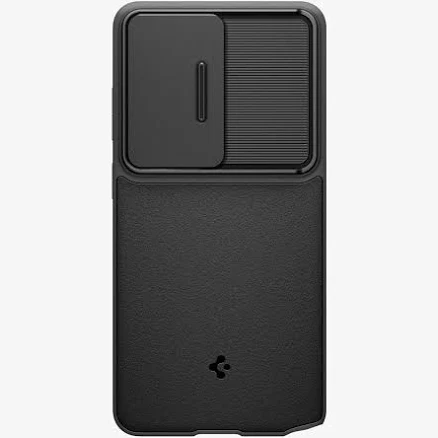
Spigen · Waterproof Personal Electronics Cases
Optik Armor Case for Galaxy S26 Ultra
Lower risk phone case. No typical PFAS coatings in rigid protection.
This rigid case uses TPU and polycarbonate without advertised water-resistant or non-stick treatments. Standard rigid phone cases rarely need PFAS unless they have water-repellent coating coatings.
We flunk more products than we pass. This one earned its grade. How we grade
Material
TPU and polycarbonate with no specified coatings
Lab data
No public lab test
You may also be interested in
Top-graded picks in the categories readers replace first, every one scored on the same rubric.

- polypropylene filter housing, carbon/sediment cartridge
- We found no PFAS statement from the brand
- Bacterial growth in spent cartridges
3 hazards checked on this product, all on its full breakdown.

Aquasure
Premier Series 75 GPD Under Sink Reverse Osmosis Water Filtration System
- RO membrane, carbon filters, stainless steel housing
- We found no PFAS statement from the brand
- Bacterial and microbial growth in housing and filters
4 hazards checked on this product, all on its full breakdown.

Avocado
Vegan Mattress
- organic cotton, natural latex, coconut coir, recycled steel coils
- The brand calls it PFAS-free, which we have not verified
- Heavy metals
2 hazards checked on this product, all on its full breakdown.
What Optik Armor Case for Galaxy S26 Ultra is made of, ingredients and materials
The Optik Armor uses thermoplastic polyurethane (TPU) combined with polycarbonate, a common two-layer protective design. TPU is flexible and impact-absorbent, while polycarbonate adds rigidity and scratch resistance. Neither material is known to leach concerning chemicals under normal phone use conditions (room temperature, no prolonged heat exposure). The absence of specified coatings (such as glossy or antimicrobial topcoats) reduces the risk of added chemical additives breaking down over time.
What’s concerning
Category baseline
The starting point for this type of product, before anything specific to this product is counted.
No PFAS disclosure
No public statement from the brand about PFAS in this product.
TPU degradation and leaching under heat
While TPU is generally stable at room temperature, prolonged exposure to high heat (vehicle dashboards in summer, direct sunlight) can trigger breakdown. No specific leaching incidents are documented for this product, but heat stress accelerates material deterioration.
Polycarbonate scratch/wear releasing microparticles
As the polycarbonate outer layer ages and scratches, microscopic particles may shed. This is a known concern for all polycarbonate-based phone cases over extended use, though no health impact is established at typical exposure levels.
What’s reassuring
Base material not linked to PFAS
The main material recorded for this product is not one associated with PFAS.
Adhesive or assembly residues
Spigen does not disclose adhesive types used to bond TPU and polycarbonate layers. Standard TPU/PC assemblies use minimal adhesive, and no quality issues or off-gassing complaints are documented for this brand's cases.
Chemical migration from dyes or colorants
The case material itself does not typically contain heavy metal pigments or problematic dyes, as it relies on polymer coloring rather than applied coatings. No recalls or complaints specific to color-related leaching exist for Spigen cases.
How is this PFAS grade calculated?
The brand's record and disclosure
Spigen does not publicly disclose detailed material composition or PFAS testing for their phone cases, following the pattern of most consumer electronics accessory manufacturers. The brand has no established history of chemical safety controversies or recalls related to phone case materials. Their product marketing emphasizes material toughness rather than chemical safety, which is typical for the category but leaves questions about manufacturing standards unanswered.
How it compares in its category
Most rigid phone cases rely on polycarbonate or TPU blends similar to this one. Cases with added features (antimicrobial coatings, glossy UV finishes, or fabric interiors) introduce additional chemical exposure points; the Optik Armor's minimalist design avoids these extras. This positions it in the lower-risk tier compared to cases marketed with special surface treatments or heavy chemical finishes.
If you buy it
Keep the case away from direct prolonged sunlight and extreme heat (above 60C/140F), as TPU can soften and degrade under sustained temperature stress. Clean with mild soap and water only; avoid prolonged contact with alcohol-based cleaners or solvents, which can break down TPU over years of use. Replace the case if visible cracks, separations, or peeling appear, as protective integrity is compromised. Store in a cool, dry place when not in use.
What is not known about PFAS in this product?
- Basis
- Model estimate, 72% confidence, not a lab result
- Lab test
- None on record for this exact product
- Brand statement
- Spigen has made a specific claim
Formulations change between production runs, so check the current label. How we grade.
More waterproof personal electronics cases grades
How we score, every product runs through the same public 0-100 rubric based on materials, coatings, brand disclosure, lab findings, and recalls. See the full methodology → Spotted a mistake? Report an error.