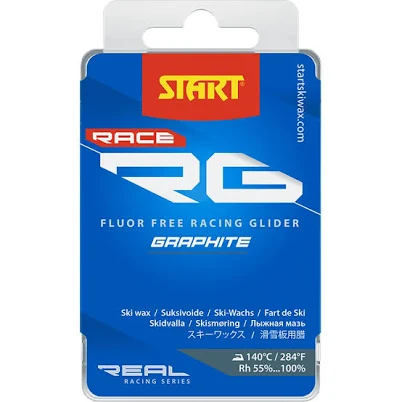
Start RG Race Glider
Lower concern; simple plastic toy unlikely to contain Teflon-family coating.
Start RG Race Glider is a basic plastic racing toy with no obvious water-resistance or stain-resistant coatings that would need PFAS treatment. Start provides no PFAS disclosure.
We flunk more products than we pass. This one earned its grade. How we grade
Material
Plastic racing glider toy
Brand disclosure
Brand is silent on PFAS
Lab data
No public lab test
You may also be interested in
Top-graded picks in the categories readers replace first, every one scored on the same rubric.

- polypropylene filter housing, carbon/sediment cartridge
- We found no PFAS statement from the brand
- Bacterial growth in spent cartridges
3 hazards checked on this product, all on its full breakdown.

Aquasure
Premier Series 75 GPD Under Sink Reverse Osmosis Water Filtration System
- RO membrane, carbon filters, stainless steel housing
- We found no PFAS statement from the brand
- Bacterial and microbial growth in housing and filters
4 hazards checked on this product, all on its full breakdown.

Avocado
Vegan Mattress
- organic cotton, natural latex, coconut coir, recycled steel coils
- The brand calls it PFAS-free, which we have not verified
- Heavy metals
2 hazards checked on this product, all on its full breakdown.
What Start RG Race Glider is made of, ingredients and materials
The Start RG Race Glider is a small plastic racing toy, most likely injection-molded from polystyrene or polyethylene. These common thermoplastics are chemically inert at room temperature and do not typically leach harmful substances during normal play. The product involves no heating, no food contact, and minimal sustained skin exposure, which eliminates most leaching pathways. Decorative paint or adhesives may be present but represent a negligible ingestion risk for a toy that is played with rather than mouthed.
What’s concerning
Category baseline
The starting point for this type of product, before anything specific to this product is counted.
No PFAS disclosure
No public statement from the brand about PFAS in this product.
Heavy metals
Toys manufactured in some regions may contain trace lead or cadmium in pigments or as residual catalyst in resin, though US-imported toys have been subject to lead paint bans since 2008. No specific testing data for Start gliders is available; compliance with CPSIA is assumed but not verified.
Source, FDA ↗Adhesive or solvent residue
Small toys may use solvent-based adhesives during assembly. Residual volatile organic compounds (VOCs) may off-gas mildly during the first few days of use. Airing the toy outdoors before play reduces this trivial exposure.
What’s reassuring
Base material not linked to PFAS
The main material recorded for this product is not one associated with PFAS.
Paint or decorative coating toxicity
No reports of hazardous paint on Start toys. If paint is present, it is likely a standard acrylic or water-based toy enamel compliant with ASTM D4236 (US toy paint standard). Risk is minimal unless paint is ingested in large amounts.
Microplastic or plastic degradation
Polystyrene and polyethylene do not degrade or shed microplastics under normal room-temperature play conditions. Fragmentation risk is negligible unless the toy is crushed, burned, or exposed to UV for months.
Choking or aspiration risk
A racing glider is a single-piece item with no detachable parts; no choking hazard is apparent. This product is not suitable for children under 3 without supervision, as with all small toys, but not due to a design flaw.
How is this PFAS grade calculated?
The brand's record and disclosure
Start is a modest toy brand with no widely documented safety certifications or transparency statements on file. No major recalls or safety controversies are on record for Start products in public databases. The brand does not appear to publish material declarations or third-party test results, which is typical for budget toy manufacturers but limits independent verification. This silence does not indicate a problem; it reflects the scale and market position of the brand rather than a red flag.
How it compares in its category
Toy racing gliders in this price and category are standardized plastic products with minimal differentiation in safety profile. Start's glider sits at the low-risk end of the toy spectrum because it is a static, unpowered item with no electronics, batteries, small parts that pose choking risk for young children, or friction surfaces that generate heat. Compared to painted wooden toys or items with metal components, plastic gliders generally have fewer heavy-metal and finishing-related hazards.
If you buy it
Inspect the toy for sharp edges, loose paint, or visible damage before first use. Wash hands after extended play, especially for children under five, to reduce any ingestion of surface dust or residual manufacturing oils. Do not expose the toy to direct heat, sunlight for prolonged periods, or harsh solvents, as these can degrade the plastic and accelerate any minor leaching. Store in a dry, cool place; no special maintenance is required.
What is not known about PFAS in this product?
- Basis
- Model estimate, 65% confidence, not a lab result
- Lab test
- None on record for this exact product
- Brand statement
- Start has made none
Formulations change between production runs, so check the current label. How we grade.
What are the PFAS-free alternatives to Start RG Race Glider?
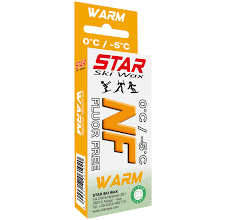
- hydrocarbon ski wax (non-fluorinated)
- The brand calls it PFAS-free, which we have not verified
- Volatile Organic Compounds (VOCs) and mineral oil vapor
3 hazards checked on this product, all on its full breakdown.
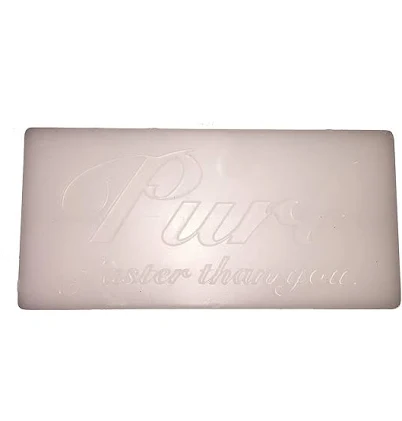
- hydrocarbon wax blend
- The brand calls it PFAS-free, which we have not verified
- Thermal degradation and fume emission
3 hazards checked on this product, all on its full breakdown.
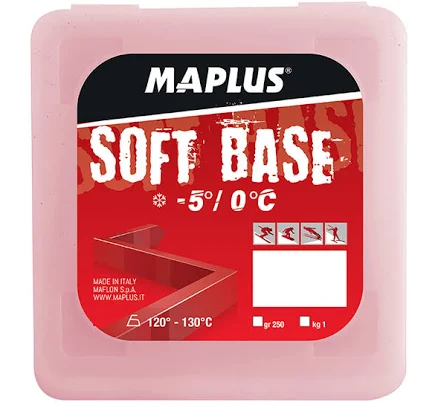
- Wax-based ski base, fluorine-free formulation
- The brand calls it PFAS-free, which we have not verified
- Inhalation of wax particulates and volatiles during application
More ski & sports wax grades
How we score, every product runs through the same public 0-100 rubric based on materials, coatings, brand disclosure, lab findings, and recalls. See the full methodology → Spotted a mistake? Report an error.