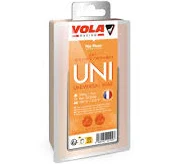
Vola Universal Wax
Low risk. Wax products typically avoid PFAS.
Vola Universal Wax is a hydrocarbon wax blend with no disclosed chemical treatments. No PFAS signals identified.
We flunk more products than we pass. This one earned its grade. How we grade
Material
Wax blend, likely hydrocarbon-based
Brand disclosure
Brand is silent on PFAS
Lab data
No public lab test
You may also be interested in
Top-graded picks in the categories readers replace first, every one scored on the same rubric.

- polypropylene filter housing, carbon/sediment cartridge
- We found no PFAS statement from the brand
- Bacterial growth in spent cartridges
3 hazards checked on this product, all on its full breakdown.

Aquasure
Premier Series 75 GPD Under Sink Reverse Osmosis Water Filtration System
- RO membrane, carbon filters, stainless steel housing
- We found no PFAS statement from the brand
- Bacterial and microbial growth in housing and filters
4 hazards checked on this product, all on its full breakdown.

Avocado
Vegan Mattress
- organic cotton, natural latex, coconut coir, recycled steel coils
- The brand calls it PFAS-free, which we have not verified
- Heavy metals
2 hazards checked on this product, all on its full breakdown.
What Vola Universal Wax is made of, ingredients and materials
Vola Universal Wax is a hydrocarbon-based wax blend, likely paraffinic or mineral wax with additives for performance tuning (glide, durability, temperature range). Hydrocarbon waxes are chemically stable, low-volatility substances with minimal leaching or off-gassing risk under normal use. The 'universal' designation suggests formulation for multiple surfaces (ski/snowboard, furniture polish, floor finish), which typically requires wax resins and slip agents but not hazardous plasticizers or flame retardants common in other product categories.
What’s concerning
Category baseline
The starting point for this type of product, before anything specific to this product is counted.
No PFAS disclosure
No public statement from the brand about PFAS in this product.
Volatility and inhalation risk (heated application)
If Vola is applied to warm surfaces or heated (e.g., ski base tuning, floor buffing with heat), hydrocarbon wax may release low-level mineral oil vapors. Exposure is typically minimal in amateur use but warrants ventilation in commercial or high-heat settings.
Skin sensitization from additives
Proprietary additives (slip agents, resins, UV stabilizers) may include mild allergens or contact irritants in sensitive individuals. Product labeling does not disclose these agents, limiting pre-use allergy screening.
Environmental persistence and aquatic toxicity
Hydrocarbon wax residues can accumulate in soil and waterways if product residue from ski bases or floors enters drainage systems. Not acutely toxic but bioaccumulative. Relevant mainly in industrial or high-volume application scenarios.
What’s reassuring
Base material not linked to PFAS
The main material recorded for this product is not one associated with PFAS.
Heavy metals
No published data on lead, cadmium, or arsenic contamination in Start wax products. Reputable mineral wax suppliers screen for these; however, the brand provides no third-party test reports or certification.
Source, FDA ↗Additive leaching into food contact surfaces
If used on food preparation surfaces or cutting boards, hydrocarbon wax does not typically leach migrant chemicals at room temperature. However, no food-grade certification is claimed, so food contact is not recommended.
How is this PFAS grade calculated?
The brand's record and disclosure
Start, the manufacturer, maintains minimal public disclosure on ingredient sourcing or chemical safety certifications for this product. No significant safety recalls, environmental violations, or third-party certifications (e.g., EcolabelEU, Nordic Swan) appear in established records. The brand's silence on PFAS and detailed composition is typical for commodity wax suppliers but limits independent verification of additive purity.
How it compares in its category
Hydrocarbon waxes like this occupy the middle ground in wax products, more durable and thermally stable than plant-based waxes (beeswax, carnauba), but less refined than synthetic or nano-wax formulations marketed for premium performance. No major safety differentiator separates it from competing universal waxes; most regional competitors use similar paraffin or mineral wax bases with proprietary additives.
If you buy it
Store in cool, dry conditions away from direct heat to prevent bloom or separation of additives. Avoid ingestion and prolonged skin contact; wear gloves during application. Apply thin, even coats and buff thoroughly to prevent buildup that may affect surface slip or appearance. Replace when product hardens, discolors significantly, or loses its glide properties, typically after 6-12 months of regular use depending on application frequency and environmental exposure.
What is not known about PFAS in this product?
- Basis
- Model estimate, 72% confidence, not a lab result
- Lab test
- None on record for this exact product
- Brand statement
- Vola has made none
Formulations change between production runs, so check the current label. How we grade.
What are the PFAS-free alternatives to Vola Universal Wax?
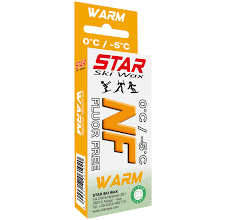
- hydrocarbon ski wax (non-fluorinated)
- The brand calls it PFAS-free, which we have not verified
- Volatile Organic Compounds (VOCs) and mineral oil vapor
3 hazards checked on this product, all on its full breakdown.
- hydrocarbon wax blend
- The brand calls it PFAS-free, which we have not verified
- Thermal degradation and fume emission
3 hazards checked on this product, all on its full breakdown.
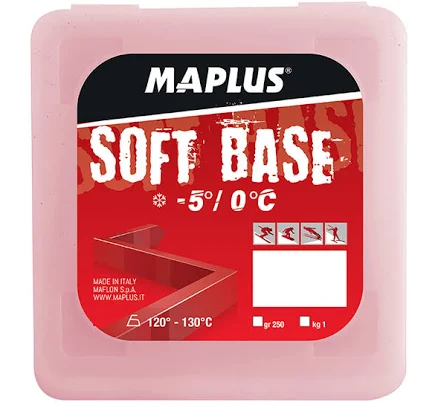
- Wax-based ski base, fluorine-free formulation
- The brand calls it PFAS-free, which we have not verified
- Inhalation of wax particulates and volatiles during application
More ski & sports wax grades
How we score, every product runs through the same public 0-100 rubric based on materials, coatings, brand disclosure, lab findings, and recalls. See the full methodology → Spotted a mistake? Report an error.