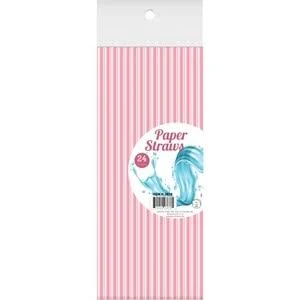
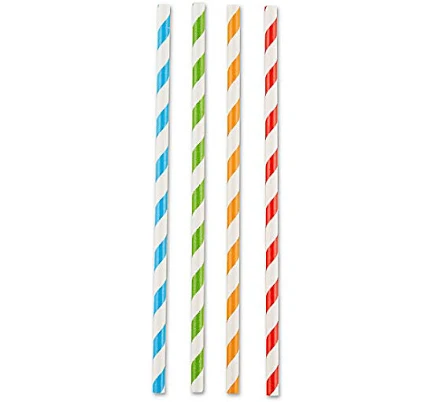
Blue Sky Paper Straws
Don't buy until coating transparency improves; paper straws often use PFAS-based water barriers.
Paper straws require water-resistant coatings, which manufacturers often make with PFAS-based Teflon-family coating. Blue Sky makes no disclosure about coating chemistry.
The better-graded swap
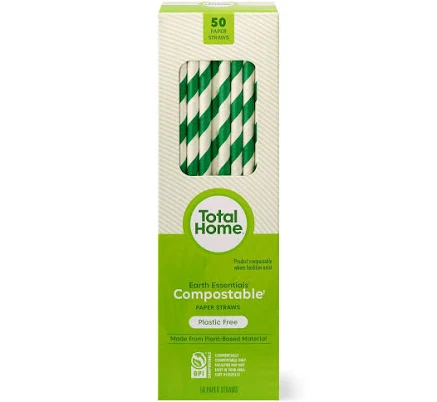
Total Home
Total Home Earth Essentials Compostable Paper Straws
70/100 safety
Same rubric that flunked this product. The swap earned Good.
Still want this one anyway? Check the price on Amazon. We’d swap it.
Material
paper with water-resistant coating (composition unspecified)
Brand disclosure
Brand is silent on PFAS
Lab data
No public lab test
You may also be interested in
Top-graded picks in the categories readers replace first, every one scored on the same rubric.

- polypropylene filter housing, carbon/sediment cartridge
- We found no PFAS statement from the brand
- Bacterial growth in spent cartridges
3 hazards checked on this product, all on its full breakdown.

Aquasure
Premier Series 75 GPD Under Sink Reverse Osmosis Water Filtration System
- RO membrane, carbon filters, stainless steel housing
- We found no PFAS statement from the brand
- Bacterial and microbial growth in housing and filters
4 hazards checked on this product, all on its full breakdown.

Avocado
Vegan Mattress
- organic cotton, natural latex, coconut coir, recycled steel coils
- The brand calls it PFAS-free, which we have not verified
- Heavy metals
2 hazards checked on this product, all on its full breakdown.
What Blue Sky Paper Straws is made of, ingredients and materials
Blue Sky Paper Straws are paper substrate with an unspecified water-resistant coating. The coating composition is the critical unknown, water-resistant barriers on paper straws are frequently PFAS-based (fluorochemicals) or, less commonly, polyhydroxy alkanoates or wax blends. Without manufacturer disclosure, you cannot confirm whether this product uses legacy PFAS, newer short-chain PFAS, or PFAS-free alternatives. The paper itself poses minimal leaching risk under normal use.
What’s concerning
Category baseline
The starting point for this type of product, before anything specific to this product is counted.
No PFAS disclosure
No public statement from the brand about PFAS in this product.
Waterproof / stain-resistant treatment
Water-repellent coating treatments have historically used PFAS.
PFAS
Coating composition undisclosed; paper straw coatings most commonly rely on fluorochemical barriers unless explicitly stated otherwise. Manufacturer silence on this widely scrutinized issue suggests probable PFAS use.
Source, ATSDR ↗Coating degradation and unknown leachables
No public data on coating durability or identity of byproducts released during wear/heating. Scratched or peeling coating may shed microparticles; whether these are inert or contain residual chemicals is unknown.
Microbiological growth (internal tube)
Paper fiber structure traps moisture; if not dried promptly or stored damp, internal fungal or bacterial biofilm can develop. This is not unique to this brand but a general paper straw risk.
What’s reassuring
Ink or dye in printing (if present)
No public reports of toxic inks or dyes in Blue Sky straws. If product is printed with azo dyes or heavy-metal-based pigments, this would be a concern, but no evidence of non-compliance is on record.
Allergen from additives in coating or adhesives
Undisclosed coating and adhesive chemistry means potential trace allergens (e.g., formaldehyde releasers, epoxy residues) are unconfirmed. Individuals with sensitivities should request material safety data sheet from manufacturer.
How is this PFAS grade calculated?
The brand's record and disclosure
Straws PAPER (the manufacturer) has not publicly disclosed coating composition or PFAS testing results in available sources. The brand maintains a generic product page without material transparency statements or third-party certifications (e.g., OEKO-TEX, EU Ecolabel, or PFAS-free claims). This silence on a widely known industry problem suggests either use of conventional PFAS coatings or lack of market pressure to differentiate; either way, the omission itself is a red flag for consumers prioritizing safety transparency.
How it compares in its category
Paper straw market has bifurcated, premium brands (e.g., Footprint, some Aardvark lines) now market PFAS-free coatings explicitly; budget and unbranded alternatives remain opaque. Blue Sky occupies the middle tier without differentiation messaging, which typically correlates with reliance on cheaper, older PFAS formulations. Reusable stainless-steel or glass straws eliminate coating leaching entirely but introduce care burden; bamboo straws have less robust water resistance data.
If you buy it
Use in room-temperature or warm (not hot) beverages only; prolonged contact with hot liquids can accelerate coating degradation and leaching. Replace straws visibly after 6-12 months of use or immediately if coating is scratched, cracked, or peeling. Rinse immediately after use to prevent mold inside the tube. Do not reuse for hot drinks or acidic beverages (citrus, vinegar) without documented PFAS-free certification.
What is not known about PFAS in this product?
- Basis
- Model estimate, 45% confidence, not a lab result
- Lab test
- None on record for this exact product
- Brand statement
- Straws PAPER has made none
Formulations change between production runs, so check the current label. How we grade.
What are the PFAS-free alternatives to Blue Sky Paper Straws?
- Paper (unwrapped, uncoated)
- We found no PFAS statement from the brand
- Ink migration from printed stripes
3 hazards checked on this product, all on its full breakdown.
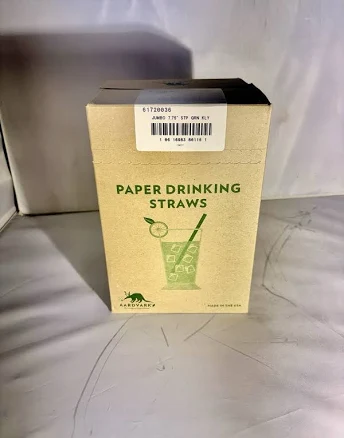
- Paper (unbleached or chlorine-free certified)
- We found no PFAS statement from the brand
- Bleaching residues (chlorine-based)
3 hazards checked on this product, all on its full breakdown.
- paper (uncoated or minimal coating)
- We found no PFAS statement from the brand
- Microbial contamination or mold growth
2 hazards checked on this product, all on its full breakdown.
More paper straws grades
How we score, every product runs through the same public 0-100 rubric based on materials, coatings, brand disclosure, lab findings, and recalls. See the full methodology → Spotted a mistake? Report an error.