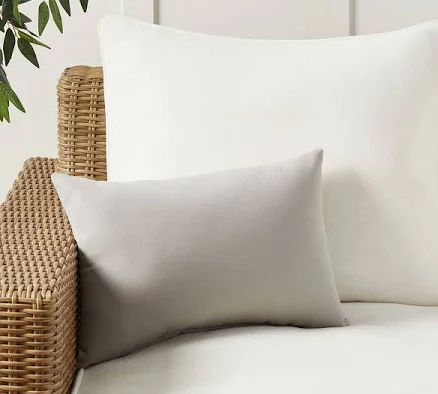
Sunbrella · Outdoor Furniture Cushion Protectants
Pottery Barn SunbrellaA Solid Outdoor Pillow
Sunbrella fabric likely treated with PFAS; brand discloses nothing.
Sunbrella outdoor fabrics are industry-standard solution-dyed acrylic with water-repellent coating treatment, commonly PFAS-based historically. Sunbrella has not publicly disclosed PFAS-free status or testing.
The better-graded swap
Blazing Needles
74 in by 19 in Outdoor Solid Polyester Tufted Chaise Lounge Cushion
85/100 safety
Same rubric that flunked this product. The swap earned Excellent.
Still want this one anyway? Check the price on Amazon. We’d swap it.
Material
Sunbrella acrylic fabric with stain/water treatment
Brand disclosure
Brand is silent on PFAS
Lab data
No public lab test
You may also be interested in
Top-graded picks in the categories readers replace first, every one scored on the same rubric.

- polypropylene filter housing, carbon/sediment cartridge
- We found no PFAS statement from the brand
- Bacterial growth in spent cartridges
3 hazards checked on this product, all on its full breakdown.

Aquasure
Premier Series 75 GPD Under Sink Reverse Osmosis Water Filtration System
- RO membrane, carbon filters, stainless steel housing
- We found no PFAS statement from the brand
- Bacterial and microbial growth in housing and filters
4 hazards checked on this product, all on its full breakdown.

Avocado
Vegan Mattress
- organic cotton, natural latex, coconut coir, recycled steel coils
- The brand calls it PFAS-free, which we have not verified
- Heavy metals
2 hazards checked on this product, all on its full breakdown.
What Pottery Barn SunbrellaA Outdoor Pillow is made of, ingredients and materials
Sunbrella fabric is solution-dyed acrylic, meaning color is locked into fibers during manufacturing rather than applied after. This method produces durable, fade-resistant material well-suited to sun exposure. The fabric undergoes proprietary water and stain repellent treatment (almost certainly PFAS-based, though Sunbrella has not publicly confirmed chemistry). The pillow cover is removable and machine-washable, which can reduce but not eliminate residual chemical exposure over time.
What’s concerning
Category baseline
The starting point for this type of product, before anything specific to this product is counted.
No PFAS disclosure
No public statement from the brand about PFAS in this product.
Waterproof / stain-resistant treatment
Water-repellent coating treatments have historically used PFAS.
PFAS
Sunbrella's durability reputation depends on proprietary water-repellent coating (water-repellent coating) finish, which historically relied on PFAS chemistry. No public commitment to PFAS alternatives; coated acrylic fibers shed microfibers and residual chemicals into washing water and, over time, into skin contact during use.
Source, ATSDR ↗Microplastic shedding from synthetic fibers
Acrylic textiles shed fine fibers during washing and outdoor wear, particularly when abraded by friction or UV degradation. Sunbrella's durability minimizes early breakdown, but outdoor exposure and handling still produce microplastics over years of use. Machine washing accelerates this; gentle hand washing or spot cleaning reduces fiber loss.
What’s reassuring
Formaldehyde / VOCs
Sunbrella fabric does not typically undergo formaldehyde-resin wrinkle-resist or antimicrobial finishes (unlike some cotton-blend or performance polyester brands). No formaldehyde detection has been publicly reported in Sunbrella products; solution-dyeing and water-repellent coating chemistry are the primary chemical load.
Source, ATSDR ↗Flame retardants
Acrylic fibers are naturally flame-resistant and do not require added brominated or phosphorus-based flame retardants. Outdoor cushion covers are not subject to indoor furniture flammability standards. No evidence of added flame retardants in Sunbrella acrylic fabric.
Source, EPA ↗Heavy metals
Solution-dyed acrylic avoids post-dye mordants and heavy metal fixatives common in piece-dyed textiles. Azo dyes are integrated during fiber production. No regulatory alerts or documented contamination in Sunbrella acrylic on public record; this manufacturing method is generally lower-risk for heavy metal uptake than conventional dyeing.
Source, FDA ↗How is this PFAS grade calculated?
The brand's record and disclosure
Sunbrella (Invista/Eastman subsidiary) markets durability and stain resistance but has published no ingredient disclosure, PFAS phase-out timeline, or third-party testing summaries. The brand has not signed pledges to eliminate PFAS or adopted alternatives such as fluorine-free hydrophobic coatings. No formal recalls or regulatory actions on record for Sunbrella fabrics. This silence on chemical treatment is increasingly at odds with competitor transparency trends in outdoor textiles.
How it compares in its category
Sunbrella dominates premium outdoor cushion fabric and is considered the industry standard for performance and longevity. Alternatives include solution-dyed polyester (similar PFAS risk, less UV resistance), cotton blends (higher mildew risk, lower water repellency), and emerging PFAS-free acrylic brands (fewer long-term durability data, pricier). For pure stain/water performance, Sunbrella remains unmatched; for chemical minimization, disclosure-focused alternatives exist but cost more and sacrifice some weather resistance.
If you buy it
Wash the removable cover in cool water before first use to reduce any loose chemical residue. Avoid hot water or high heat drying, which can accelerate polymer degradation and potential chemical leaching. Inspect stitching and fabric for visible wear annually; outdoor sun and moisture degrade even premium synthetics over 5 to 7 years. Replace the pillow when color fading or water beading noticeably declines, signaling coating breakdown. Store indoors during off-season to extend lifespan and reduce off-gassing in direct sun cycles.
What is not known about PFAS in this product?
- Basis
- Model estimate, 45% confidence, not a lab result
- Lab test
- None on record for this exact product
- Brand statement
- Sunbrella has made none
Formulations change between production runs, so check the current label. How we grade.
What are the PFAS-free alternatives to Pottery Barn SunbrellaA Solid Outdoor Pillow?
Blazing Needles
74 in by 19 in Outdoor Solid Polyester Tufted Chaise Lounge Cushion
- Polyester fill with polyester cover
- We found no PFAS statement from the brand
- Azo dyes in polyester textiles
2 hazards checked on this product, all on its full breakdown.
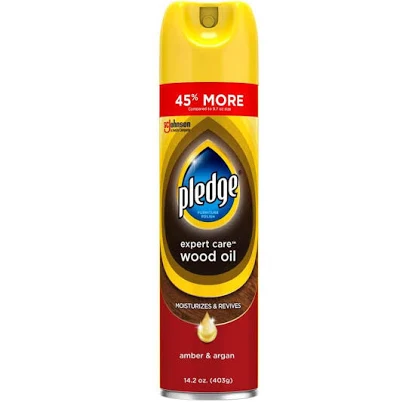
- mineral oil, argan oil blend
- We found no PFAS statement from the brand
- Fragrance allergens and undisclosed components
4 hazards checked on this product, all on its full breakdown.
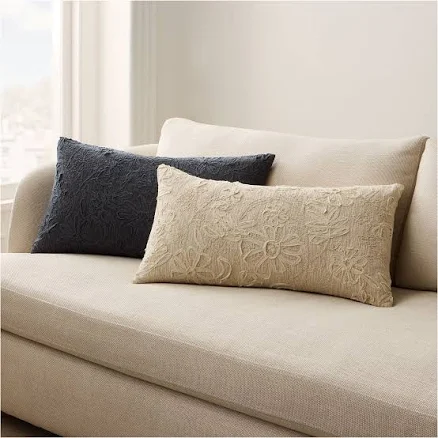
- 100% cotton canvas
- Azo dyes and dye contamination
3 hazards checked on this product, all on its full breakdown.
More outdoor furniture cushion protectants grades
How we score, every product runs through the same public 0-100 rubric based on materials, coatings, brand disclosure, lab findings, and recalls. See the full methodology → Spotted a mistake? Report an error.