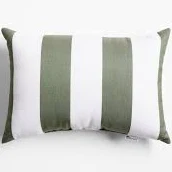
Sunbrella · Outdoor Furniture Cushion Protectants
Sunbrella 20"x13" Cabana Stripe Outdoor Throw Pillow
Sunbrella's water-repellent coating treatment raises concern; brand discloses nothing about PFAS.
Sunbrella fabrics use proprietary water and stain repellent treatments typical of outdoor textiles. The brand does not publicly disclose PFAS content in these finishes.
The better-graded swap
Blazing Needles
74 in by 19 in Outdoor Solid Polyester Tufted Chaise Lounge Cushion
85/100 safety
Same rubric that flunked this product. The swap earned Excellent.
Still want this one anyway? Check the price on Amazon. We’d swap it.
Material
Sunbrella acrylic fabric with water-repellent coating treatment
Brand disclosure
Brand is silent on PFAS
Lab data
No public lab test
You may also be interested in
Top-graded picks in the categories readers replace first, every one scored on the same rubric.

- polypropylene filter housing, carbon/sediment cartridge
- We found no PFAS statement from the brand
- Bacterial growth in spent cartridges
3 hazards checked on this product, all on its full breakdown.

Aquasure
Premier Series 75 GPD Under Sink Reverse Osmosis Water Filtration System
- RO membrane, carbon filters, stainless steel housing
- We found no PFAS statement from the brand
- Bacterial and microbial growth in housing and filters
4 hazards checked on this product, all on its full breakdown.

Avocado
Vegan Mattress
- organic cotton, natural latex, coconut coir, recycled steel coils
- The brand calls it PFAS-free, which we have not verified
- Heavy metals
2 hazards checked on this product, all on its full breakdown.
What Sunbrella 20"x13" Cabana Throw Pillow is made of, ingredients and materials
This pillow uses Sunbrella acrylic fabric, a solution-dyed synthetic material treated with a water-repellent coating (water-repellent coating) finish. The water-repellent coating is the primary source of concern, while Sunbrella has not publicly disclosed whether their treatment contains PFAS compounds, the outdoor textile industry historically relies on fluorinated chemicals for water and stain resistance. Acrylic fiber itself is inherently resistant to mold and mildew, which is advantageous for outdoor use, but the chemical treatment applied on top introduces potential leachables.
What’s concerning
Category baseline
The starting point for this type of product, before anything specific to this product is counted.
No PFAS disclosure
No public statement from the brand about PFAS in this product.
Waterproof / stain-resistant treatment
Water-repellent coating treatments have historically used PFAS.
water-repellent coating (water-repellent coating) treatment chemistry
Sunbrella's acrylic fabric is treated with a water-repellent coating finish to resist water and stains. The brand does not publicly disclose whether this treatment contains fluorinated compounds (PFAS), which have been detected in outdoor textiles from multiple manufacturers. Risk is primarily from residual chemical off-gassing during first weeks of use and potential leaching into skin contact over extended wear.
Off-gassing of volatile organic compounds (VOCs)
New synthetic outdoor textiles commonly release volatile organic compounds from residual manufacturing chemicals, including unreacted monomers and processing aids. This is typically mild and dissipates within 1 to 2 weeks with airing, but the water-repellent coating treatment may extend off-gassing duration. Individuals with chemical sensitivities or respiratory conditions should air the pillow extensively before use
Coating degradation and leaching over time
The water-repellent coating on acrylic textiles degrades with UV exposure, heat cycling, and repeated washing. As the coating breaks down, embedded chemicals may leach into contact with skin or surrounding materials. Sunbrella's durability reputation suggests slower degradation than budget outdoor textiles, but the rate and composition of leachates are not published.
What’s reassuring
Flame retardants
Acrylic fiber itself does not require chemical flame retardants to meet furniture standards due to its inherently low flammability. No evidence suggests Sunbrella adds additional flame retardant compounds to this product line, and the brand does not list such additives in available technical information. However, verification would require direct manufacturer contact.
Source, EPA ↗Azo dyes and synthetic dye toxicity
Sunbrella uses solution-dyeing, which incorporates pigment into acrylic fiber during manufacture rather than applying dye to the surface. This process avoids the use of conventional azo dyes and heavy-metal mordants typical of later-stage dyeing. No recalls or complaints specific to dye toxicity have been documented for Sunbrella acrylic fabrics.
How is this PFAS grade calculated?
The brand's record and disclosure
Sunbrella, owned by Glen Raven, is a well-established outdoor fabric manufacturer with no public recalls specific to chemical hazards in their throw pillows. However, the brand has maintained unusual silence on PFAS content despite industry-wide scrutiny since 2019. Sunbrella does not list third-party certifications such as OEKO-TEX or bluesign on this product, nor do they provide technical datasheets disclosing water-repellent coating chemistry to consumers. This absence of transparency is notable for a premium brand in a category where competitors increasingly disclose non-PFAS alternatives.
How it compares in its category
Outdoor throw pillows typically use either solution-dyed acrylic, polyester, or natural fibers (cotton, linen) treated with water repellents. Sunbrella acrylic is mid-tier in the durability-to-chemical-exposure spectrum, more chemically treated than untreated natural fiber pillows, but solution-dyed acrylic avoids the surface-dye and heavy-metal issues common in conventionally dyed polyester. Competitors like Pottery Barn and Frontgate offer pillows with stated eco-certifications or PFAS-free claims; Sunbrella's refusal to disclose puts it at a transparency disadvantage despite good durability reputation.
If you buy it
Air the pillow outdoors for 48 to 72 hours before use to allow volatile off-gassing of any residual treatment chemicals. Wash or spot-clean with cool water and mild detergent; avoid hot water, which can accelerate leaching of surface treatments. Inspect seams and fabric edges annually for degradation, particularly if stored in direct UV for extended periods; replace if stitching weakens or coating noticeably peels. Do not dry-clean or bleach, as these processes can break down the water-repellent coating and release trapped chemicals.
What is not known about PFAS in this product?
- Basis
- Model estimate, 45% confidence, not a lab result
- Lab test
- None on record for this exact product
- Brand statement
- Sunbrella has made none
Formulations change between production runs, so check the current label. How we grade.
What are the PFAS-free alternatives to Sunbrella 20"x13" Cabana Stripe Outdoor Throw Pillow?
Blazing Needles
74 in by 19 in Outdoor Solid Polyester Tufted Chaise Lounge Cushion
- Polyester fill with polyester cover
- We found no PFAS statement from the brand
- Azo dyes in polyester textiles
2 hazards checked on this product, all on its full breakdown.
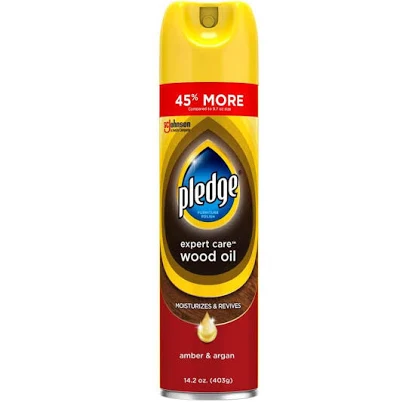
- mineral oil, argan oil blend
- We found no PFAS statement from the brand
- Fragrance allergens and undisclosed components
4 hazards checked on this product, all on its full breakdown.
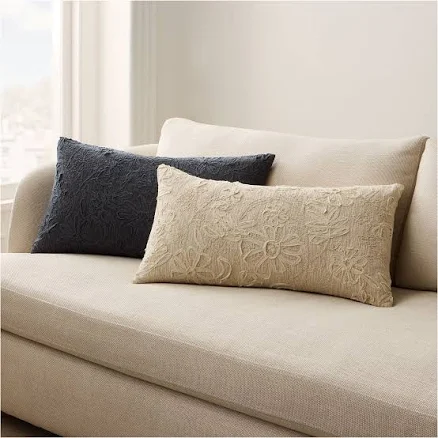
- 100% cotton canvas
- Azo dyes and dye contamination
3 hazards checked on this product, all on its full breakdown.
More outdoor furniture cushion protectants grades
How we score, every product runs through the same public 0-100 rubric based on materials, coatings, brand disclosure, lab findings, and recalls. See the full methodology → Spotted a mistake? Report an error.