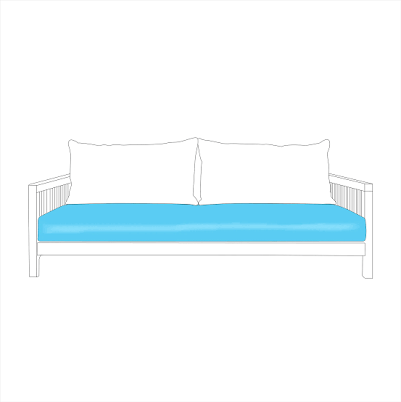
Sunbrella · Outdoor Furniture Cushion Protectants
Sunbrella Outdoor Custom Cushion Covers
Likely water-repellent coating-treated, Sunbrella silent on PFAS.
Sunbrella cushion covers use solution-dyed acrylic with water-repellent treatment. Brand won't disclose PFAS status or offer third-party verification.
The better-graded swap
Blazing Needles
74 in by 19 in Outdoor Solid Polyester Tufted Chaise Lounge Cushion
85/100 safety
Same rubric that flunked this product. The swap earned Excellent.
Still want this one anyway? Check the price on Amazon. We’d swap it.
Material
Sunbrella acrylic fabric with water-repellent coating treatment
Brand disclosure
Brand is silent on PFAS
Lab data
No public lab test
You may also be interested in
Top-graded picks in the categories readers replace first, every one scored on the same rubric.

- polypropylene filter housing, carbon/sediment cartridge
- We found no PFAS statement from the brand
- Bacterial growth in spent cartridges
3 hazards checked on this product, all on its full breakdown.

Aquasure
Premier Series 75 GPD Under Sink Reverse Osmosis Water Filtration System
- RO membrane, carbon filters, stainless steel housing
- We found no PFAS statement from the brand
- Bacterial and microbial growth in housing and filters
4 hazards checked on this product, all on its full breakdown.

Avocado
Vegan Mattress
- organic cotton, natural latex, coconut coir, recycled steel coils
- The brand calls it PFAS-free, which we have not verified
- Heavy metals
2 hazards checked on this product, all on its full breakdown.
What Sunbrella Outdoor Custom Cushion Covers is made of, ingredients and materials
Sunbrella cushion covers are made from solution-dyed acrylic fabric, a synthetic polymer chosen for UV and mildew resistance. The fabric is treated with a water-repellent coating (water-repellent coating) finish to shed rain and stains; Sunbrella does not publicly disclose whether this treatment contains PFAS compounds, which are standard in outdoor textile water-repellent chemistry. Acrylic fiber itself is stable and does not leach monomers or known toxins under normal use, but the finish and any applied flame retardants are the primary chemical concern.
What’s concerning
Category baseline
The starting point for this type of product, before anything specific to this product is counted.
No PFAS disclosure
No public statement from the brand about PFAS in this product.
Waterproof / stain-resistant treatment
Water-repellent coating treatments have historically used PFAS.
PFAS
Sunbrella does not disclose whether its water-repellent coating treatment uses PFAS or fluorine-free alternatives. water-repellent coating finishes on outdoor textiles are historically PFAS-heavy; without explicit confirmation, assume possible PFAS presence. This is graded separately per your PFAS framework (30/100), but the undisclosed finish is a material gap in product transparency.
Source, ATSDR ↗Flame retardants
Many outdoor cushion covers are treated with brominated or phosphorus-based flame retardants to meet flammability standards. Sunbrella does not specify treatment type or chemical identity for these covers. No recalls or contamination reports are on record, but absence of disclosure prevents risk assessment; acrylic fiber itself is inherently flame-resistant, so treatment rationale is unclear.
Source, EPA ↗Acrylic fiber degradation and microfiber shedding
Synthetic acrylic fabrics shed microfibers during wear and washing, though Sunbrella's tight weave and outdoor use (not against skin) minimize direct exposure. Washing releases microplastics into wastewater; this is an industry-wide concern for synthetics, not unique to Sunbrella, but relevant to end-of-life environmental impact.
What’s reassuring
Colorant and dye stability
Sunbrella solution-dyes its acrylic, meaning pigment is integrated into the fiber during manufacturing rather than applied topically. No reports of azo dye contamination, heavy metal dyes, or color-bleed toxicity exist for this brand. Fading and UV degradation occur cosmetically but do not generate known chemical hazards.
Off-gassing and VOC release
Acrylic fabric and standard water-repellent coating finishes do not typically release volatile organic compounds (VOCs) at room temperature or during normal outdoor storage. Sunbrella covers are not stored indoors near sleeping areas, limiting inhalation concern. No off-gassing complaints or test data are on record for this product line.
How is this PFAS grade calculated?
The brand's record and disclosure
Sunbrella, owned by Glen Raven, is a well-established outdoor textile brand with no recorded product recalls for chemical hazards. However, the company has not published transparency reports on PFAS use, flame retardant formulations, or third-party chemical testing of its cushion covers. Sunbrella markets durability and UV resistance heavily but remains silent on the chemistry of finishing treatments, which is common among outdoor furniture manufacturers but limits independent verification of safety claims.
How it compares in its category
Sunbrella cushion covers occupy the premium segment of outdoor fabric covers; they are more durable and fade-resistant than mass-market polyester alternatives, which often use cheaper water-repellent coating and flame retardant formulations. Compared to untreated natural fiber covers (cotton, linen) or PFAS-free synthetic options marketed by some smaller brands, Sunbrella's chemical composition is less transparent. Most outdoor cushion covers in this price range receive similar finishing treatments, so Sunbrella is representative rather than exceptional in its chemical footprint, though its brand longevity suggests consistent quality control.
If you buy it
Wash cushion covers in cold water with mild detergent and air-dry; avoid high heat or machine drying, which can degrade the water-repellent coating finish and potentially volatilize finishing chemicals. Do not dry clean or use strong solvents, as these may strip or alter the water-repellent coating. Inspect covers annually for staining, fading, or coating wear; replacement is typically warranted after 5-7 years of outdoor exposure or sooner if the water-beading property is visibly lost. Store covers indoors during off-season to extend life and reduce UV degradation of the acrylic fiber.
What is not known about PFAS in this product?
- Basis
- Model estimate, 45% confidence, not a lab result
- Lab test
- None on record for this exact product
- Brand statement
- Sunbrella has made none
Formulations change between production runs, so check the current label. How we grade.
What are the PFAS-free alternatives to Sunbrella Outdoor Custom Cushion Covers?
Blazing Needles
74 in by 19 in Outdoor Solid Polyester Tufted Chaise Lounge Cushion
- Polyester fill with polyester cover
- We found no PFAS statement from the brand
- Azo dyes in polyester textiles
2 hazards checked on this product, all on its full breakdown.
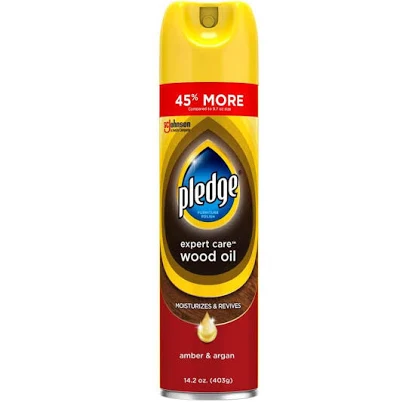
- mineral oil, argan oil blend
- We found no PFAS statement from the brand
- Fragrance allergens and undisclosed components
4 hazards checked on this product, all on its full breakdown.
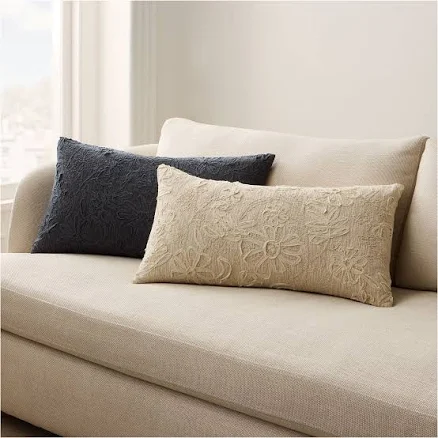
- 100% cotton canvas
- Azo dyes and dye contamination
3 hazards checked on this product, all on its full breakdown.
More outdoor furniture cushion protectants grades
How we score, every product runs through the same public 0-100 rubric based on materials, coatings, brand disclosure, lab findings, and recalls. See the full methodology → Spotted a mistake? Report an error.