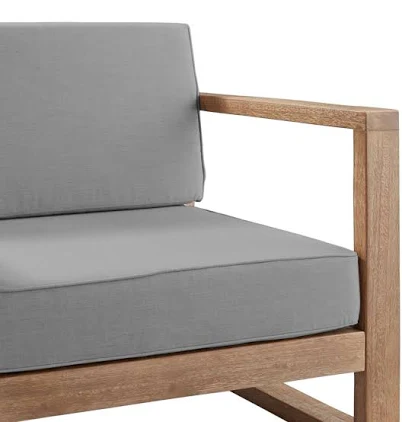
Sunbrella · Outdoor Furniture Cushion Protectants
Sunbrella Segovia Outdoor Chair Cushion Covers
Likely high PFAS risk, no disclosure on treatment.
Sunbrella cushion covers use durable acrylic with water-repellent coating and stain-resistant treatments. Sunbrella won't disclose PFAS-free status.
The better-graded swap
Blazing Needles
74 in by 19 in Outdoor Solid Polyester Tufted Chaise Lounge Cushion
85/100 safety
Same rubric that flunked this product. The swap earned Excellent.
Still want this one anyway? Check the price on Amazon. We’d swap it.
Material
Acrylic fabric with water and stain resistance treatment
Brand disclosure
Brand is silent on PFAS
Lab data
No public lab test
You may also be interested in
Top-graded picks in the categories readers replace first, every one scored on the same rubric.

- polypropylene filter housing, carbon/sediment cartridge
- We found no PFAS statement from the brand
- Bacterial growth in spent cartridges
3 hazards checked on this product, all on its full breakdown.

Aquasure
Premier Series 75 GPD Under Sink Reverse Osmosis Water Filtration System
- RO membrane, carbon filters, stainless steel housing
- We found no PFAS statement from the brand
- Bacterial and microbial growth in housing and filters
4 hazards checked on this product, all on its full breakdown.

Avocado
Vegan Mattress
- organic cotton, natural latex, coconut coir, recycled steel coils
- The brand calls it PFAS-free, which we have not verified
- Heavy metals
2 hazards checked on this product, all on its full breakdown.
What Sunbrella Segovia Outdoor Cushion Covers is made of, ingredients and materials
Sunbrella Segovia covers are solution-dyed acrylic fabric, meaning color is built into fibers rather than applied surface dyes. The water and stain resistance finish is a chemical treatment applied post-weave; acrylic itself is relatively inert, but the hydrophobic coating chemistry is proprietary and undisclosed. Acrylic does not off-gas formaldehyde or VOCs at the levels typical of polyester blends, making fiber choice low-risk. The durability and fade resistance of solution-dyed acrylic is well-established in outdoor furniture use.
What’s concerning
Category baseline
The starting point for this type of product, before anything specific to this product is counted.
No PFAS disclosure
No public statement from the brand about PFAS in this product.
Waterproof / stain-resistant treatment
Water-repellent coating treatments have historically used PFAS.
PFAS
Sunbrella's proprietary durable water repellency finish is almost certainly fluorine-based given industry standards for outdoor performance fabrics. The brand does not disclose ingredients, test results, or PFAS-free claims. Skin contact and inhalation during use or storage are low-dose but chronic exposure routes.
Source, ATSDR ↗Acrylic fiber shedding and microfiber release
Outdoor weathering, abrasion from use, and washing cause acrylic textiles to shed microfibers. Fibers released into the environment or inhaled during maintenance are a direct exposure pathway. Degree of shedding varies with fabric density and coating integrity; higher-quality Sunbrella construction minimizes this compared to budget acrylics.
Coating degradation and chemical leaching with age
As the water-resistant finish breaks down over years of sun, moisture, and temperature cycling, the underlying acrylic may leach residual treatment chemicals or break into smaller particles. Risk is low during normal use but increases if covers are left outdoors year-round in harsh climates without protective storage.
What’s reassuring
Formaldehyde / VOCs
Acrylic fibers do not inherently require formaldehyde-based resins, and no recalls or reports have surfaced for Sunbrella cushion covers. However, some acrylic finishes may include formaldehyde-releasing agents for wrinkle resistance or stiffness; Sunbrella does not test for or disclose this.
Source, ATSDR ↗Azo dyes (low risk due to solution-dyeing process)
Solution-dyed acrylic uses disperse dyes incorporated during fiber extrusion, not surface application. This process avoids problematic azo dyes associated with reactive dyeing. No safety concerns are documented for Sunbrella's color palette or dye chemistry.
How is this PFAS grade calculated?
The brand's record and disclosure
Sunbrella is owned by Glen Raven and is the dominant brand in outdoor performance fabrics. The company does not publicly disclose the specific chemistry of its water and stain repellency treatments, and does not provide PFAS-free certifications or testing results for consumer review. Sunbrella has not faced major recalls or safety litigation for cushion covers. The silence on treatment chemistry is typical of the outdoor fabric industry but leaves end-users unable to verify PFAS exposure risk.
How it compares in its category
Sunbrella dominates premium outdoor furniture textiles and is generally considered higher quality and more durable than budget acrylic alternatives or polyester blends. However, its market leadership does not translate to transparency, competing brands (e.g., Perennials, Outdura) similarly withhold treatment chemistry. Untreated natural cotton or linen cushion covers avoid the fluorochemical question but require more frequent cleaning and have shorter outdoor lifespan. PFAS-aware consumers have limited alternatives in the performance cushion market.
If you buy it
Store covers indoors during off-season to reduce UV and weather stress that degrades coating. Clean with mild soap and water or Sunbrella's recommended cleaner; avoid harsh scrubbing that abrades the finish and releases fibers. Do not use high-heat pressure washing, which can delaminate the coating and potentially aerosolize treatment chemicals. Replace covers when visible fading, stiffening, or water beading loss occurs (typically 5-10 years depending on climate); avoid stockpiling old covers in damp conditions where mold growth becomes a secondary hazard.
What is not known about PFAS in this product?
- Basis
- Model estimate, 45% confidence, not a lab result
- Lab test
- None on record for this exact product
- Brand statement
- Sunbrella has made none
Formulations change between production runs, so check the current label. How we grade.
What are the PFAS-free alternatives to Sunbrella Segovia Outdoor Chair Cushion Covers?
Blazing Needles
74 in by 19 in Outdoor Solid Polyester Tufted Chaise Lounge Cushion
- Polyester fill with polyester cover
- We found no PFAS statement from the brand
- Azo dyes in polyester textiles
2 hazards checked on this product, all on its full breakdown.
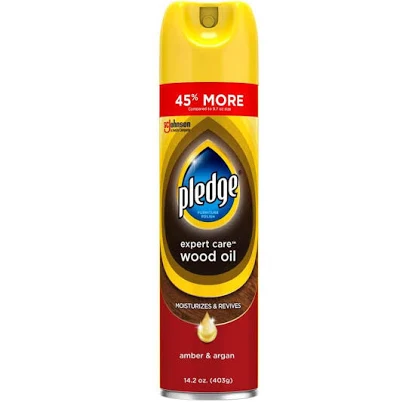
- mineral oil, argan oil blend
- We found no PFAS statement from the brand
- Fragrance allergens and undisclosed components
4 hazards checked on this product, all on its full breakdown.
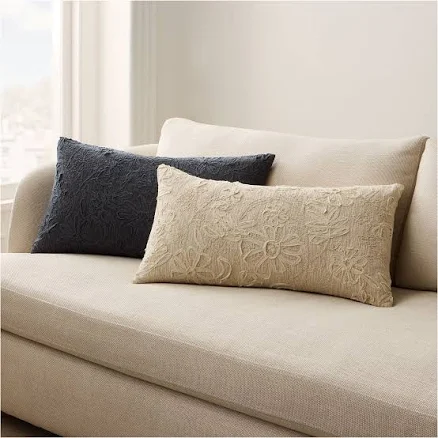
- 100% cotton canvas
- Azo dyes and dye contamination
3 hazards checked on this product, all on its full breakdown.
More outdoor furniture cushion protectants grades
How we score, every product runs through the same public 0-100 rubric based on materials, coatings, brand disclosure, lab findings, and recalls. See the full methodology → Spotted a mistake? Report an error.