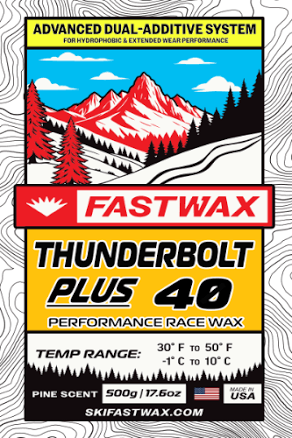
Thunderbolt Plus 40
Ski wax likely contains fluorocarbons. Disclosure unclear.
Thunderbolt Plus 40 is a high-fluorine ski wax. The brand does not disclose PFAS status, though performance waxes commonly use fluorocarbons for speed.
The better-graded swap
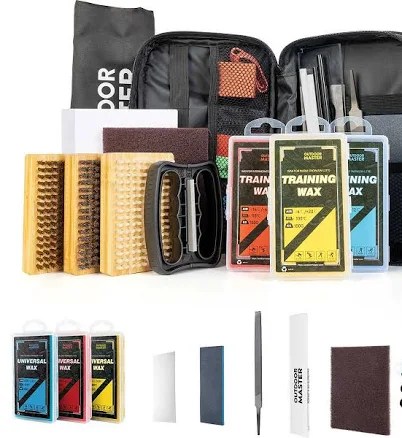
OutdoorMaster
OutdoorMaster Snowboard Tuning
85/100 safety
Same rubric that flunked this product. The swap earned Excellent.
Still want this one anyway? Check the price on Amazon. We’d swap it.
Material
wax-based ski base with possible fluorocarbon top coat
Brand disclosure
Brand is silent on PFAS
Lab data
No public lab test
You may also be interested in
Top-graded picks in the categories readers replace first, every one scored on the same rubric.

- polypropylene filter housing, carbon/sediment cartridge
- We found no PFAS statement from the brand
- Bacterial growth in spent cartridges
3 hazards checked on this product, all on its full breakdown.

Aquasure
Premier Series 75 GPD Under Sink Reverse Osmosis Water Filtration System
- RO membrane, carbon filters, stainless steel housing
- We found no PFAS statement from the brand
- Bacterial and microbial growth in housing and filters
4 hazards checked on this product, all on its full breakdown.

Avocado
Vegan Mattress
- organic cotton, natural latex, coconut coir, recycled steel coils
- The brand calls it PFAS-free, which we have not verified
- Heavy metals
2 hazards checked on this product, all on its full breakdown.
What Thunderbolt Plus 40 is made of, ingredients and materials
Thunderbolt Plus 40 is a wax-based ski base conditioner formulated for cold snow conditions, likely containing a paraffin or synthetic hydrocarbon wax core with a fluorocarbon top coat. Fluorocarbons in ski waxes improve glide and water repellency by reducing friction, but fluorinated compounds raise PFAS concerns when wax is applied, heated, or abraded during skiing. The base wax itself (paraffin/synthetic) poses minimal acute toxicity, but the fluorocarbon component is the material of concern.
What’s concerning
Category baseline
The starting point for this type of product, before anything specific to this product is counted.
No PFAS disclosure
No public statement from the brand about PFAS in this product.
Waterproof / stain-resistant treatment
Water-repellent coating treatments have historically used PFAS.
PFAS
Heating or abrading fluorinated wax releases dust and aerosols; acute respiratory irritation is rare but chronic low-level exposure concerns remain poorly studied in recreational users.
Source, ATSDR ↗Dust inhalation during application
Dry wax application and cork rubbing generate fine particles; occupational ski technicians with chronic exposure may face cumulative respiratory burden, though short-term recreational use poses minimal risk.
What’s reassuring
Paraffin wax thermal stability
Paraffin wax base does not degrade significantly at normal ski-ironing temperatures (130-160C); no established toxicity risk from base wax itself at these temperatures.
Leaching or skin contact
Ski wax does not leach into food or skin during normal use; direct skin contact causes no documented irritation or sensitization.
How is this PFAS grade calculated?
The brand's record and disclosure
The brand has not published detailed ingredient disclosure or PFAS-phase-out commitments on publicly available channels. The company manufactures performance ski products without transparent labeling of fluorocarbon content or fluorine percentage. No major safety recalls or regulatory actions specific to Thunderbolt Plus 40 are documented, but the broader ski wax industry has faced increasing scrutiny over fluorocarbon use, particularly in Alpine countries where some fluorinated waxes are restricted or discouraged.
How it compares in its category
Most cold-weather ski waxes on the market contain fluorocarbons for performance; Thunderbolt Plus 40 is typical in this regard. Fluorocarbon-free alternatives exist (paraffin-only or plant-based waxes) but generally offer reduced glide in very cold or icy conditions. The brand's positioning is mid-to-premium performance; competitors like Toko and Briko also use fluorinated products without explicit PFAS reduction programs.
If you buy it
Apply wax in well-ventilated spaces or outdoors; fluorocarbon wax dust and fumes from ironing should not be inhaled directly. Store in a cool, dry place away from children; ski wax is not toxic if ingested in tiny amounts but is not food-safe. Dispose of old wax in household waste or specialty sports recycling; do not burn or incinerate. Consider rotating with fluorocarbon-free waxes for lower-consequence training days to limit cumulative exposure.
What is not known about PFAS in this product?
- Basis
- Model estimate, 45% confidence, not a lab result
- Lab test
- None on record for this exact product
- Brand statement
- has made none
Formulations change between production runs, so check the current label. How we grade.
What are the PFAS-free alternatives to Thunderbolt Plus 40?
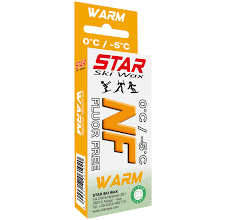
- hydrocarbon ski wax (non-fluorinated)
- The brand calls it PFAS-free, which we have not verified
- Volatile Organic Compounds (VOCs) and mineral oil vapor
3 hazards checked on this product, all on its full breakdown.
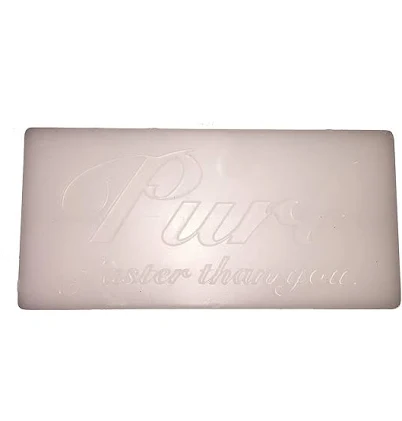
- hydrocarbon wax blend
- The brand calls it PFAS-free, which we have not verified
- Thermal degradation and fume emission
3 hazards checked on this product, all on its full breakdown.
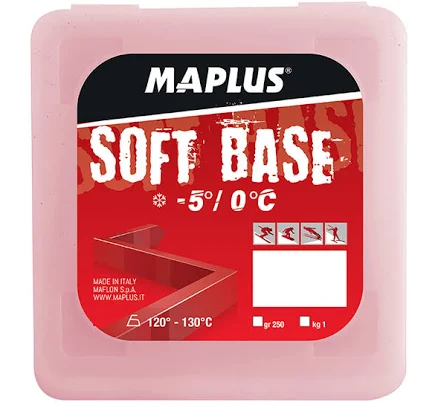
- Wax-based ski base, fluorine-free formulation
- The brand calls it PFAS-free, which we have not verified
- Inhalation of wax particulates and volatiles during application
More ski & sports wax grades
How we score, every product runs through the same public 0-100 rubric based on materials, coatings, brand disclosure, lab findings, and recalls. See the full methodology → Spotted a mistake? Report an error.