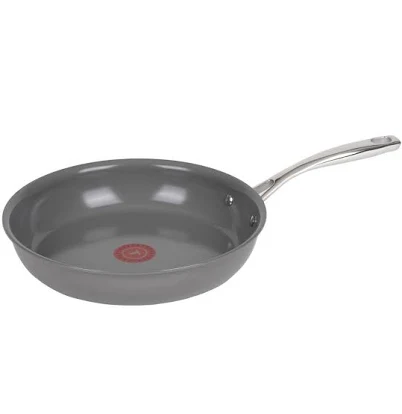
T-Fal Ceramic Excellence Nonstick Frypan
Ceramic coating suggests lower PFAS risk, but T-fal provides no disclosure.
T-fal markets this as ceramic nonstick, which is inherently lower PFAS concern than Teflon-type coating. However, the brand makes no public PFAS commitment and coating specifics remain undisclosed.
The better-graded swap
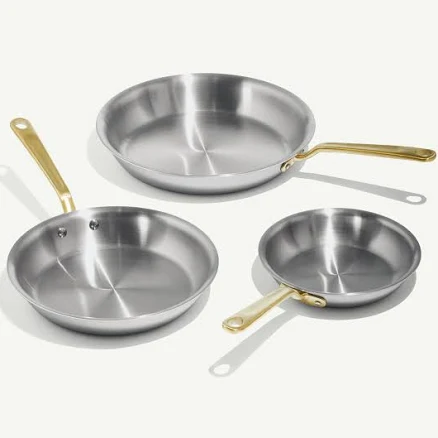
Made In
Made In Stainless Clad Frying Pan Set 3-Piece Professional-Grade 5-Layer Metal Construction
100/100 safety
Same rubric that flunked this product. The swap earned Excellent.
Still want this one anyway? Check the price on Amazon. We’d swap it.
Material
ceramic nonstick coating
Lab data
No public lab test
Is T-Fal Ceramic Excellence Nonstick Frypan non-toxic? What it is made of
T-Fal Ceramic Excellence uses a ceramic-based nonstick coating applied over aluminum cookware. Ceramic coatings are marketed as Teflon-type coating-free alternatives that avoid the fume hazard associated with traditional Teflon/Teflon-type coating cookware when overheated. However, ceramic coatings are mechanically softer than Teflon-type coating and degrade faster with use, and the underlying aluminum substrate may leach if the ceramic layer chips or wears through, particularly with acidic foods.
What’s concerning
Category baseline
The starting point for this type of product, before anything specific to this product is counted.
No PFAS disclosure
No public statement from the brand about PFAS in this product.
Non-stick, chemistry undisclosed
Marketed as non-stick without stating the coating chemistry.
Aluminum leaching
If the ceramic coating deteriorates or chips, the underlying aluminum substrate can contact acidic foods (tomatoes, citrus, vinegar). No data specific to T-Fal ceramic cookware exists, but aluminum leaching from cookware is documented when coatings fail.
Ceramic coating degradation and flaking
Consumer reviews and durability comparisons show ceramic nonstick coatings wear and peel faster than Teflon-type coating alternatives. Flaking ceramic particles entering food is a documented concern; T-Fal's specific durability record is unclear but consistent with category norms.
Handle or fastener leachables
T-Fal cookware handles may include polymers or adhesives not fully disclosed. No specific degradation data for T-Fal ceramic cookware handles is on record, but long-term heat exposure from handles near the pan rim could pose minor risk if low-quality materials are used.
What’s reassuring
Teflon-type coating fume risk
Ceramic coating formulation eliminates reliance on Teflon-type coating (polytetrafluoroethylene), so traditional Teflon-type coating decomposition fumes at high heat are not applicable to this product.
Lead
No public recalls or testing data suggest lead or cadmium contamination in T-Fal ceramic cookware. Ceramic coatings do not typically contain these metals, though third-party verification is absent.
Source, ATSDR ↗The full breakdown
The brand's record and disclosure
T-Fal (Groupe SEB subsidiary) does not publicly disclose specific PFAS content or absence in their ceramic cookware lines, leaving uncertainty about whether PFAS compounds are used in the coating formulation or manufacturing process. The brand has no notable third-party certifications (e.g., GOTS, Cradle to Cradle) for this product. No major recalls or safety controversies specific to T-Fal ceramic cookware are on public record, though ceramic coating durability complaints appear in consumer reviews.
How it compares in its category
Ceramic nonstick cookware occupies a middle ground, it avoids acute Teflon-type coating fume risk at high temperatures, but ceramic coatings typically fail sooner than Teflon-type coating (200-500 uses vs 1000+) and require gentler handling. Stainless steel or cast iron alternatives eliminate coating wear entirely but sacrifice convenience. Teflon-type coating brands that have committed to PFOA phaseout (e.g., GreenPan with PFOA-free statements) offer clearer disclosure; T-Fal's silence makes direct comparison difficult.
If you buy it
Use at medium heat or lower; avoid preheating empty or letting it exceed 400F, as ceramic coatings can degrade faster at high sustained temperatures. Hand wash with soft sponges to minimize coating erosion. Do not use metal utensils or abrasive scrubbers. Inspect the coating regularly for chips, cracks, or flaking; once visible damage appears, retire the pan to avoid aluminum leaching into food. Replace every 2-3 years if used frequently.
What we don’t know
- Basis
- Model estimate, 72% confidence, not a lab result
- Lab test
- None on record for this exact product
- Brand statement
- T-fal has made a specific claim
Formulations change between production runs, so check the current label. How we grade.
Better-graded alternatives in Cookware
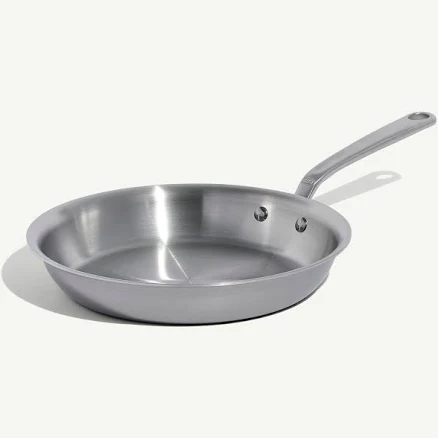
Made In
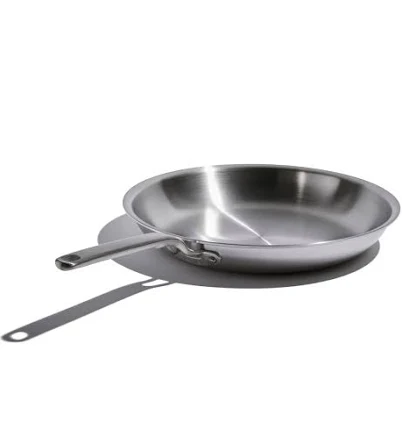
Stainless Clad Fry Pan
- Stainless steel clad construction, no nonstick coating
- The brand calls it PFAS-free, which we have not verified
- Clad separation or delamination over time
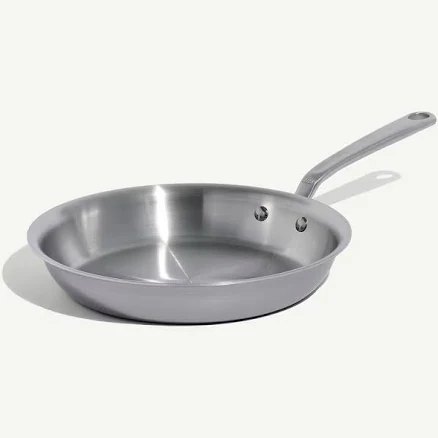
Made In
10' Stainless Clad Frying Pan
- stainless steel clad construction, no nonstick coating
- The brand calls it PFAS-free, which we have not verified
- Nickel leaching from stainless steel
3 hazards checked on this product. See all of them.
Heritage Steel
Eater Fry Pan
- Clad stainless steel, no coating
- The brand calls it PFAS-free, which we have not verified
- Metal ion release during cooking (iron, nickel, chromium)
More cookware grades
How we score, every product runs through the same public 0-100 rubric based on materials, coatings, brand disclosure, lab findings, and recalls. See the full methodology → Spotted a mistake? Report an error.