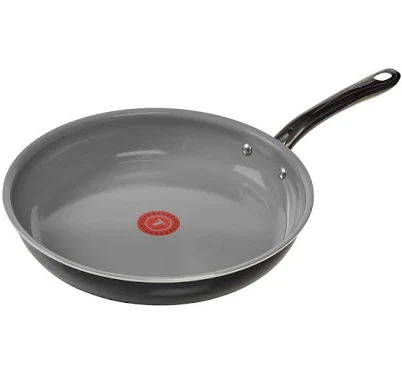
T-Fal Preserve Ceramic Non-Stick Frypan
Ceramic non-stick coating with undisclosed chemistry and no brand PFAS statement.
This frypan has a ceramic non-stick coating. T-Fal has not disclosed the coating chemistry or made a statement about PFAS in this product. The ceramic material itself is not a known PFAS source, but the specific formulation of the non-stick component is not stated on record.
The better-graded swap
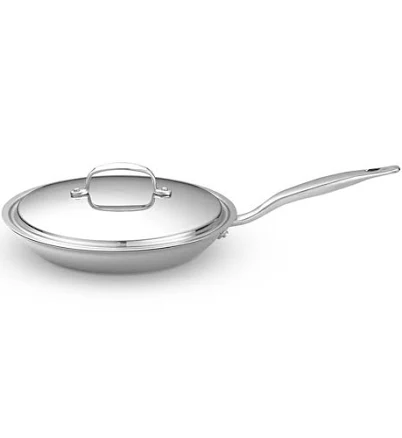
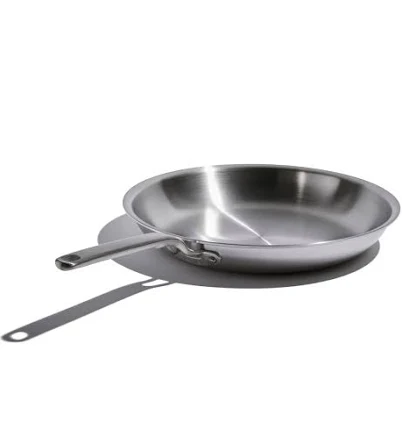
Heritage Steel
Heritage Steel 10.5" Fry Pan with Lid
100/100 safety
Same rubric that flunked this product. The swap earned Excellent.
Still want this one anyway? Check the price on Amazon. We’d swap it.
Material
ceramic non-stick coating
Lab data
No public lab test
Is T-Fal Preserve Ceramic Non-Stick Frypan non-toxic? What it is made of
T-fal Preserve uses a ceramic non-stick coating rather than traditional Teflon-type coating (Teflon), which eliminates the fume-release hazard associated with overheating conventional non-stick cookware. The underlying cookware is typically hard-anodized aluminum with a ceramic topcoat, meaning the pan's body conducts heat efficiently but requires the integrity of that ceramic layer to prevent direct aluminum contact with food. Ceramic coatings are inorganic and do not off-gas harmful volatile compounds under normal cooking temperatures.
What’s concerning
Category baseline
The starting point for this type of product, before anything specific to this product is counted.
No PFAS disclosure
No public statement from the brand about PFAS in this product.
Non-stick, chemistry undisclosed
Marketed as non-stick without stating the coating chemistry.
Ceramic coating degradation and particle shedding
Ceramic non-stick coatings are generally more fragile than Teflon-type coating and can chip or flake with age, heavy use, or thermal cycling. T-fal has not published data on coating stability; if particles enter food, the health impact depends on ceramic composition (usually silica-based and inert, but not officially stated for this model).
Aluminum leaching from substrate exposure
If the ceramic coating cracks or wears, the underlying hard-anodized aluminum can contact acidic foods (tomato sauce, citrus, wine). Anodized coatings are designed to prevent leaching, but damage compromises this barrier; T-fal does not specify anodize thickness or testing for this pan.
PFAS
Although the finished ceramic coating itself does not contain PFAS, some ceramic non-stick manufacturing may employ PFAS-based processing aids that could leave trace residues. T-fal's silence on this point means independent verification is unavailable; competitors like GreenPan explicitly market PFAS-free manufacturing, but third-party confirmation is lacking industry-wide.
Source, ATSDR ↗What’s reassuring
Teflon-type coating fume risk
Because this pan uses ceramic rather than Teflon-type coating, the hazard of perfluorooctanoic acid (PFOA) and polytetrafluoroethylene decomposition fumes at high temperatures is eliminated, a meaningful advantage over conventional non-stick cookware.
Heavy metals
No public recalls or testing results indicate lead or cadmium in T-fal Preserve ceramic coatings. Ceramic cookware from reputable manufacturers typically avoids these pigments, but T-fal does not publish safety test data.
Source, FDA ↗The full breakdown
The brand's record and disclosure
T-fal (Group SEB) does not publicly disclose whether its ceramic coating contains PFAS precursors or processing residues, which is a gap in transparency relative to some competitors. The brand has no widely documented recalls or safety controversies specific to this non-stick line. T-fal does not publish third-party certifications (e.g., Greenguard, NSF) for this product, leaving verification of coating composition to the buyer's trust in the ceramic claim alone.
How it compares in its category
Ceramic non-stick cookware sits between Teflon-type coating non-stick (faster heating, greater fume risk if overheated) and bare stainless steel (no fume risk, requires more oil, inferior non-stick performance). T-fal's ceramic line is mid-range in durability reputation; ceramic coatings generally wear faster than Teflon-type coating under heavy use and repetitive metal utensil contact. Brands like GreenPan and Our Place offer similar ceramic alternatives with stronger marketing around PFAS-free status, though independent verification of those claims is also limited.
If you buy it
Keep heat at medium or below; ceramic non-stick can degrade if overheated repeatedly, and the brand does not specify a maximum temperature threshold. Hand-wash only; dishwashers accelerate coating wear. Inspect the surface regularly for chips, cracks, or loss of non-stick properties; discard the pan if the coating begins to peel, as you may then ingest ceramic particles or contact the aluminum substrate. Avoid metal utensils and abrasive scouring; use silicone or wooden tools instead.
What we don’t know
- Basis
- Model estimate, 72% confidence, not a lab result
- Lab test
- None on record for this exact product
- Brand statement
- T-fal has made a specific claim
Formulations change between production runs, so check the current label. How we grade.
Better-graded alternatives in Cookware
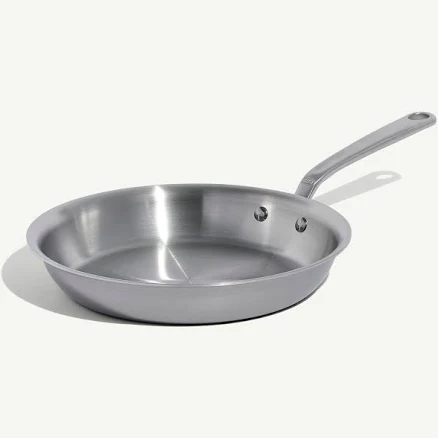
Made In
Stainless Clad Fry Pan
- Stainless steel clad construction, no nonstick coating
- The brand calls it PFAS-free, which we have not verified
- Clad separation or delamination over time
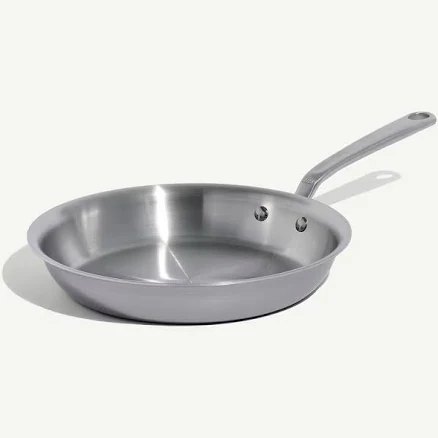
Made In
10' Stainless Clad Frying Pan
- stainless steel clad construction, no nonstick coating
- The brand calls it PFAS-free, which we have not verified
- Nickel leaching from stainless steel
3 hazards checked on this product. See all of them.
Heritage Steel
Eater Fry Pan
- Clad stainless steel, no coating
- The brand calls it PFAS-free, which we have not verified
- Metal ion release during cooking (iron, nickel, chromium)
More cookware grades
How we score, every product runs through the same public 0-100 rubric based on materials, coatings, brand disclosure, lab findings, and recalls. See the full methodology → Spotted a mistake? Report an error.