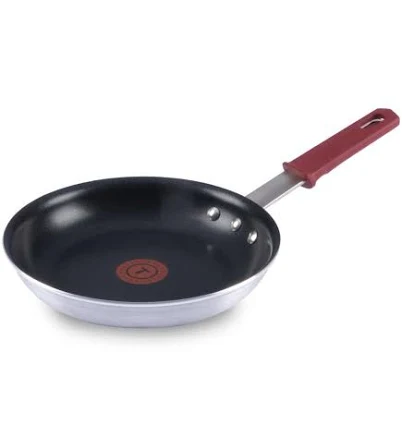
T-fal Professional VX3 Brushed Nonstick Fry Pan
Teflon-type coating nonstick cookware; T-fal does not disclose PFAS status.
T-fal VX3 uses traditional Teflon-type coating nonstick coating, a Teflon-family coating linked to PFAS. Brand makes no public PFAS commitment or testing disclosure. Higher concern for PFAS exposure vs. ceramic or bare alternatives.
The better-graded swap
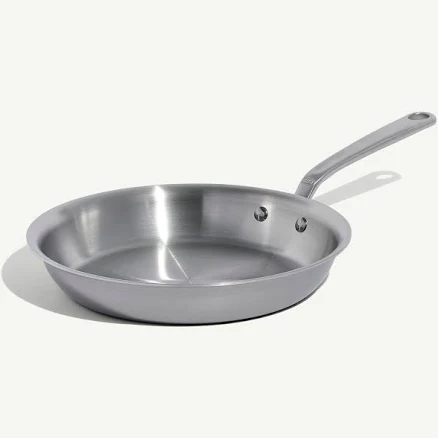
Made In
Made In Stainless Clad Fry Pan
100/100 safety
Same rubric that flunked this product. The swap earned Excellent.
Still want this one anyway? Check the price on Amazon. We’d swap it.
Material
Teflon-type coating nonstick coating on aluminum base
Lab data
No public lab test
Is T-fal Professional VX3 Brushed Nonstick non-toxic? What it is made of
This pan has a Teflon-type coating (polytetrafluoroethylene, commonly known as Teflon) nonstick coating bonded to an aluminum base. Teflon-type coating is stable when used at normal cooking temperatures but begins to degrade and release fumes above 500F; aluminum cookware can leach small amounts of the metal into acidic foods if the nonstick coating degrades or is scratched. T-fal's specific formulation and bonding method are not publicly detailed, so performance and durability are inferred from the product category rather than brand-specific testing.
What’s concerning
PTFE / Teflon confirmed
Uses Teflon-type coating (Teflon), a Teflon-family coating in the PFAS family.
Category baseline
The starting point for this type of product, before anything specific to this product is counted.
No PFAS disclosure
No public statement from the brand about PFAS in this product.
Teflon-type coating thermal decomposition and fume inhalation
Teflon-type coating coatings degrade above 500F and release toxic fumes (including carbonyl fluoride and other fluorinated compounds). While this pan's stated use is below this threshold, overheating, preheating empty, or accidental high heat exposure poses inhalation risk. No recall history for this model, suggesting normal use compliance, but risk is material if users ignore temperature guidance.
Aluminum leaching upon coating degradation
The aluminum substrate will migrate into food if the Teflon-type coating peels or scratches. Normal use minimizes this, but scratches from metal utensils or dishwasher abrasion expose the base. Long-term aluminum accumulation from cookware is debated, but individuals with kidney disease or cognitive concerns should limit exposure and inspect coating regularly.
Coating adhesion and durability failure over time
Standard Teflon-type coating nonstick cookware, including T-fal products, shows measurable coating wear after 2-3 years of regular use and dishwashing. Consumer reports and product reviews consistently note flaking and loss of nonstick properties; this is not a recall issue but a known material limitation that triggers early replacement need.
What’s reassuring
Lead
T-fal's brushed stainless steel exterior and phenolic handle do not typically use ceramic glaze. No lead or cadmium contamination has been reported for this model. Cookware of this price and modern manufacture in EU/North America generally avoids these heavy metals, but lack of third-party certification means this assessment relies on category norms.
Source, ATSDR ↗Phenolic handle degradation or plastic leaching
The handle is listed as phenolic resin, which is chemically stable and does not leach BPA or phthalates. No adverse reports exist for T-fal handles. However, phenolic handles can become brittle or crack over time and, if exposed to very high sustained heat (near a hot burner), may off-gas small amounts of unreacted phenol. Normal cooking use poses negligible risk.
The full breakdown
The brand's record and disclosure
T-fal (a Groupe SEB brand) does not publicly disclose whether their Teflon-type coating coatings contain PFOA or other long-chain PFAS compounds, nor do they provide third-party certification of PFAS content. The brand has faced no major recalls specifically for this model. T-fal has not published a PFAS elimination timeline or reformulation commitment, placing it in the silent-disclosure category alongside most conventional nonstick manufacturers.
How it compares in its category
This pan sits squarely in the mainstream nonstick market. It is cheaper and more heat-tolerant than ceramic alternatives (which lack durability data) but offers no transparency advantage over competitors like Calphalon or GreenPan. Compared to stainless steel or cast iron, it trades longevity for convenience; compared to newer Teflon-type coating-free brands (e.g., Our Place, Caraway), it lacks independent PFAS verification. The brushed exterior finish is standard for this price tier and does not indicate lower coating toxicity.
If you buy it
Never exceed 400-450F during cooking; preheating empty or use above 500F will accelerate Teflon-type coating degradation and fume release. Hand-wash only; dishwasher use accelerates coating wear. Discard the pan if the nonstick surface visibly peels, flakes, or scratches to bare aluminum; even small breaches allow leaching. Replace every 3-5 years or sooner if coating integrity fails. Use silicone or wood utensils exclusively and avoid abrasive scouring pads.
What we don’t know
- Basis
- Model estimate, 72% confidence, not a lab result
- Lab test
- None on record for this exact product
- Brand statement
- T-fal has made a specific claim
Formulations change between production runs, so check the current label. How we grade.
Better-graded alternatives in Cookware
Made In
Stainless Clad Fry Pan
- Stainless steel clad construction, no nonstick coating
- The brand calls it PFAS-free, which we have not verified
- Clad separation or delamination over time
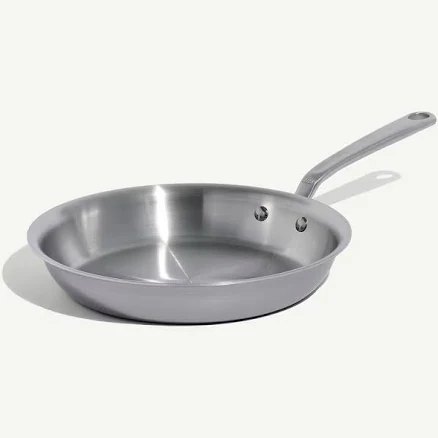
Made In
10' Stainless Clad Frying Pan
- stainless steel clad construction, no nonstick coating
- The brand calls it PFAS-free, which we have not verified
- Nickel leaching from stainless steel
3 hazards checked on this product. See all of them.
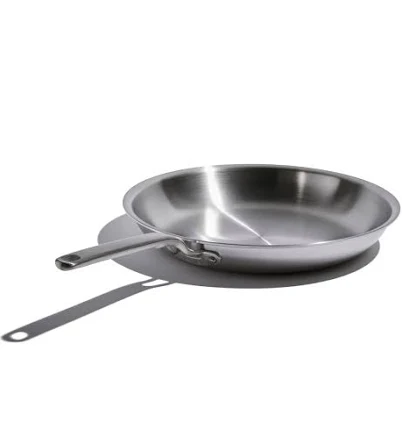
Heritage Steel
Eater Fry Pan
- Clad stainless steel, no coating
- The brand calls it PFAS-free, which we have not verified
- Metal ion release during cooking (iron, nickel, chromium)
More cookware grades
How we score, every product runs through the same public 0-100 rubric based on materials, coatings, brand disclosure, lab findings, and recalls. See the full methodology → Spotted a mistake? Report an error.