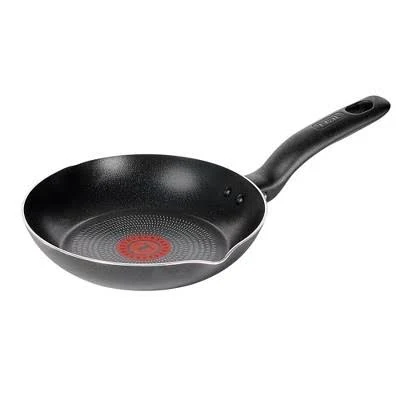
T-Fal Simply Cook Nonstick Fry Pan
Teflon-type coating non-stick coating, disclosed by the brand.
T-fal lists this range among its products containing intentionally added PFAS and says its nonstick contains Teflon-type coating, a Teflon-family coating in the PFAS family.
The better-graded swap
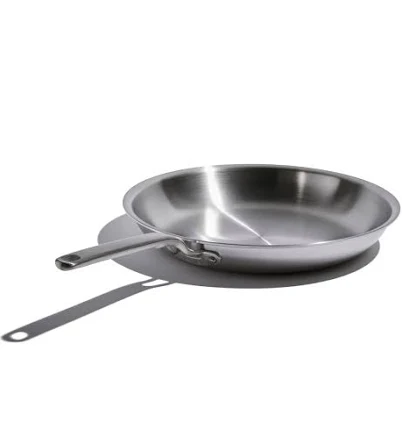
Heritage Steel
Heritage Steel Eater Fry Pan
100/100 safety
Same rubric that flunked this product. The swap earned Excellent.
Still want this one anyway? Check the price on Amazon. We’d swap it.
Material
Teflon-type coating non-stick coating, as disclosed by T-fal for this range
Lab data
No public lab test
Is T-Fal Simply Cook Nonstick Fry Pan non-toxic? What it is made of
T-Fal Simply Cook uses Teflon-type coating (polytetrafluoroethylene), the same synthetic Teflon-family coating in most major non-stick cookware. Teflon-type coating itself is chemically inert at normal cooking temperatures, but the manufacturing and degradation of Teflon-type coating-based coatings involves or releases PFAS "forever chemicals" (PFAS), a class of persistent chemicals. The pan's aluminum core conducts heat efficiently but is sealed under the Teflon-type coating layer, so direct aluminum leaching into food is unlikely under normal use.
What’s concerning
No PFAS disclosure
No PFAS-free statement from the brand for this product.
PTFE / Teflon confirmed
The brand discloses a Teflon-type coating.
Category baseline
The starting point for this type of product, before anything specific to this product is counted.
Teflon-type coating thermal decomposition and fume inhalation
Heating Teflon-type coating above 500 degrees F can release fluorinated compounds that cause polymer fume fever (acute, reversible respiratory irritation). T-Fal does not prominently label maximum safe temperature on all product variants, creating user error risk.
Coating degradation and particle ingestion
Non-stick coatings on pans of this price tier commonly chip or peel with age and use. Ingestion of small Teflon-type coating particles is of low toxicity, but the coating loss also exposes the aluminum substrate and compromises food safety properties.
What’s reassuring
Aluminum core leaching
Teflon-type coating is bonded to the aluminum core; under normal cooking conditions and pH, the coating prevents direct contact. No established reports of aluminum leaching from T-Fal Simply Cook pans at typical use.
Lead
T-Fal cookware does not use ceramic enamel glazes that historically carried lead risk. The aluminum core is cast, not glazed, so traditional lead-in-glaze hazards do not apply.
Source, ATSDR ↗Off-gassing or VOC emissions at room temperature
Teflon-type coating does not off-gas volatile organic compounds under normal storage or ambient conditions. No VOC or formaldehyde-release hazards are associated with Teflon-type coating non-stick cookware.
The full breakdown
The brand's record and disclosure
T-Fal (Groupe SEB) does not publicly disclose PFAS content, phase-out timelines, or alternatives in development for this product line. The brand has not sought third-party certifications (such as GREENGUARD or similar) that would indicate commitment to restricted PFAS use. No major recalls or safety violations specific to T-Fal Simply Cook non-stick coating are on record, but the absence of transparency on PFAS is consistent with the industry norm for traditional Teflon-type coating cookware.
How it compares in its category
Most affordable non-stick cookware in mass retail (T-Fal, Calphalon, Rachael Ray, etc.) uses Teflon-type coating with similar PFAS profiles. Ceramic and stainless-steel alternatives eliminate Teflon-type coating and PFAS but sacrifice non-stick convenience and cook unevenly at lower price points. Premium brands (GreenPan, Our Place) offer ceramic or ceramic-hybrid coatings with lower PFAS association, though durability and non-stick performance typically decline faster than Teflon-type coating.
If you buy it
Do not heat the empty pan above 500 degrees Fahrenheit; Teflon-type coating degrades and can emit fumes at higher temperatures. Hand-wash only; dishwasher and metal utensils accelerate coating wear. Replace the pan within 3-5 years or sooner if the coating visibly chips, peels, or loses non-stick properties; continued use of a degraded coating increases fume and particle risk. Avoid preheating for extended periods and use low to medium heat for most tasks.
What we don’t know
- Basis
- Model estimate, 35% confidence, not a lab result
- Lab test
- None on record for this exact product
- Brand statement
- T-fal has made a specific claim
Formulations change between production runs, so check the current label. How we grade.
Better-graded alternatives in Cookware
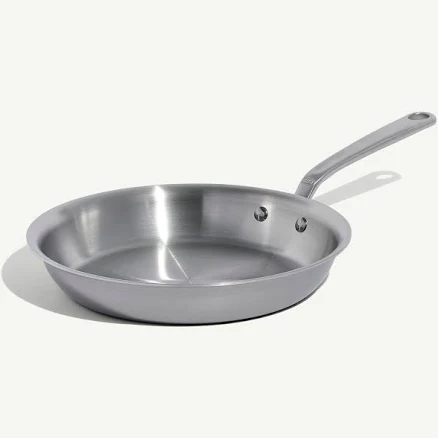
Made In
Stainless Clad Fry Pan
- Stainless steel clad construction, no nonstick coating
- The brand calls it PFAS-free, which we have not verified
- Clad separation or delamination over time
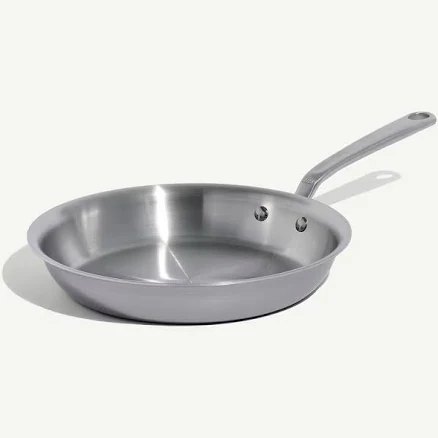
Made In
10' Stainless Clad Frying Pan
- stainless steel clad construction, no nonstick coating
- The brand calls it PFAS-free, which we have not verified
- Nickel leaching from stainless steel
3 hazards checked on this product. See all of them.
Heritage Steel
Eater Fry Pan
- Clad stainless steel, no coating
- The brand calls it PFAS-free, which we have not verified
- Metal ion release during cooking (iron, nickel, chromium)
More cookware grades
How we score, every product runs through the same public 0-100 rubric based on materials, coatings, brand disclosure, lab findings, and recalls. See the full methodology → Spotted a mistake? Report an error.