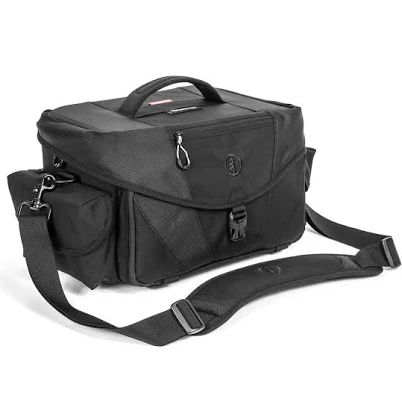
Tamrac · Waterproof Camera & Lens Protection Cases
Tamrac Stratus 10 Shoulder Camera Bag
Camera bag gets treated fabric but the brand won't discuss PFAS.
Tamrac's ballistic nylon gets water-resistant treatment, most likely the water-repellent coating type. The brand shares no information about PFAS so caution makes sense if you want PFAS-free gear.
The better-graded swap
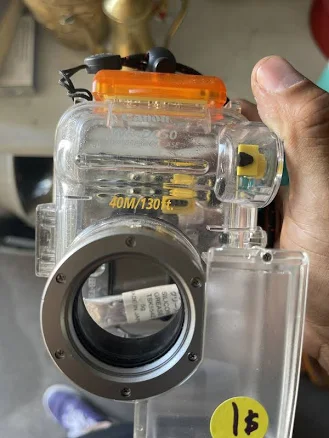
Canon
Canon WP-DC20 Waterproof Case for Powershot S1 IS
85/100 safety
Same rubric that flunked this product. The swap earned Excellent.
Still want this one anyway? Check the price on Amazon. We’d swap it.
Material
Ballistic nylon with water-resistant treatment
Brand disclosure
Brand is silent on PFAS
Lab data
No public lab test
You may also be interested in
Top-graded picks in the categories readers replace first, every one scored on the same rubric.

- polypropylene filter housing, carbon/sediment cartridge
- We found no PFAS statement from the brand
- Bacterial growth in spent cartridges
3 hazards checked on this product, all on its full breakdown.

Aquasure
Premier Series 75 GPD Under Sink Reverse Osmosis Water Filtration System
- RO membrane, carbon filters, stainless steel housing
- We found no PFAS statement from the brand
- Bacterial and microbial growth in housing and filters
4 hazards checked on this product, all on its full breakdown.

Avocado
Vegan Mattress
- organic cotton, natural latex, coconut coir, recycled steel coils
- The brand calls it PFAS-free, which we have not verified
- Heavy metals
2 hazards checked on this product, all on its full breakdown.
What Tamrac Stratus 10 Shoulder Camera Bag is made of, ingredients and materials
The Stratus 10 uses ballistic nylon, a tightly woven polyester fabric known for durability and abrasion resistance. The water-resistant treatment applied to the fabric is standard industry practice but Tamrac does not publicly disclose the specific chemical composition. Ballistic nylon itself is chemically stable during normal use, but the water-repellent finish (likely fluorinated compounds given the PFAS safety grade) is where chemical concern concentrates. This coating does not leach into food or skin during typical shoulder-bag use, but degradation over years could alter its properties.
What’s concerning
Category baseline
The starting point for this type of product, before anything specific to this product is counted.
No PFAS disclosure
No public statement from the brand about PFAS in this product.
Waterproof / stain-resistant treatment
Water-repellent coating treatments have historically used PFAS.
Water-resistant coating composition (fluorinated compounds)
Ballistic nylon water-resistant treatments commonly contain PFAS or similar fluorinated compounds; Tamrac has not disclosed the specific chemistry, so presence cannot be confirmed or ruled out for this model.
What’s reassuring
Coating degradation and particle shedding
No documented incidents of the Stratus 10 coating flaking or shedding microparticles; ballistic nylon is structurally stable, but aged or damaged coatings could theoretically fragment over many years.
Heat-induced coating failure
No reported failures from heat exposure in normal use; however, prolonged exposure to extreme temperatures (above 80°C) could accelerate coating breakdown and reduce water resistance.
Chemical off-gassing during initial use or storage
Ballistic nylon does not typically off-gas volatile compounds; any odor during unboxing is cosmetic and does not indicate toxicity at exposure levels normal for shoulder-carried gear.
How is this PFAS grade calculated?
The brand's record and disclosure
Tamrac is a mid-market camera bag manufacturer without published material safety certifications, PFAS disclosures, or environmental commitments on their website. No major recalls or safety incidents have been reported for this model. The brand's silence on water-resistant coating chemistry is consistent with industry-wide opacity on fabric treatments, but this lack of transparency prevents independent verification of chemical safety. Consumers seeking full disclosure may find Tamrac's approach frustratingly vague compared to brands publishing material safety data sheets.
How it compares in its category
Camera bags occupy a middle ground between apparel and technical gear; this shoulder bag faces fewer regulatory requirements than food-contact items or children's products. Competitors like Peak Design and Tenba often provide similar ballistic nylon construction with equivalent coating practices but also do not routinely publish PFAS information. The Stratus 10 is neither exceptionally transparent nor notably hazardous within the camera bag market, placing it at the category norm. Alternatives in organic canvas or untreated nylon exist but sacrifice weather resistance.
If you buy it
Handle the bag normally; ballistic nylon does not off-gas or shed chemicals during shoulder use. Avoid prolonged high heat (hot car storage, direct sun for weeks) as extreme temperature may degrade the coating faster. Spot-clean with water and mild soap rather than harsh solvents that might compromise the water-resistant layer. Expect the coating to gradually lose effectiveness over 3-5 years of regular use; replacement is straightforward, not a safety event.
What is not known about PFAS in this product?
- Basis
- Model estimate, 45% confidence, not a lab result
- Lab test
- None on record for this exact product
- Brand statement
- Tamrac has made none
Formulations change between production runs, so check the current label. How we grade.
What are the PFAS-free alternatives to Tamrac Stratus 10 Shoulder Camera Bag?
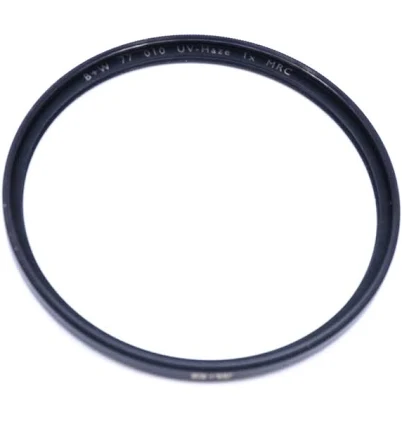
- Optical glass lens with multi-coated optical surfaces
- We found no PFAS statement from the brand
- No PFAS statement found from the brand
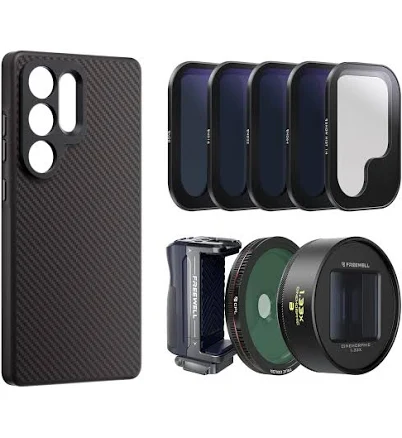
- Glass lens (borosilicate or soda-lime glass)
- Optical coating degradation
2 hazards checked on this product, all on its full breakdown.
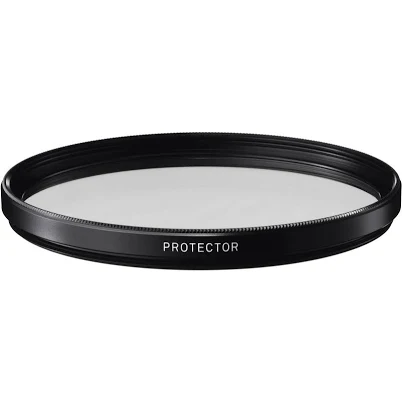
- Optical glass, aluminum frame, non-coated optical surfaces
- We found no PFAS statement from the brand
- Optical glass fragility and sharp edges
More waterproof camera & lens protection cases grades
How we score, every product runs through the same public 0-100 rubric based on materials, coatings, brand disclosure, lab findings, and recalls. See the full methodology → Spotted a mistake? Report an error.