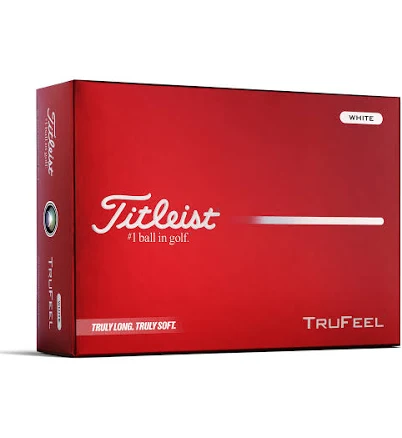
Titleist · Golf Balls & Equipment
Titleist TruFeel Golf Balls
Golf balls are lower priority concern, coating materials unverified by brand.
Titleist does not disclose PFAS or coating composition for this ball. Synthetic polymer golf ball covers may involve PFAS in manufacturing, but confirmation is lacking.
The better-graded swap
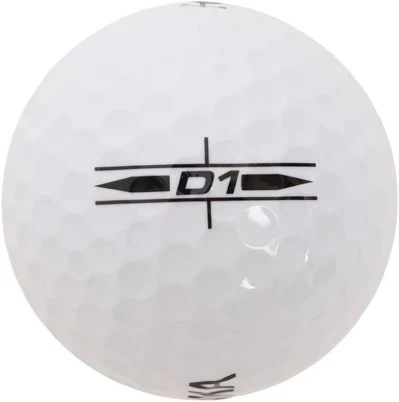
Honma
HONMA GOLF D1 2022 GOLF Ball
85/100 safety
Same rubric that flunked this product. The swap earned Excellent.
Still want this one anyway? Check the price on Amazon. We’d swap it.
Material
Ionomer/synthetic polymer cover, rubber core
Brand disclosure
Brand is silent on PFAS
Lab data
No public lab test
You may also be interested in
Top-graded picks in the categories readers replace first, every one scored on the same rubric.

Aqua Pure
3M Aqua-Pure AP802B Whole House Filter Housing
- polypropylene filter housing, carbon/sediment cartridge
- We found no PFAS statement from the brand
- Bacterial growth in spent cartridges
3 hazards checked on this product. See all of them.

Aquasure
Premier Series 75 GPD Under Sink Reverse Osmosis Water Filtration System
- RO membrane, carbon filters, stainless steel housing
- We found no PFAS statement from the brand
- Bacterial and microbial growth in housing and filters
4 hazards checked on this product. See all of them.

Avocado
Vegan Mattress
- organic cotton, natural latex, coconut coir, recycled steel coils
- The brand calls it PFAS-free, which we have not verified
- Heavy metals
2 hazards checked on this product. See all of them.
What Titleist TruFeel Golf Balls is made of, ingredients and materials
TruFeel golf balls feature an ionomer copolymer cover (a thermoset plastic) wrapped around a rubber core. Ionomer is chemically stable and does not leach during normal use because golf balls experience mechanical stress, not heat or chemical exposure in typical play. The cover is designed for durability and impact resistance rather than food contact, so traditional food-safety hazards (BPA, phthalates) are not applicable here.
What’s concerning
Category baseline
The starting point for this type of product, before anything specific to this product is counted.
No PFAS disclosure
No public statement from the brand about PFAS in this product.
Unknown / proprietary coating
A coating is recorded with no disclosed chemistry.
Ionomer cover degradation and microparticle shedding
Ionomer copolymer covers can shed microscopic particles under repeated impact and abrasion. Inhalation risk during play is negligible, but long-term environmental accumulation in soil and water is unstudied; this is not a direct consumer safety issue but reflects incomplete material lifecycle data.
PFAS
Ionomer copolymers may contain PFAS-based processing aids or coatings to enhance durability and water repellency. Titleist has not confirmed or denied PFAS use; golf ball PFAS content is a known gap in public disclosure across the industry, though exposure risk during play is minimal.
Source, ATSDR ↗What’s reassuring
Rubber core degradation products
Rubber cores are chemically inert during normal play. No documented hazards from off-gassing, leaching, or volatile organic compound (VOC) release have been established for golf ball rubber under typical storage or use conditions.
Heavy metals
Titleist does not disclose pigment composition for ball surface finishes. If metals (lead, cadmium) were present in paint layers, dermal or ingestion exposure during play would be negligible; no recalls or alerts exist for this hazard in golf balls.
Source, FDA ↗Formaldehyde / VOCs
Manufacturing adhesives binding ionomer cover to rubber core are not disclosed by Titleist. Residual formaldehyde or solvent off-gassing during storage is not documented and is unlikely given the product's low temperature exposure and sealed construction.
Source, ATSDR ↗The full breakdown
The brand's record and disclosure
Titleist is owned by Acushnet Holdings and has not published detailed material safety disclosures for golf ball construction, nor has the brand publicly addressed PFAS in its ball products. No recalls or safety controversies involving TruFeel balls are documented in public databases. The brand's silence on PFAS reflects industry-wide lack of transparency rather than a red flag specific to this product.
How it compares in its category
Golf balls are a low-priority exposure category for consumer chemical hazards compared to cookware, food storage, or textiles. All major brands (Callaway, Bridgestone, TaylorMade) use similar ionomer or polyurethane covers with rubber cores; TruFeel sits in the mainstream without known material advantages or disadvantages. No peer products have documented safety certifications or third-party testing.
If you buy it
Golf balls require no special handling or maintenance beyond routine cleaning with water. Store in a cool, dry place away from direct sunlight, which can degrade rubber over years. Balls are designed for complete replacement when scuffing or loss occurs; there is no benefit to prolonged storage. Avoid high heat (above 140°F) during storage, though normal play temperatures pose no risk.
What we don’t know
- Basis
- Model estimate, 45% confidence, not a lab result
- Lab test
- None on record for this exact product
- Brand statement
- Titleist has made none
Formulations change between production runs, so check the current label. How we grade.
Better-graded alternatives in Golf Balls & Equipment
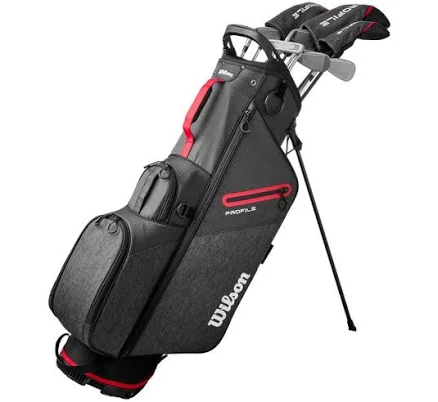
Wilson
Men's Profile Complete Golf Set
- Steel clubheads, graphite shafts, rubber grips
- We found no PFAS statement from the brand
- Graphite shaft resin degradation and fiber exposure
3 hazards checked on this product. See all of them.
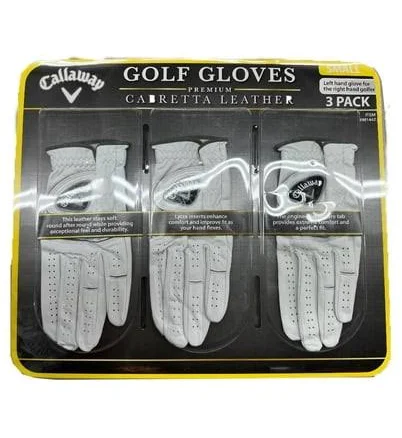
Callaway
Golf Gloves 3-Pack Premium Cabretta Leather
- Cabretta leather, likely tannin-tanned
- We found no PFAS statement from the brand
- Heavy metals
4 hazards checked on this product. See all of them.
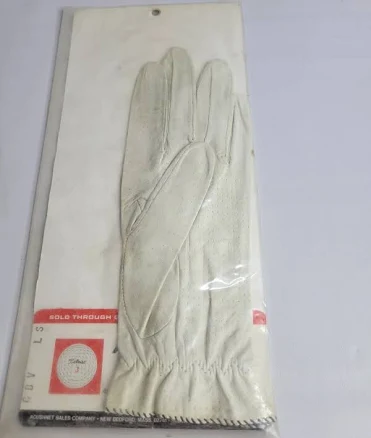
Acushnet
Ladies Small Acushnet Golf Glove White Lh
- leather or synthetic leather with cotton lining
- We found no PFAS statement from the brand
- Heavy metals
4 hazards checked on this product. See all of them.
Find an alternative on AmazonMore golf balls & equipment grades
How we score, every product runs through the same public 0-100 rubric based on materials, coatings, brand disclosure, lab findings, and recalls. See the full methodology → Spotted a mistake? Report an error.