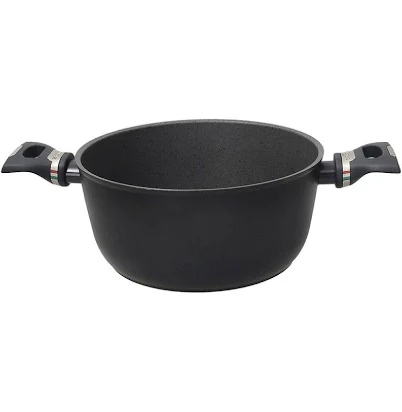
Tognana Italika Saucepan
Avoid until the manufacturer confirms its coating identity.
Tognana Italika saucepan has nonstick coating but the brand stays silent on its composition and PFAS status. Without material transparency, you cannot rule out PFAS risk.
The better-graded swap
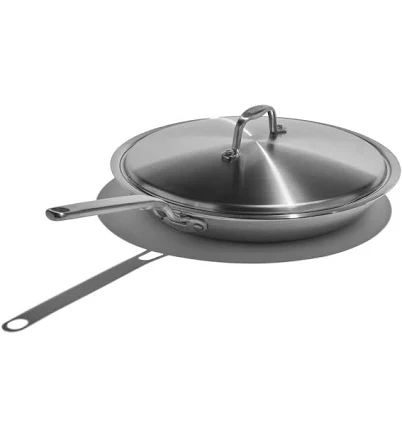
Heritage Steel
Heritage Steel Eater 12" Fry Pan with Lid
100/100 safety
Same rubric that flunked this product. The swap earned Excellent.
Still want this one anyway? Check the price on Amazon. We’d swap it.
Material
Nonstick coated saucepan, coating type unspecified
Brand disclosure
Brand is silent on PFAS
Lab data
No public lab test
Is Tognana Italika Saucepan non-toxic? What it is made of
The Tognana Italika is marketed as a nonstick saucepan, but the specific coating chemistry is not disclosed in publicly available product documentation. Nonstick cookware typically uses either Teflon-type coating (Teflon) based coatings, ceramic, or proprietary polymer blends. Without manufacturer confirmation of the coating type, the risk profile cannot be accurately assessed. This ambiguity is the primary safety concern for this product.
What’s concerning
Category baseline
The starting point for this type of product, before anything specific to this product is counted.
No PFAS disclosure
No public statement from the brand about PFAS in this product.
Non-stick, chemistry undisclosed
Marketed as non-stick without stating the coating chemistry.
Teflon-type coating fume risk (conditional on coating type)
If the unspecified nonstick coating is Teflon-type coating-based, overheating above 500F can release perfluorooctanoic acid and other volatile Teflon-family coating linked to polymer fume fever and respiratory irritation. Risk is avoidable with proper heat management, but manufacturer silence prevents pre-purchase risk assessment.
Coating degradation and metal leaching
Unknown base metal composition (likely aluminum or steel) and coating durability data mean that chipping or wear could expose underlying material. Aluminum cookware used at high pH or with acidic foods can leach aluminum; this risk cannot be quantified without full material disclosure.
Polymer coating microparticle release
If the nonstick surface is a proprietary acrylic or polyester-based polymer (not ceramic or Teflon-type coating), physical wear, scratching, or thermal cycling could shed microparticles into food. Without coating specification, this risk cannot be ruled out or mitigated.
Lack of transparency and traceability
The absence of coating identity, PFAS certification, or safety testing disclosure is itself a hazard signal. Reputable cookware brands now routinely confirm this information; silence suggests either outdated formulation or unwillingness to disclose potential PFAS content.
What’s reassuring
Lead
No public recalls or test data document lead or cadmium contamination in Tognana nonstick cookware. However, Italy's regulatory oversight differs from US FDA standards, and independent testing is not available for this specific model.
Source, ATSDR ↗The full breakdown
The brand's record and disclosure
Tognana is an Italian cookware manufacturer with a long history but limited public disclosure on coating chemistry and PFAS content in their product lines. No third-party certifications (such as Greenguard or specific Teflon-type coating-free claims) are evident in standard retail or safety databases for this model. The brand has not publicly committed to phasing out PFAS-based coatings or published testing data on this saucepan. This silence on a material safety issue is a red flag for informed purchasing.
How it compares in its category
Many modern nonstick cookware brands now specify coating type (ceramic, ceramic-reinforced, or Teflon-type coating alternatives) and some carry third-party safety certifications. Competitors like GreenPan and Our Place transparently market PFOA-free or Teflon-type coating-free options. The Tognana Italika lacks this transparency, placing it below the current standard for consumer disclosure in the nonstick cookware category. Budget and premium brands alike have moved toward clarity; Tognana's silence suggests outdated practice rather than assurance.
If you buy it
Before purchase, contact Tognana directly to confirm the coating type and whether it contains Teflon-type coating, PFOA, or other PFAS compounds. Use only at moderate heat (under 400F / 200C) until coating identity is verified, as overheating Teflon-type coating releases toxic fumes. Hand-wash rather than use dishwasher to minimize coating wear and potential chip-release of base metal. If the coating begins to peel, flake, or discolor, discontinue use immediately and replace with a product offering full coating transparency.
What we don’t know
- Basis
- Model estimate, 35% confidence, not a lab result
- Lab test
- None on record for this exact product
- Brand statement
- Tognana has made none
Formulations change between production runs, so check the current label. How we grade.
Better-graded alternatives in Cookware
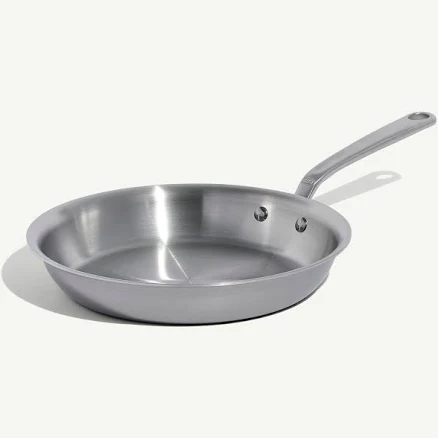
Made In
Stainless Clad Fry Pan
- Stainless steel clad construction, no nonstick coating
- The brand calls it PFAS-free, which we have not verified
- Clad separation or delamination over time
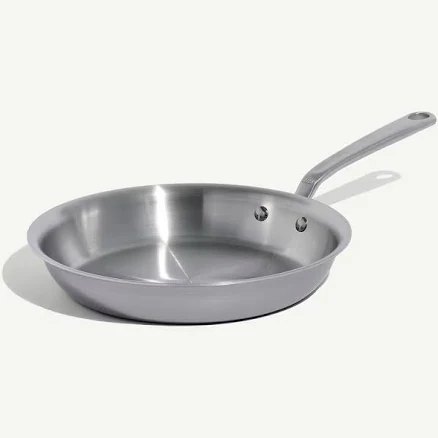
Made In
10' Stainless Clad Frying Pan
- stainless steel clad construction, no nonstick coating
- The brand calls it PFAS-free, which we have not verified
- Nickel leaching from stainless steel
3 hazards checked on this product. See all of them.
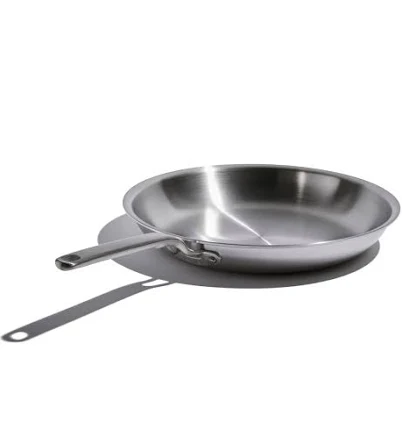
Heritage Steel
Eater Fry Pan
- Clad stainless steel, no coating
- The brand calls it PFAS-free, which we have not verified
- Metal ion release during cooking (iron, nickel, chromium)
More cookware grades
How we score, every product runs through the same public 0-100 rubric based on materials, coatings, brand disclosure, lab findings, and recalls. See the full methodology → Spotted a mistake? Report an error.