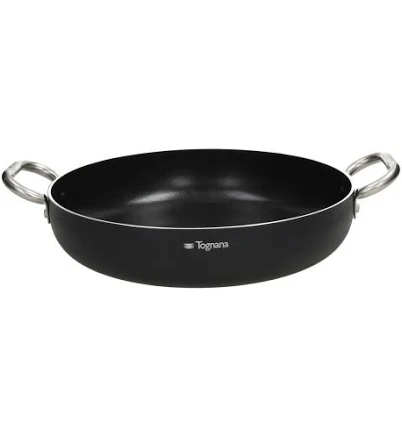
Tognana Professional Pro Diamond Double Handled Skillet
Avoid until the brand confirms its coating details.
Tognana discloses nothing about coating composition or PFAS status. Their nonstick cookware lacks transparency on Teflon-family coating use, making PFAS risk assessment impossible.
The better-graded swap
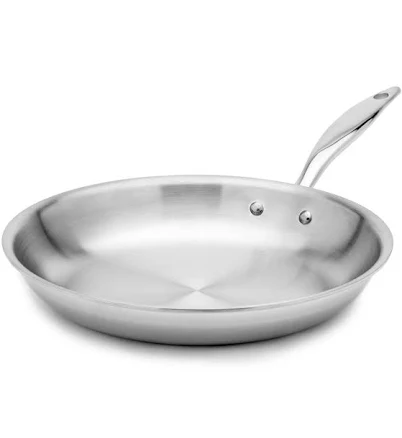
Heritage Steel
Heritage Steel Fry Pan
100/100 safety
Same rubric that flunked this product. The swap earned Excellent.
Still want this one anyway? Check the price on Amazon. We’d swap it.
Material
Nonstick coating, composition unspecified
Brand disclosure
Brand is silent on PFAS
Lab data
No public lab test
Is Tognana Professional Pro Diamond Double non-toxic? What it is made of
The Tognana Professional Pro Diamond skillet uses a nonstick coating of unspecified composition. The term 'diamond' typically refers to diamond-particle reinforcement in the coating layer, not the base material. Without confirmation from the manufacturer whether this coating contains Teflon-type coating (Teflon) or a newer alternative like ceramic or silicon-based compounds, you cannot assess fluorine-related chemical exposure. The cookware base is assumed to be aluminum or steel; aluminum itself poses leaching risk under acidic conditions if the nonstick barrier degrades.
What’s concerning
Category baseline
The starting point for this type of product, before anything specific to this product is counted.
No PFAS disclosure
No public statement from the brand about PFAS in this product.
Non-stick, chemistry undisclosed
Marketed as non-stick without stating the coating chemistry.
Teflon-type coating fume inhalation risk
Unspecified nonstick coating raises concern that traditional Teflon-type coating is present. Overheating Teflon-type coating-based coatings above 500F releases fluorinated gases linked to polymer fume fever. No evidence this model has failed; risk depends on user discipline and actual coating composition.
Aluminum leaching via acidic foods
If base material is aluminum and the nonstick coating degrades over time or peels, aluminum can leach into acidic foods (tomato sauce, vinegar, citrus). Tognana has not published data on coating durability or barrier integrity under standard use.
Coating degradation and particle shedding
Diamond-reinforced coatings are marketed as durable but no published independent testing confirms longevity for this specific model. Thin or poorly applied nonstick layers shed micro-particles into food when damaged, creating microplastic ingestion risk.
What’s reassuring
Lead
No recalls or safety alerts have been issued for Tognana cookware regarding heavy metal contamination in exterior enamel or handle coating. Italian cookware typically meets EU heavy metal standards, though this is not guaranteed without third-party testing data.
Source, ATSDR ↗Thermal stability of handle/grip materials
Double handles suggest a plastic or silicone grip. No specific information available on the material safety or thermal limits of handle assembly for this model; verify before purchase that handles do not off-gas or soften at intended cooking temperatures.
The full breakdown
The brand's record and disclosure
Tognana is an Italian cookware manufacturer with established distribution but minimal public transparency regarding nonstick coating chemistry or PFAS policy. No major product recalls related to this skillet model appear in public records. The brand has not published statements on PFAS phase-out timelines or alternatives to PFAS in nonstick coatings, which is a significant gap given industry-wide scrutiny of nonstick coatings. Contacting the manufacturer directly for coating specification is the only way to move forward with confidence.
How it compares in its category
Most mainstream nonstick skillets in this price tier still use Teflon-type coating-based coatings, making Tognana typical rather than exceptional. Premium brands (All-Clad, Caraway, GreenPan) increasingly offer PFAS-free or transparent coating formulations. Budget alternatives often have thinner coatings that degrade faster and shed particles. Tognana positions itself as mid-range professional-grade, but the lack of coating transparency is a weakness against competitors who openly market their nonstick chemistry.
If you buy it
Do not preheat empty; always use oil or food to protect the nonstick surface. Keep heat below medium-high (below 500F) to minimize fume risk and coating degradation. Hand-wash only; dishwasher exposure accelerates coating breakdown and potential leaching. Inspect the coating annually for peeling, dark spots, or sticking patches, which signal replacement need. Request a detailed material safety data sheet (MSDS) from the retailer or manufacturer before purchase to confirm nonstick chemistry.
What we don’t know
- Basis
- Model estimate, 35% confidence, not a lab result
- Lab test
- None on record for this exact product
- Brand statement
- Tognana has made none
Formulations change between production runs, so check the current label. How we grade.
Better-graded alternatives in Cookware
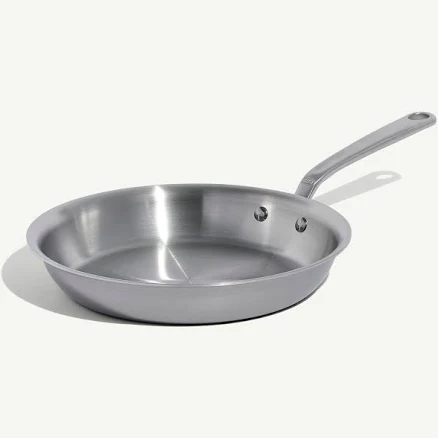
Made In
Stainless Clad Fry Pan
- Stainless steel clad construction, no nonstick coating
- The brand calls it PFAS-free, which we have not verified
- Clad separation or delamination over time
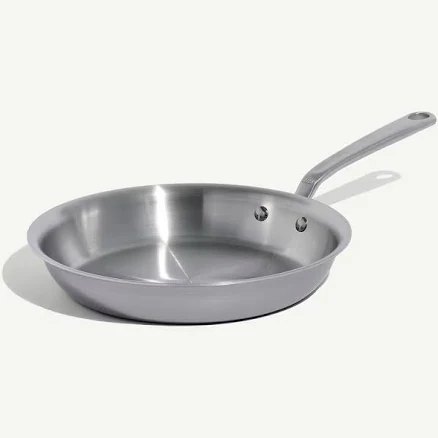
Made In
10' Stainless Clad Frying Pan
- stainless steel clad construction, no nonstick coating
- The brand calls it PFAS-free, which we have not verified
- Nickel leaching from stainless steel
3 hazards checked on this product. See all of them.
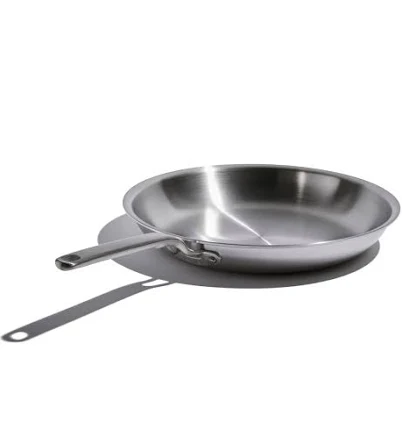
Heritage Steel
Eater Fry Pan
- Clad stainless steel, no coating
- The brand calls it PFAS-free, which we have not verified
- Metal ion release during cooking (iron, nickel, chromium)
More cookware grades
How we score, every product runs through the same public 0-100 rubric based on materials, coatings, brand disclosure, lab findings, and recalls. See the full methodology → Spotted a mistake? Report an error.