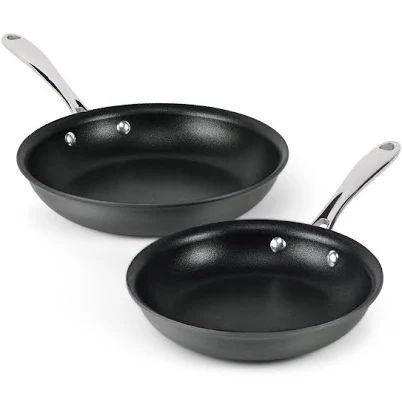
Tramontina Gourmet 2 Pack 8" and 10" Hard Anodized Aluminum Nonstick Fry Pan Set
Skip until coating type disclosed. Unknown nonstick raises PFAS concern.
Tramontina does not disclose the nonstick coating chemistry on this set. Hard anodized aluminum cookware with unspecified nonstick coating carries moderate PFAS risk without transparency.
The better-graded swap
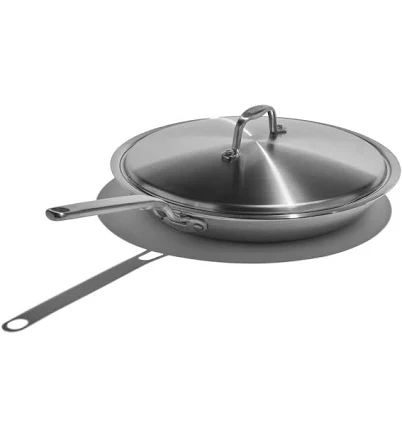
Heritage Steel
Heritage Steel Eater 12" Fry Pan with Lid
100/100 safety
Same rubric that flunked this product. The swap earned Excellent.
Still want this one anyway? Check the price on Amazon. We’d swap it.
Material
Hard anodized aluminum with nonstick coating, unspecified type
Lab data
No public lab test
Is Tramontina Gourmet 2 Pack 8" and 10" Hard non-toxic? What it is made of
This pan uses hard anodized aluminum, a durable electrochemical process that creates a protective oxide layer on the aluminum surface, making it harder than stainless steel and preventing direct aluminum contact with food. The nonstick coating type is not specified by Tramontina in available product documentation, which is the critical gap, nonstick formulations range from Teflon-type coating-based (PFOA-free variants still possible but unconfirmed) to ceramic or silicone alternatives. Hard anodizing itself has no hazard of this kind on record when intact, but the coating's composition and thermal stability are unknown.
What’s concerning
Category baseline
The starting point for this type of product, before anything specific to this product is counted.
No PFAS disclosure
No public statement from the brand about PFAS in this product.
Non-stick, chemistry undisclosed
Marketed as non-stick without stating the coating chemistry.
Nonstick coating thermal degradation and potential off-gassing
The unspecified nonstick coating type raises uncertainty about thermal stability. If a standard Teflon-type coating formulation, heating above manufacturer limits risks polymer degradation and potential fume inhalation; ceramic or silicone alternatives have lower degradation risk but are not confirmed here.
Aluminum leaching from coating damage
Hard anodized surface protects against leaching when intact, but scratches or peeling of the nonstick layer expose aluminum to acidic foods (tomatoes, citrus, vinegar). At the pH and temperatures of normal cooking, migration of trace aluminum is minimal but can increase with coat damage.
Coating degradation and microparticulate shedding
All nonstick coatings wear with use and heat cycling. Visible flaking or peeling indicates the coating is failing; continued cooking risks ingestion of microscopic nonstick particles, though acute harm from isolated exposure is not documented.
What’s reassuring
Lead
Hard anodized aluminum cookware sold in the US is not associated with lead or cadmium contamination in the anodized layer itself. No recalls or safety warnings specific to Tramontina hard anodized pans for these metals are on record.
Source, ATSDR ↗The full breakdown
The brand's record and disclosure
Tramontina, a Brazilian cookware manufacturer owned by Grupo SEB, does not publicly disclose nonstick coating chemistry or PFAS-free certification on this product line. The brand has no known recalls specific to PFAS or coating safety issues in the US market, but transparency about coating composition is absent from their marketing and technical specs. This silence is notable given that competitors increasingly advertise PFOA-free or ceramic alternatives; Tramontina's lack of specification suggests either a standard Teflon-type coating formulation or intentional vagueness.
How it compares in its category
Hard anodized aluminum nonstick pans are mid-tier in the cookware market, priced below premium brands like All-Clad but positioned above budget non-stick. Many competitors in this price range (T-fal, Circulon, Calphalon) now explicitly state Teflon-type coating-free or ceramic coatings; Tramontina's refusal to specify is a competitive disadvantage. The hard anodized base itself is durable and comparable to branded alternatives, but the coating remains the uncertainty.
If you buy it
Never exceed medium-high heat; nonstick coatings degrade irreversibly above 400-500°F and may off-gas if overheated. Hand wash only; avoid metal utensils, stacking, and abrasive scrubbing that will accelerate coating wear. Inspect the coating quarterly for scratches, peeling, or discoloration; replace the pan if coating degradation is visible, as continued use exposes the underlying aluminum. Store with cloth separators between pans to minimize friction damage.
What we don’t know
- Basis
- Model estimate, 45% confidence, not a lab result
- Lab test
- None on record for this exact product
- Brand statement
- Tramontina has made a specific claim
Formulations change between production runs, so check the current label. How we grade.
Better-graded alternatives in Cookware
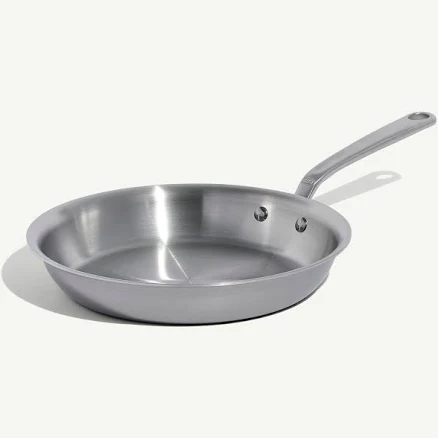
Made In
Stainless Clad Fry Pan
- Stainless steel clad construction, no nonstick coating
- The brand calls it PFAS-free, which we have not verified
- Clad separation or delamination over time
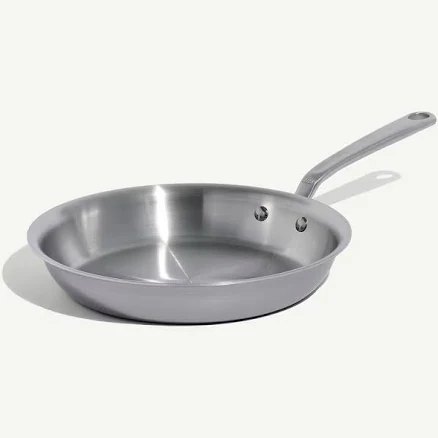
Made In
10' Stainless Clad Frying Pan
- stainless steel clad construction, no nonstick coating
- The brand calls it PFAS-free, which we have not verified
- Nickel leaching from stainless steel
3 hazards checked on this product. See all of them.
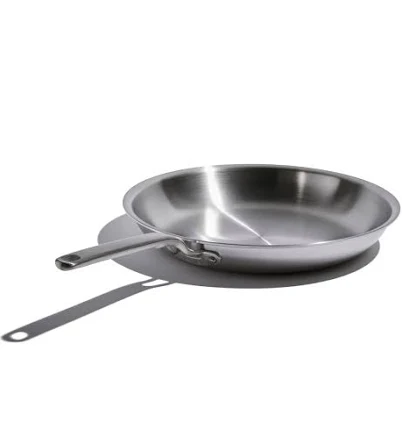
Heritage Steel
Eater Fry Pan
- Clad stainless steel, no coating
- The brand calls it PFAS-free, which we have not verified
- Metal ion release during cooking (iron, nickel, chromium)
More cookware grades
How we score, every product runs through the same public 0-100 rubric based on materials, coatings, brand disclosure, lab findings, and recalls. See the full methodology → Spotted a mistake? Report an error.