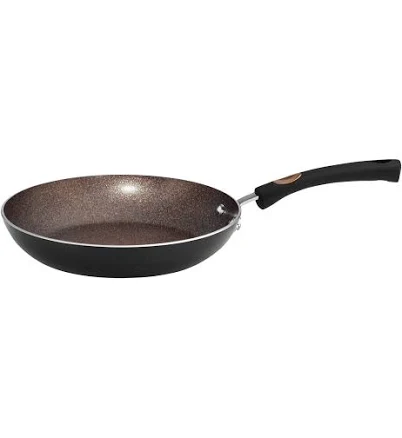
Tramontina Pots & Pans Fry Pan
Nonstick coating type unconfirmed; PFAS risk unclear without specifics.
Tramontina does not publicly disclose the nonstick coating chemistry. Standard nonstick cookware often contains PFAS, but this brand's formulation is undocumented.
The better-graded swap
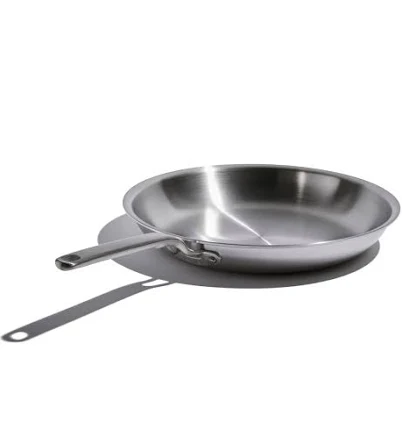
Heritage Steel
Heritage Steel Eater Fry Pan
100/100 safety
Same rubric that flunked this product. The swap earned Excellent.
Still want this one anyway? Check the price on Amazon. We’d swap it.
Material
Nonstick coating, unspecified type
Lab data
No public lab test
Is Tramontina Pots & Pans Fry Pan non-toxic? What it is made of
Tramontina fry pans use a nonstick coating, but the brand does not publicly disclose whether it is Teflon-type coating-based (traditional Teflon-type) or a newer fluorine-free alternative. The substrate is typically aluminum with a stainless steel or painted steel handle. Without coating chemistry transparency, you cannot rule out Teflon-type coating or assess PFAS risk. If Teflon-type coating, overheating above 500F (260C) can release toxic fumes; fluorine-free coatings carry different degradation risks.
What’s concerning
Category baseline
The starting point for this type of product, before anything specific to this product is counted.
No PFAS disclosure
No public statement from the brand about PFAS in this product.
Non-stick, chemistry undisclosed
Marketed as non-stick without stating the coating chemistry.
Teflon-type coating fume risk (unconfirmed coating type)
If coating is Teflon-type coating-based, overheating above 500F can release polymer fume inhalation hazard. No public disclosure by Tramontina of coating chemistry means this risk cannot be ruled out. Responsible use (avoiding high heat, never preheating empty) mitigates exposure.
Coating degradation and microparticle release
Nonstick cookware coatings naturally wear over time; scratched or peeling coatings may shed particles into food. Tramontina pans are budget-tier and reports from users indicate shorter coating lifespan (1-2 years) than premium brands. Proper care (hand wash, avoid metal utensils) extends life but does not prevent eventual degradation.
Aluminum leaching
If coating is damaged or very thin, bare aluminum substrate may contact acidic foods (tomato, vinegar, citrus) and leach small amounts of aluminum. Risk is low with intact coating but increases as coating wears. Occasional exposure is not established as harmful, but chronic exposure concern exists for some populations.
PFAS
PFAS (PFAS "forever chemicals") are common in traditional Teflon-type coating nonstick coatings. Tramontina's silence on fluorine-free alternatives means PFAS presence cannot be ruled out. PFAS graded separately per your framework (15/100 safety), but lack of brand transparency is a material concern.
Source, ATSDR ↗What’s reassuring
Lead
No public recall or test data associates Tramontina fry pans with lead or cadmium in handles or enamel. Modern manufacturing in compliance regions typically excludes these, but Tramontina does not independently certify handles or decorative coatings. Risk is low but unverified.
Source, ATSDR ↗The full breakdown
The brand's record and disclosure
Tramontina (owned by Groupe SEB, a major cookware manufacturer) does not publicly commit to PFAS-free nonstick or disclose coating composition on product labels or websites reviewed in public records. The brand has no known major recalls tied to nonstick coating toxicity, but silence on material choice is itself a red flag for consumer transparency. Groupe SEB brands vary in disclosure; Tramontina's stance remains opaque on this category.
How it compares in its category
Budget nonstick fry pans from Tramontina are priced competitively but offer less transparency than premium brands (All-Clad, Caraway, GreenPan) that explicitly market PFAS-free or Teflon-type coating-free coatings. Mid-tier cast iron or stainless steel alternatives eliminate nonstick chemistry risk entirely but require seasoning or more oil. For nonstick convenience at low cost, Tramontina sits in the ambiguous middle, cheaper than certified alternatives, but coating identity unknown.
If you buy it
Never heat empty or exceed 400F (204C) to minimize fume risk if coating is Teflon-type coating. Hand wash gently; dishwasher can accelerate coating wear. Replace when coating noticeably flakes, peels, or loses nonstick performance (typically 1-3 years). Avoid metal utensils and scouring pads. Store stacked with paper or cloth between pans to prevent scratching. If you have concerns about PFAS exposure, contact Tramontina support to request coating type; if unsatisfied, return and choose a brand with explicit PFAS-free certification.
What we don’t know
- Basis
- Model estimate, 35% confidence, not a lab result
- Lab test
- None on record for this exact product
- Brand statement
- Tramontina has made a specific claim
Formulations change between production runs, so check the current label. How we grade.
Better-graded alternatives in Cookware
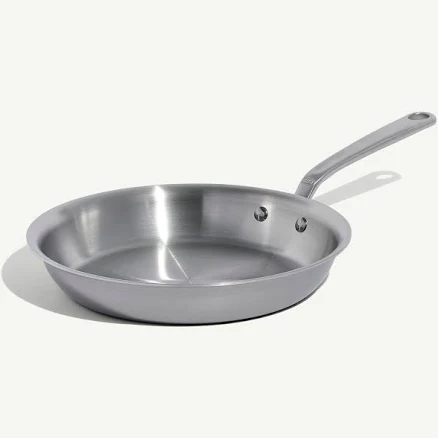
Made In
Stainless Clad Fry Pan
- Stainless steel clad construction, no nonstick coating
- The brand calls it PFAS-free, which we have not verified
- Clad separation or delamination over time
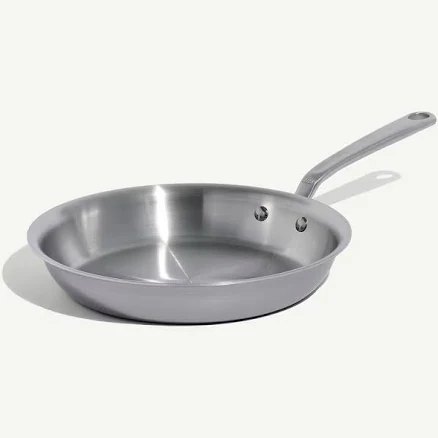
Made In
10' Stainless Clad Frying Pan
- stainless steel clad construction, no nonstick coating
- The brand calls it PFAS-free, which we have not verified
- Nickel leaching from stainless steel
3 hazards checked on this product. See all of them.
Heritage Steel
Eater Fry Pan
- Clad stainless steel, no coating
- The brand calls it PFAS-free, which we have not verified
- Metal ion release during cooking (iron, nickel, chromium)
More cookware grades
How we score, every product runs through the same public 0-100 rubric based on materials, coatings, brand disclosure, lab findings, and recalls. See the full methodology → Spotted a mistake? Report an error.