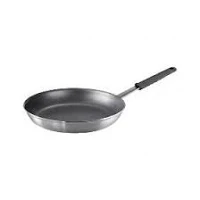
Tramontina Professional Fusion Fry Pan
Nonstick coating unspecified, brand silent on PFAS risk.
Tramontina does not disclose the nonstick coating formulation or PFAS status. Most nonstick cookware uses Teflon-family coating; unverified claims limit confidence in safety.
The better-graded swap
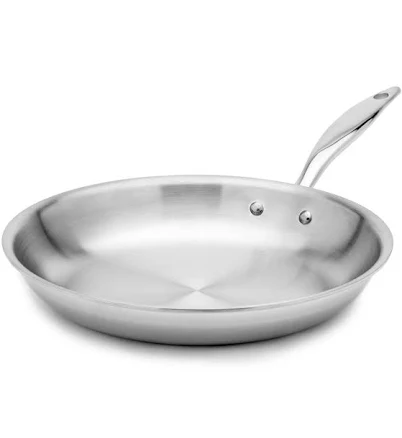
Heritage Steel
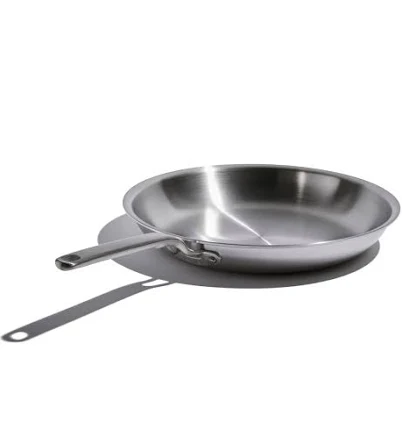
Heritage Steel Fry Pan
100/100 safety
Same rubric that flunked this product. The swap earned Excellent.
Still want this one anyway? Check the price on Amazon. We’d swap it.
Material
Nonstick coating, composition unspecified
Lab data
No public lab test
Is Tramontina Professional Fusion Fry Pan non-toxic? What it is made of
Tramontina Professional Fusion pans use a proprietary nonstick coating applied to an aluminum base, but the brand does not publicly disclose the specific chemistry (Teflon-type coating-based, ceramic, or alternative). Without transparency on coating composition, you cannot verify whether Teflon-type coating, GenX, or other fluorinated compounds are present. The aluminum substrate itself is not a primary hazard at normal cooking temperatures, but coating integrity is critical to prevent migration into food.
What’s concerning
Category baseline
The starting point for this type of product, before anything specific to this product is counted.
No PFAS disclosure
No public statement from the brand about PFAS in this product.
Non-stick, chemistry undisclosed
Marketed as non-stick without stating the coating chemistry.
Teflon-type coating fume risk (if Teflon-type coating-based coating)
Tramontina does not specify coating type. If the Fusion line uses Teflon-type coating, overheating above 400°F can release fumes causing polymer fume fever in humans and acute toxicity in pet birds. This is a known hazard of conventional nonstick cookware, but cannot be ruled in or out without manufacturer transparency.
Coating degradation and peeling
Mid-range nonstick coatings typically show wear within 2-3 years of regular use, especially with improper care (dishwasher, metal utensils, high heat). Flaking particles ingested pose a low acute risk but indicate loss of nonstick performance and potential loss of barrier between aluminum and food.
Aluminum leaching
When the nonstick coating degrades or scratches, the underlying aluminum core can contact acidic foods (tomato sauce, lemon, wine). Studies show leaching is minimal at normal cooking pH, but risk increases with coating damage over time.
Undisclosed fluorinated alternatives (GenX, PFOA replacements)
Even if Tramontina moved away from legacy Teflon-type coating, many manufacturers now use alternative fluorochemicals (GenX, ADONA) that carry similar environmental and bioaccumulation concerns. Lack of transparency prevents assessment of whether this product uses such replacements.
What’s reassuring
Lead
No recalls or test reports on file for Tramontina cookware handles or hardware. Stainless steel or aluminum fittings are standard in this category and not a typical concern, but no independent certification confirms absence of heavy metals in non-cooking surfaces.
Source, ATSDR ↗The full breakdown
The brand's record and disclosure
Tramontina is a Brazilian cookware manufacturer owned by Grupo SEB and does not publish formal PFAS policies or third-party certifications (such as GOTS or GreenGuard) for nonstick cookware lines. The brand has not issued voluntary recalls or warnings specific to PFAS in the Fusion line. This silence reflects a general industry pattern among mid-range manufacturers, but creates uncertainty for informed purchasing.
How it compares in its category
Tramontina Fusion sits in the mid-market segment between budget nonstick and premium brands like All-Clad or Le Creuset. Compared to ceramic or cast-iron alternatives, any fluorinated nonstick carries greater PFAS exposure risk; compared to other Teflon-type coating-coated cookware at this price point, Tramontina offers no material advantage in hazard reduction. GreenPan, Our Place, and Caraway have made stronger public commitments to PFAS avoidance, though independent verification is limited.
If you buy it
Keep heat below medium-high (nonstick coatings degrade rapidly above 400-500°F, releasing fumes); replace within 3-5 years if visible scratches, peeling, or sticking develops. Hand wash only; dishwasher use accelerates coating breakdown. Do not preheat empty. If coating shows damage, discontinue use immediately. Store in a dry place to prevent premature oxidation of aluminum edges.
What we don’t know
- Basis
- Model estimate, 35% confidence, not a lab result
- Lab test
- None on record for this exact product
- Brand statement
- Tramontina has made a specific claim
Formulations change between production runs, so check the current label. How we grade.
Better-graded alternatives in Cookware
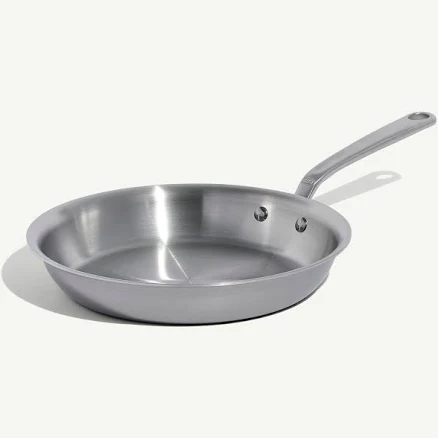
Made In
Stainless Clad Fry Pan
- Stainless steel clad construction, no nonstick coating
- The brand calls it PFAS-free, which we have not verified
- Clad separation or delamination over time
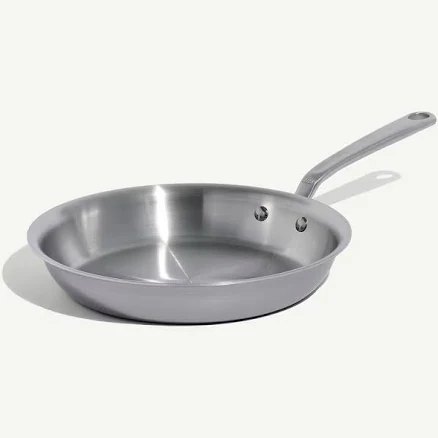
Made In
10' Stainless Clad Frying Pan
- stainless steel clad construction, no nonstick coating
- The brand calls it PFAS-free, which we have not verified
- Nickel leaching from stainless steel
3 hazards checked on this product. See all of them.
Heritage Steel
Eater Fry Pan
- Clad stainless steel, no coating
- The brand calls it PFAS-free, which we have not verified
- Metal ion release during cooking (iron, nickel, chromium)
More cookware grades
How we score, every product runs through the same public 0-100 rubric based on materials, coatings, brand disclosure, lab findings, and recalls. See the full methodology → Spotted a mistake? Report an error.