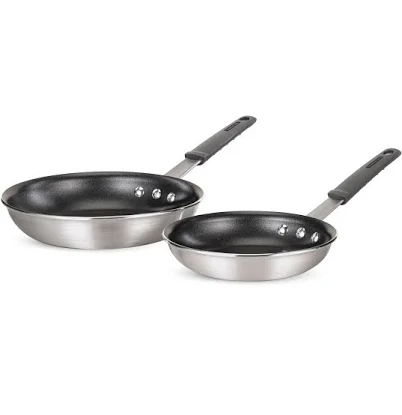
Tramontina Proline 2 Pk 8" and 10" Nonstick Fry Pan Set
Skip until coating type confirmed; nonstick history suggests PFAS risk.
Tramontina does not disclose the nonstick coating chemistry. Nonstick cookware traditionally relies on Teflon-family coating like Teflon-type coating, though some newer brands use alternatives. Verification needed before purchase.
The better-graded swap
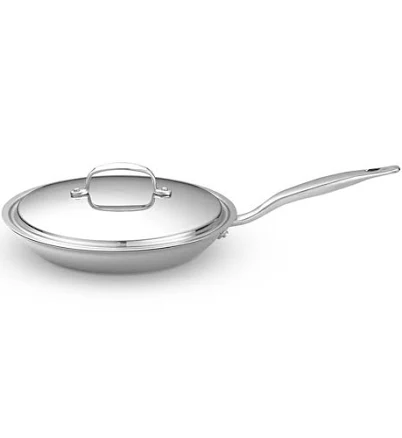
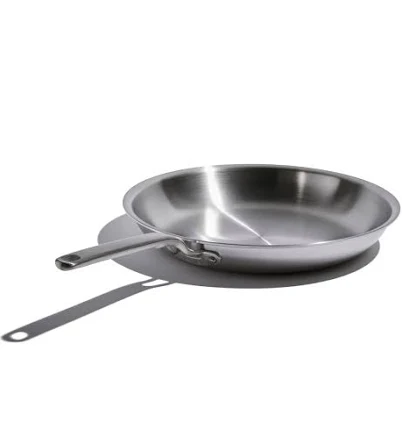
Heritage Steel
Heritage Steel 10.5" Fry Pan with Lid
100/100 safety
Same rubric that flunked this product. The swap earned Excellent.
Still want this one anyway? Check the price on Amazon. We’d swap it.
Material
Nonstick coating, type unspecified
Lab data
No public lab test
Is Tramontina Proline 2 Pk 8" and 10" non-toxic? What it is made of
Tramontina Proline fry pans use a nonstick coating of unspecified chemical composition. The brand does not publicly disclose whether the coating is Teflon-type coating (Teflon-type), ceramic, or a proprietary blend. This opacity is the primary safety concern, Teflon-type coating coatings can release fumes at temperatures above 500°F (260°C), while ceramic coatings carry different degradation and leaching risks. Without transparency, you cannot assess the actual chemical hazard profile.
What’s concerning
Category baseline
The starting point for this type of product, before anything specific to this product is counted.
No PFAS disclosure
No public statement from the brand about PFAS in this product.
Non-stick, chemistry undisclosed
Marketed as non-stick without stating the coating chemistry.
Teflon-type coating fume release (if coating is Teflon-type coating-based)
Tramontina does not confirm coating type. If Teflon-type coating, overheating above 500°F (260°C) can release polymer fume inhalation hazard (Teflon-type coating fume fever). Standard nonstick cookware from this brand category historically uses Teflon-type coating, making this plausible but unconfirmed.
Coating degradation and flaking
Budget nonstick cookware, including Tramontina lines, commonly develops surface wear, chipping, or peeling within 1-3 years of use. Once coating integrity is compromised, ingestion of coating fragments becomes possible and the risk of harm from that exposure increases.
Aluminum leaching from substrate
Tramontina Proline pans are aluminum-based (typical for nonstick cookware). If the nonstick coating degrades or is damaged, direct contact between food and aluminum is possible, which can leach small amounts of aluminum into acidic or salty foods. Risk increases if coating fails.
Handle durability and corrosion
Customer reports indicate that Tramontina budget cookware handles (likely stainless steel rivets or plastic) corrode or deteriorate prematurely, especially if hand-washed frequently. This does not pose a direct food-safety hazard but compromises durability and potential handling concerns.
Lack of material transparency
Absence of published ingredient lists, coating certifications, or PFAS statements means you cannot independently verify what chemicals are in the nonstick layer. This limits your ability to assess personal risk tolerance, especially for individuals sensitive to specific chemicals or concerned about PFAS exposure.
The full breakdown
The brand's record and disclosure
Tramontina is a Brazilian cookware manufacturer owned by Groupe SEB (French parent). The company has not published ingredient disclosures, PFAS commitments, or independent certifications (e.g., NSF, GOTS) for its nonstick cookware lines. No recalls specific to Teflon-type coating fumes or coating degradation have been identified for Proline, but the absence of transparency on coating chemistry means you are purchasing without full ingredient knowledge. Brand statements on 'forever chemical' reduction are not on record.
How it compares in its category
Mid-market nonstick fry pans in this price range typically use Teflon-type coating or Teflon-type coating-free ceramic coatings. Tramontina Proline lacks the certification transparency of brands like OXO (full ingredient lists) or ceramic specialists (GreenPan, Our Place) but is more affordable. It sits in a gray zone, cheaper than premium brands but without the disclosure standards that justify that savings. Comparable products from Cuisinart or T-fal usually provide clearer material documentation.
If you buy it
Never heat empty; always preheat with oil or food to reduce risk of coating degradation and potential fume release. Keep stovetop temperature below medium-high (do not exceed 400°F / 204°C unless the manual explicitly allows higher). Hand-wash gently; metal utensils and abrasive scrubbing will degrade the coating faster. Replace immediately if coating shows chipping, peeling, or visible flaking. Store in a dry location to prevent handle corrosion (common in budget nonstick cookware).
What we don’t know
- Basis
- Model estimate, 35% confidence, not a lab result
- Lab test
- None on record for this exact product
- Brand statement
- Tramontina has made a specific claim
Formulations change between production runs, so check the current label. How we grade.
Better-graded alternatives in Cookware
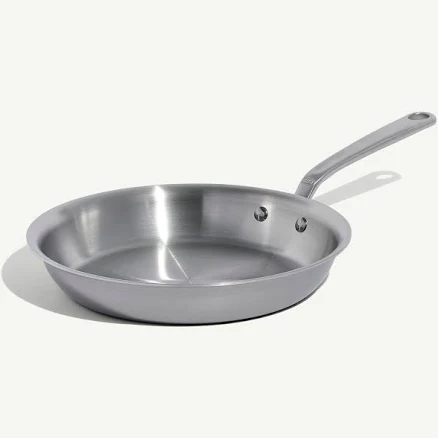
Made In
Stainless Clad Fry Pan
- Stainless steel clad construction, no nonstick coating
- The brand calls it PFAS-free, which we have not verified
- Clad separation or delamination over time
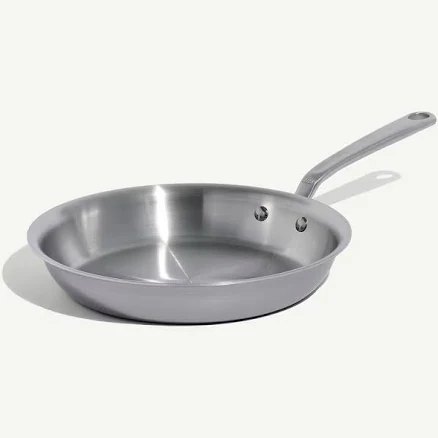
Made In
10' Stainless Clad Frying Pan
- stainless steel clad construction, no nonstick coating
- The brand calls it PFAS-free, which we have not verified
- Nickel leaching from stainless steel
3 hazards checked on this product. See all of them.
Heritage Steel
Eater Fry Pan
- Clad stainless steel, no coating
- The brand calls it PFAS-free, which we have not verified
- Metal ion release during cooking (iron, nickel, chromium)
More cookware grades
How we score, every product runs through the same public 0-100 rubric based on materials, coatings, brand disclosure, lab findings, and recalls. See the full methodology → Spotted a mistake? Report an error.