mountainFLOW · Ski & Sports Wax
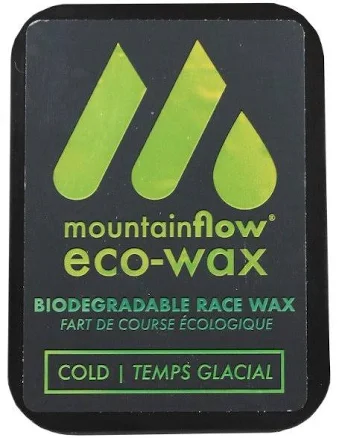
mountainFLOW Race Wax
Ski wax typically contains paraffin or similar hydrocarbons, lower concern.
This hydrocarbon ski wax has no known PFAS risk. Brand discloses no PFAS information, but material type suggests lower fluorochemical concern.
We flunk more products than we pass. This one earned its grade. How we grade
Material
hydrocarbon ski wax
Brand disclosure
Brand is silent on PFAS
Lab data
No public lab test
You may also be interested in
Top-graded picks in the categories readers replace first, every one scored on the same rubric.

- polypropylene filter housing, carbon/sediment cartridge
- We found no PFAS statement from the brand
- Bacterial growth in spent cartridges
3 hazards checked on this product, all on its full breakdown.

Aquasure
Premier Series 75 GPD Under Sink Reverse Osmosis Water Filtration System
- RO membrane, carbon filters, stainless steel housing
- We found no PFAS statement from the brand
- Bacterial and microbial growth in housing and filters
4 hazards checked on this product, all on its full breakdown.

Avocado
Vegan Mattress
- organic cotton, natural latex, coconut coir, recycled steel coils
- The brand calls it PFAS-free, which we have not verified
- Heavy metals
2 hazards checked on this product, all on its full breakdown.
What mountainFLOW Race Wax is made of, ingredients and materials
mountainFLOW Race Wax is a hydrocarbon-based ski wax, likely a blend of paraffin, microcrystalline wax, and polymers designed for speed and temperature-specific glide. These materials are stable under normal ski use and do not volatilize or leach into skin during brief contact. Unlike some specialty coatings, hydrocarbon waxes have no known toxic breakdown products when applied to skis at room temperature or modest friction heat.
What’s concerning
Category baseline
The starting point for this type of product, before anything specific to this product is counted.
No PFAS disclosure
No public statement from the brand about PFAS in this product.
Hydrocarbon inhalation during hot application
Warming paraffin wax to apply with an iron may release low levels of aliphatic hydrocarbon vapors. Risk is minimal in well-ventilated spaces but should be avoided in enclosed areas, especially during repeated use.
Polymer additives and proprietary blend opaqueness
Ski waxes often contain proprietary polymers and performance additives not disclosed on packaging. Without an MSDS or ingredient list, specific polymer types (e.g., potential endocrine disruptors) cannot be ruled out, though hydrocarbon-based blends are not known to contain problematic classes in this category.
What’s reassuring
Base material not linked to PFAS
The main material recorded for this product is not one associated with PFAS.
Skin contact and ingestion via hand-to-mouth
Paraffin and microcrystalline waxes are non-toxic in small amounts; wax-based products are used in food-grade applications. Ingestion of ski wax residue is not an established health concern, though best practice is to wash hands after application.
Heavy metals
No evidence that hydrocarbon ski waxes leach or mobilize heavy metals during normal iron-application use. The wax itself is not a source of lead, cadmium, or antimony.
Source, FDA ↗Microplastics
Ski wax is not designed to shed microparticles into water; it remains bound to the ski base. No established concern for microplastic release from hydrocarbon ski waxes during normal use.
Source, EPA ↗How is this PFAS grade calculated?
The brand's record and disclosure
Waxel (mountainFLOW parent company) maintains minimal public safety transparency typical of niche ski wax manufacturers; no MSDS, ingredient list, or third-party certifications are readily available. The brand has no documented recalls or safety controversies in public records. Industry-wide, ski wax producers rarely disclose full formulations due to proprietary blends, and regulatory oversight of ski wax is light compared to food-contact or cosmetic products.
How it compares in its category
Hydrocarbon waxes like this are the dominant category and are considered lower-risk than fluorinated waxes (which may contain PFOA/PFAS) or iron-oxide-based hardwaxes. mountainFLOW Race positions itself as speed-focused without fluorine; this aligns with lower concern market positioning. Competitor brands (Swix, Toko, Rex) offer similar paraffin blends with equally sparse disclosure, making mountainFLOW typical rather than distinguished or problematic.
If you buy it
Apply with a warm iron (low heat, under 160C/320F) to avoid scorching skis or releasing any volatiles; ventilate during application. Wash hands after use to avoid ingestion of wax residue, though acute toxicity from incidental contact is very low. Store in a cool, dry place away from direct heat. Replace when the wax layer visibly degrades or no longer beads water on the ski base.
What is not known about PFAS in this product?
- Basis
- Model estimate, 72% confidence, not a lab result
- Lab test
- None on record for this exact product
- Brand statement
- mountainFLOW has made none
Formulations change between production runs, so check the current label. How we grade.
What are the PFAS-free alternatives to mountainFLOW Race Wax?
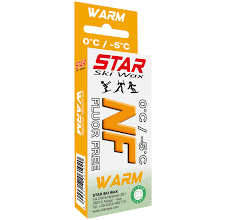
- hydrocarbon ski wax (non-fluorinated)
- The brand calls it PFAS-free, which we have not verified
- Volatile Organic Compounds (VOCs) and mineral oil vapor
3 hazards checked on this product, all on its full breakdown.
- hydrocarbon wax blend
- The brand calls it PFAS-free, which we have not verified
- Thermal degradation and fume emission
3 hazards checked on this product, all on its full breakdown.
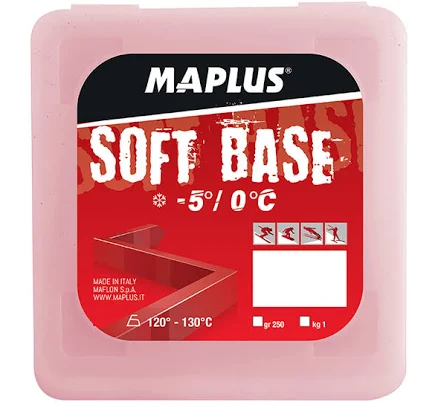
- Wax-based ski base, fluorine-free formulation
- The brand calls it PFAS-free, which we have not verified
- Inhalation of wax particulates and volatiles during application
More ski & sports wax grades
How we score, every product runs through the same public 0-100 rubric based on materials, coatings, brand disclosure, lab findings, and recalls. See the full methodology → Spotted a mistake? Report an error.